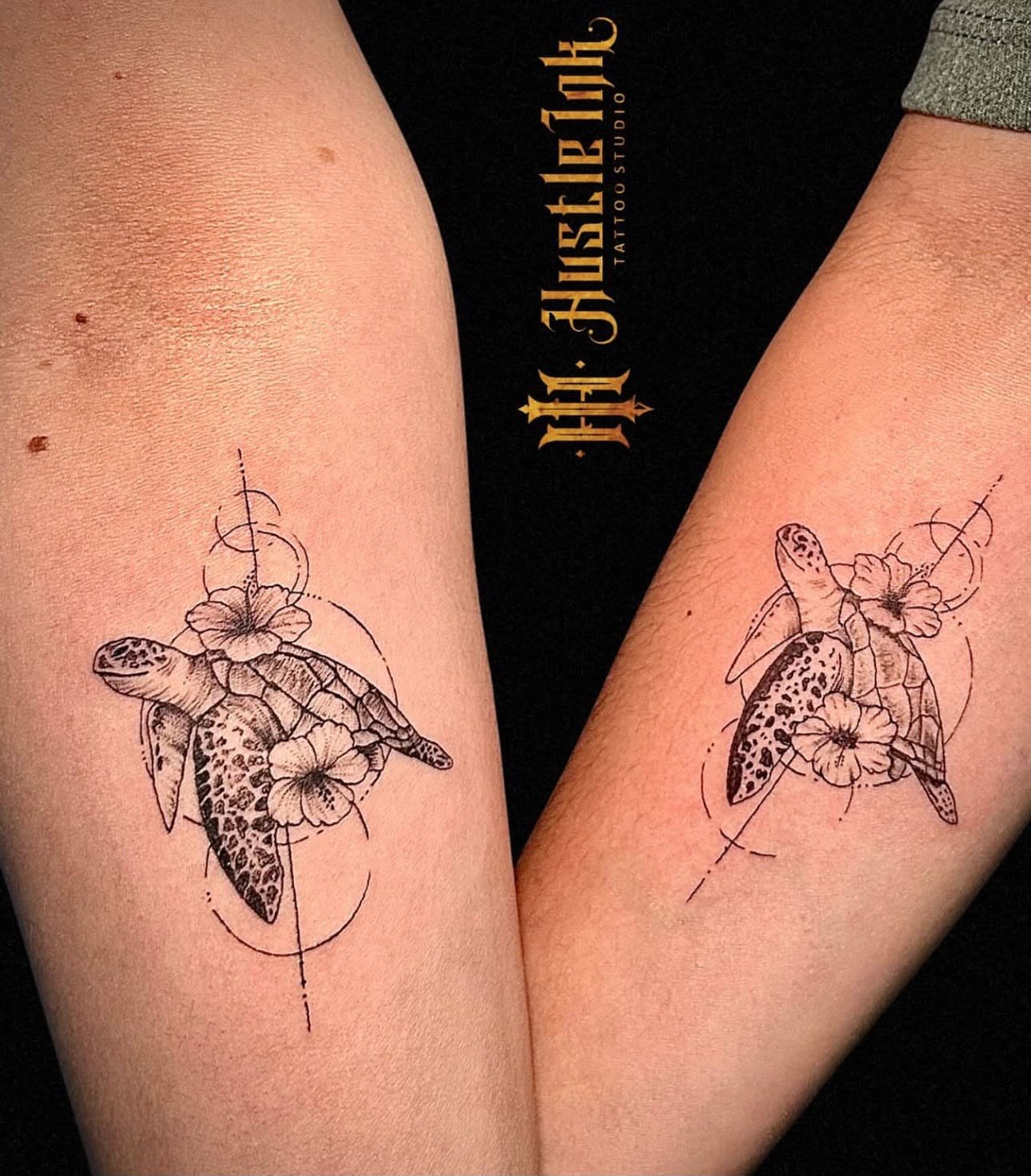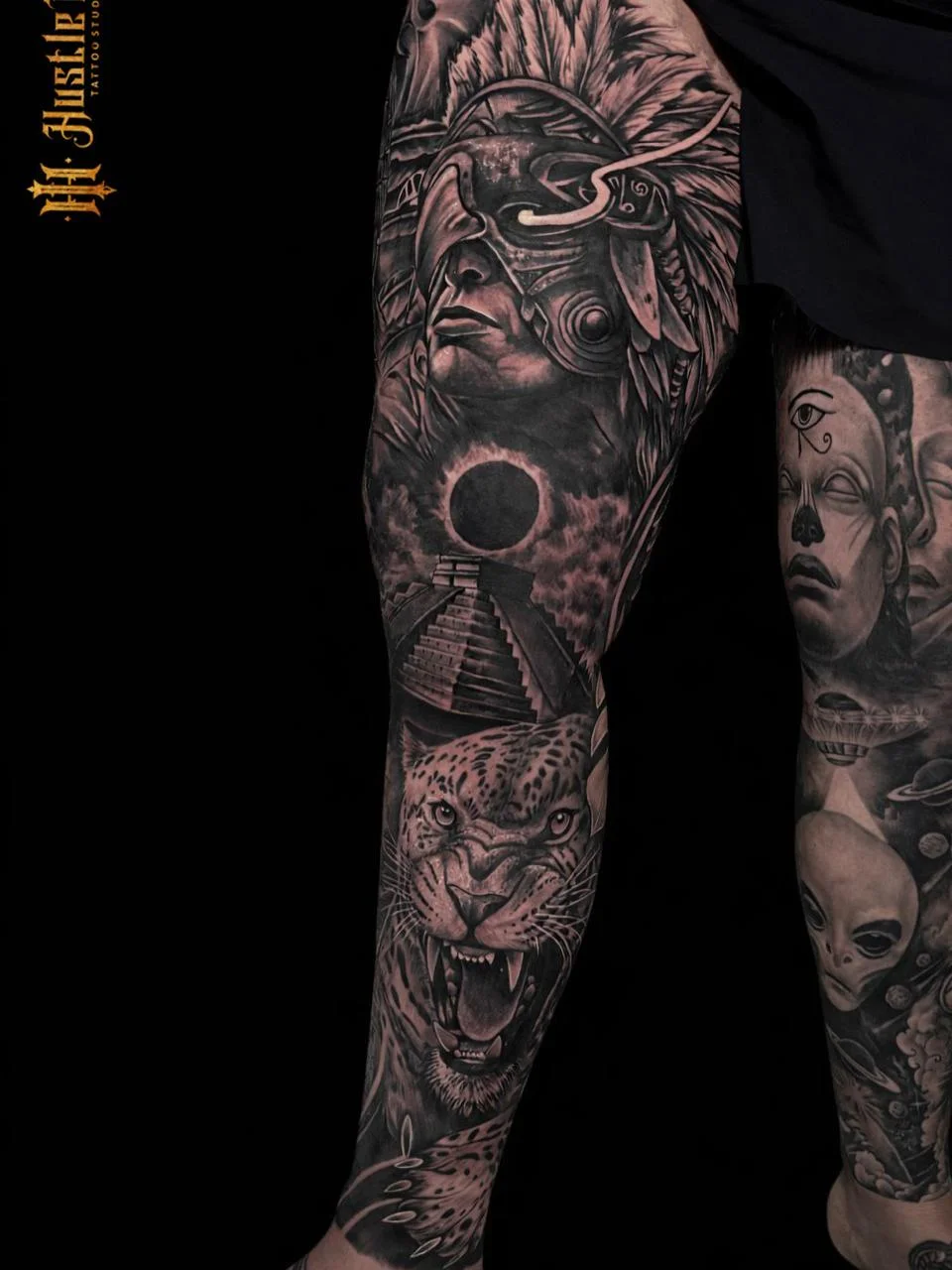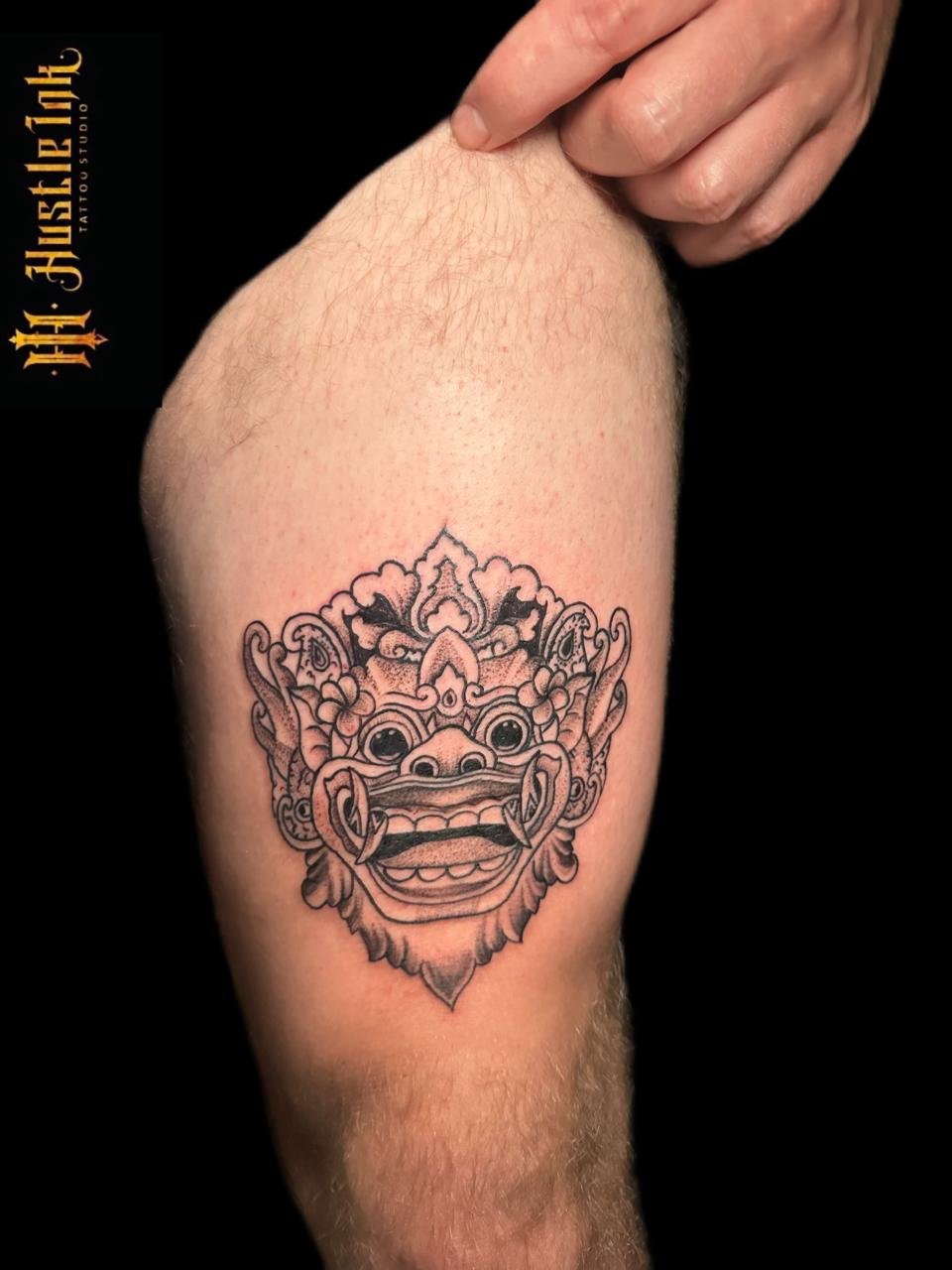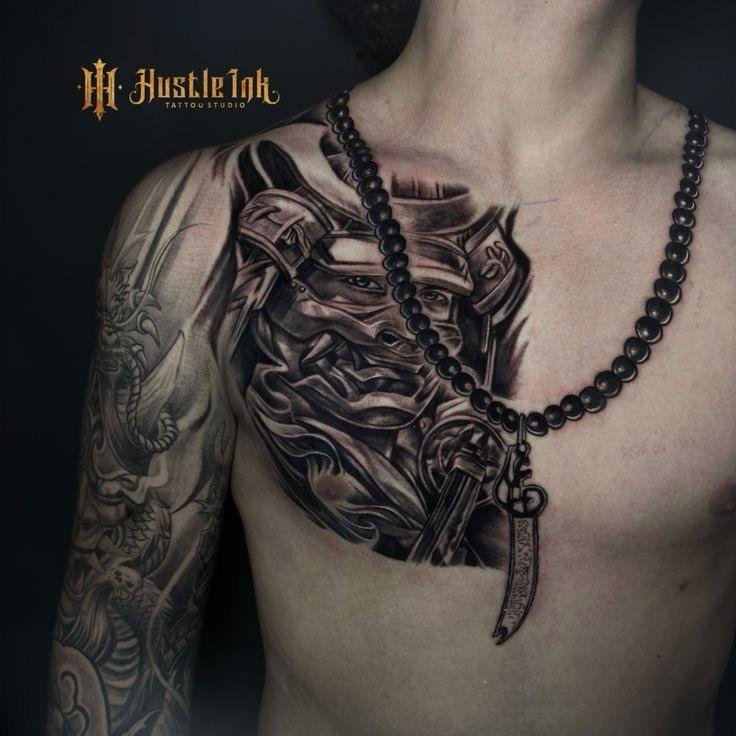
Watercolor Tattoo Bali What to Know Before You Book (2026)
Watercolor tattoos are one of the most visually striking styles you can get. The soft colour blends, the absence of harsh outlines, the way a good piece looks like it was painted directly onto skin it’s easy to see the appeal. And Bali, with its concentration of skilled international artists and lower price point than most Western cities, is one of the best places in the world to get one done.
But watercolor tattoos are also one of the most technically demanding styles, and one of the most misunderstood. Get the wrong artist, or go in without the right expectations, and you could end up with a piece that looks beautiful for six months and then fades into a blur.
This guide covers everything you need to know before booking a watercolor tattoo in Bali: what the style actually involves, what to look for in an artist, how much it costs, and how to make it last.
What Is a Watercolor Tattoo?
Watercolor tattoos mimic the look of watercolour paintings the medium where pigment is diluted with water and applied in translucent washes that bleed and blend together. In tattooing, this translates to:
- Soft colour gradients with no hard black outline (or very minimal linework)
- Blended edges that “bleed” into the skin, similar to paint on wet paper
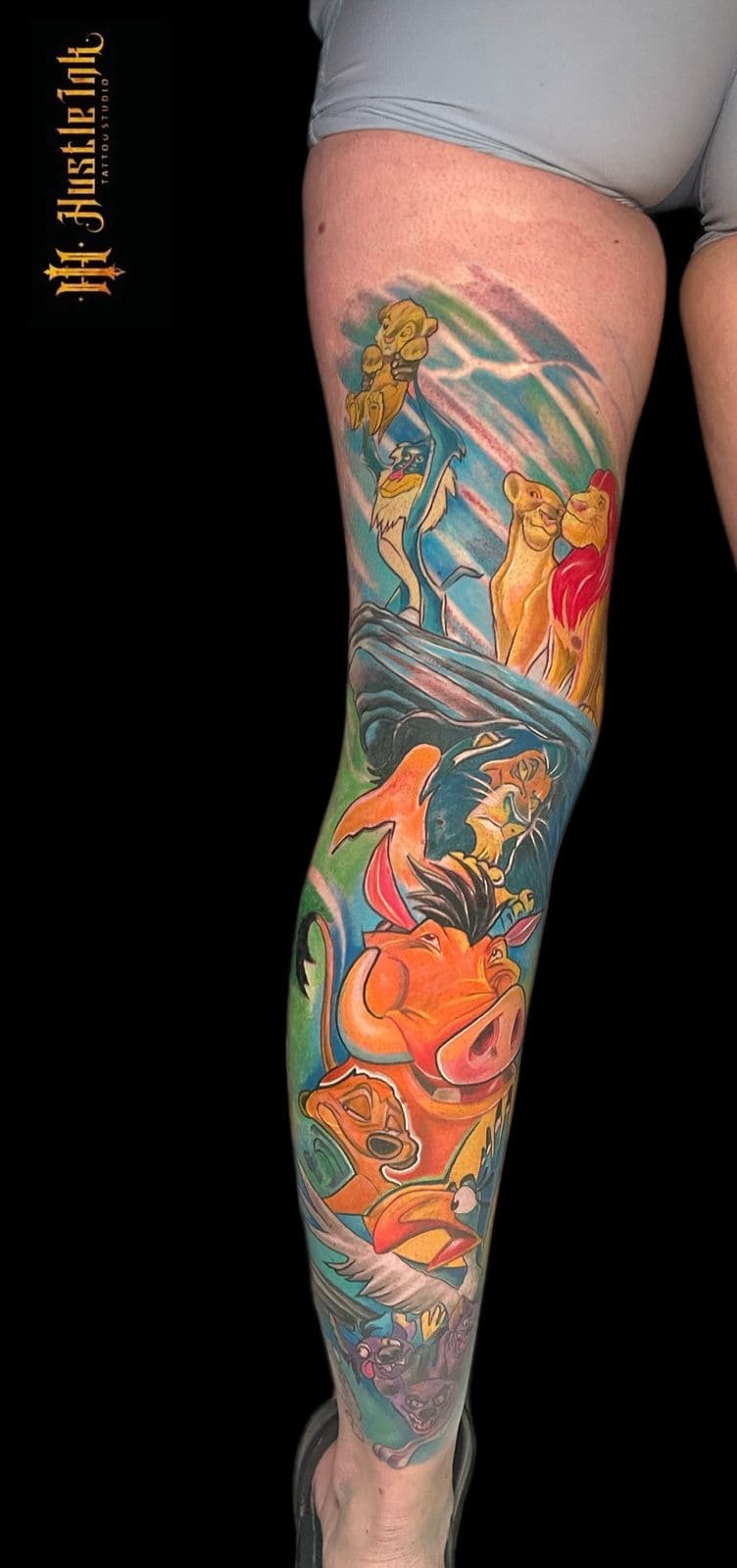
- Light, pastel-like colour tones in some pieces, or bold saturated washes in others
- A painterly, illustrative quality that’s very different from traditional tattooing
Popular subjects for watercolor tattoos include flowers, animals, abstract colour washes, portraits, geometric forms with colour bleeding out of the edges, and celestial motifs. The style works especially well when paired with fine line work a delicate botanical outline filled with soft watercolour washes is one of the most requested combinations right now.
The Honest Truth About Watercolor Tattoo Longevity
Here’s what most articles about watercolor tattoos don’t tell you: they fade.
All tattoos fade over time, but watercolor tattoos especially those done with very light colours and no black outlines can fade significantly faster than other styles. This is because:
Light colours fade faster than dark ones. Yellow, white, light pink, and pale lavender are notoriously difficult to maintain. Darker, more saturated colours hold up better.
The absence of black outlines accelerates visual fading. Black and grey anchor a tattoo and slow down how quickly it looks “washed out.” When there’s no outline, the whole piece is carrying the visual weight in colour alone and as that colour softens, the piece can lose definition quickly.
Sun exposure is the biggest enemy. UV light breaks down tattoo pigment, and if you’re spending time in the Bali sun regularly, your watercolor tattoo needs consistent SPF protection.
This doesn’t mean watercolor tattoos are a bad choice. It means going in with clear expectations and choosing an artist who understands how to design for longevity not just for the Instagram photo taken immediately after.
A well-executed watercolor tattoo with a good structural foundation and proper aftercare can look great for many years. The key is choosing the right artist and understanding what you’re committing to.
What Makes a Good Watercolor Tattoo Artist in Bali
Not every tattoo artist can do watercolor work well. It’s a style that rewards a specific combination of skills:
Colour theory and mixing Watercolor tattooing requires the ability to mix and layer colours in ways that create the right wash effects. Artists who primarily work in black and grey or traditional styles may not have this training.
Understanding of skin undertones Colours behave differently on different skin tones. A pale lavender that pops on very fair skin can disappear on medium or darker skin. A good watercolor artist understands this and adjusts their colour choices accordingly.
Design for longevity The best watercolor artists incorporate subtle structure into their pieces fine black outlines, darker anchor points, or strategic placement of heavier colour to make the tattoo hold up over time without sacrificing the watercolor aesthetic.
A portfolio of healed work This is the most important thing. Freshly-done watercolor tattoos always look striking. What matters is how they look after six months, a year, two years. Ask to see healed photos, not just fresh shots. If an artist can’t show you any, treat that as a significant red flag.
Getting a Watercolor Tattoo at Hustle Ink Bali
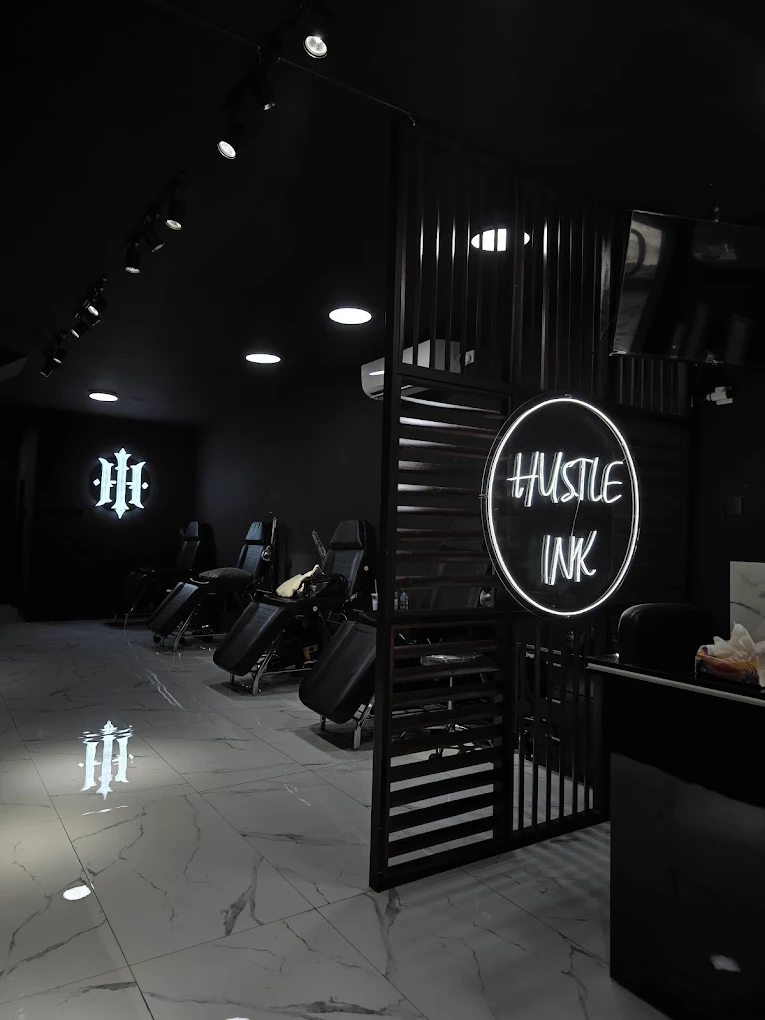
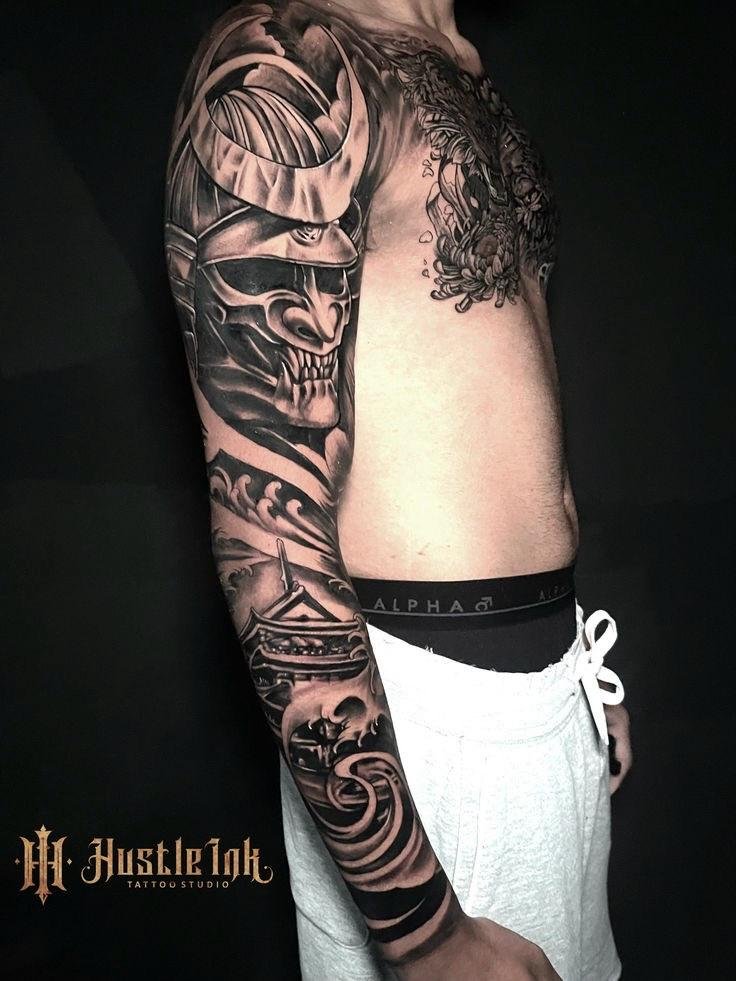
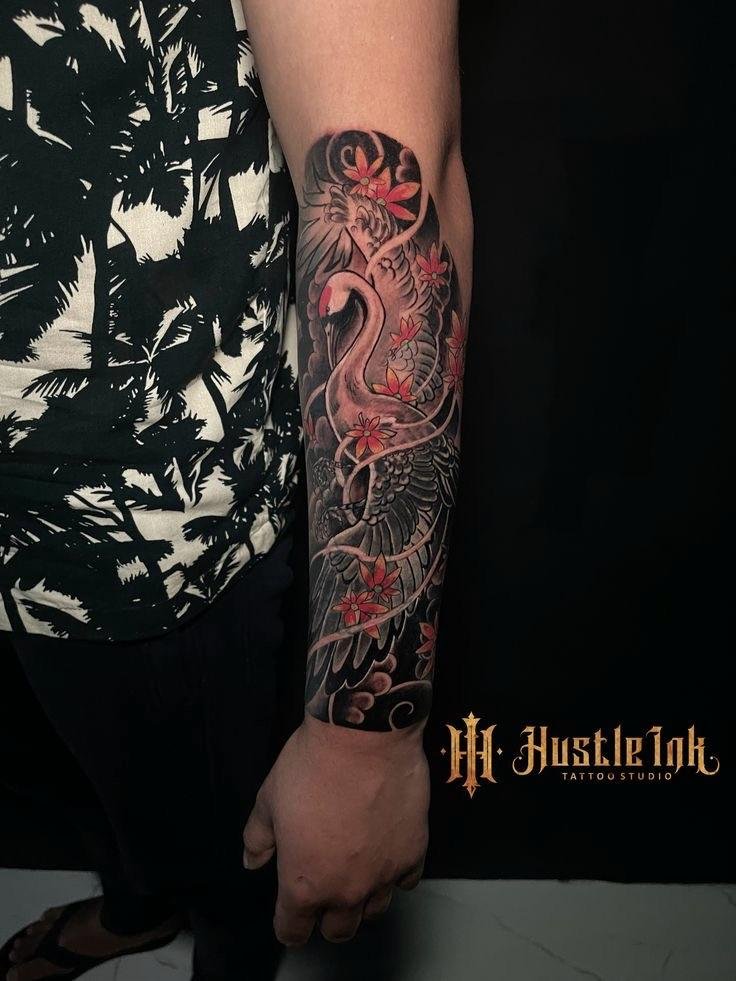
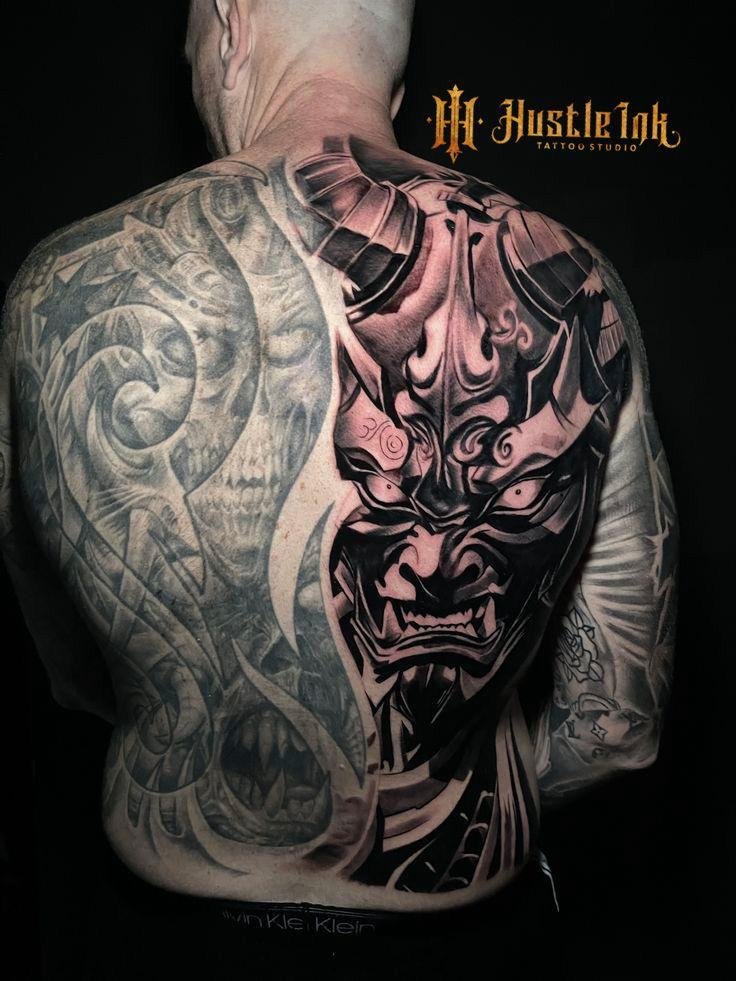
Hustle Ink Tattoo Studio in Bali is one of the studios where watercolor tattooing is done with real skill and attention to longevity. Their artists work across multiple styles, and for clients interested in watercolor work, the consultation process starts with an honest conversation about what the style involves, what’s realistic, and how to design the piece to hold up over time.
This consultation-first approach is particularly valuable for watercolor tattoos, where client expectations and the reality of how the style ages can sometimes be misaligned. Hustle Ink’s team takes the time to make sure you understand what you’re getting and then delivers it properly.
The studio takes bookings via WhatsApp, which means you can send over reference images and discuss the design before your trip. This is especially useful for custom watercolor work, where design time is part of the process.
Get in touch with Hustle Ink here.
Watercolor Tattoo Bali: Price Guide for 2026
Watercolor tattoos are typically priced at a slight premium over standard blackwork, because of the additional skill and time required. Here’s a general guide:
| Size | IDR | USD (approx) |
| Small (under 6cm) | 500,000 – 1,200,000 | USD 30–75 |
| Medium (palm-sized) | 1,200,000 – 3,000,000 | USD 75–185 |
| Large (forearm, thigh) | 3,000,000 – 9,000,000+ | USD 185–555+ |
| Very large / complex | 9,000,000 – 18,000,000+ | USD 555–1,100+ |
Complex colour blending, large colour fields, or very detailed illustrative work will push prices higher. For a detailed breakdown of what tattoos cost in Bali across styles, see: Tattoo Prices in Bali 2026.
One note on pricing: watercolor tattoos often require a touch-up session several months after the initial work, once the tattoo has healed and any areas that have faded slightly can be refreshed. Factor this into your planning some studios include a touch-up in the original price, others charge separately.
Watercolor Tattoo Designs: What Works Best
Some design choices work better than others for the watercolor style. Here’s what tends to translate well:
Botanical subjects Flowers, leaves, ferns, and botanical illustrations are a natural fit for watercolor. The organic shapes lend themselves to flowing colour gradients, and the subject matter has inherent texture that helps the piece read well as it ages.
Hummingbirds, butterflies, koi fish, and birds of paradise are consistently popular. The movement and colour variation in these subjects pairs beautifully with the watercolor approach.
Abstract washes Pure colour wash pieces fields of blue blending into violet, or splashes of colour behind a fine-line geometric form can be stunning. These work best when there’s enough contrast in the design to maintain readability over time.
Balinese-inspired motifs with colour A Balinese frangipani, lotus, or tropical leaf done in watercolor style is a popular choice for visitors to the island. It captures something of the Bali aesthetic while being distinctly personal. See our Bali Tattoo Ideas guide for more inspiration.
What tends not to work as well: Very pale colours on darker skin tones, extremely small pieces with fine colour detail (the colour doesn’t hold well at small scales), and pieces with large fields of very light yellow or white.
Where to Place a Watercolor Tattoo
Placement affects both how the tattoo looks and how well it ages. For watercolor work specifically:
Upper arm and shoulder blade Good sun protection possible, relatively low friction, ages well
Forearm Popular and visible, but gets significant sun exposure; consistent SPF protection is important
Rib cage and torso Lower sun exposure, but more complex to tattoo and more sensitive
Thigh and calf Good placement for larger pieces, ages relatively well
Feet and hands Not recommended for watercolor work. These areas experience constant friction and the skin regenerates more frequently, causing watercolor tattoos to fade especially fast here.
Aftercare for Watercolor Tattoos
Aftercare for watercolor tattoos follows the same principles as any tattoo, but with a few extra considerations given how much colour fading is already a factor in the style.
The first two weeks:
- Keep the tattoo clean and moisturised as directed by your artist
- Avoid swimming, especially in the sea or chlorinated pools
- Keep it out of direct sun wear loose clothing over it if you’re going outside
- Don’t pick at any peeling or scabbing
Long-term:
- Apply SPF 50+ to your tattoo every time you’re in the sun. This is the single most effective thing you can do to maintain your watercolor tattoo’s vibrancy
- Keep the skin moisturised dry skin makes tattoos look dull
- Plan for a touch-up appointment at 6–12 months
For the full aftercare guide, read: Tattoo Aftercare in Bali.
Is Bali a Good Place to Get a Watercolor Tattoo?
Yes with the right artist. Bali has a genuine concentration of skilled tattoo artists at prices significantly lower than comparable work in Australia, the UK, or North America. A watercolor tattoo that might cost AUD 600 in Sydney can often be done to the same or higher standard in Bali for a fraction of the price.
The key is doing your research before you arrive. Don’t walk into a random studio and ask for watercolor work. Find the specific artist whose healed portfolio you’ve already reviewed, reach out ahead of time, and have the consultation conversation before you sit in the chair.
For more on what to look for in any Bali tattoo studio: Is It Safe to Get a Tattoo in Bali? and Best Tattoo Artist in Bali.
Frequently Asked Questions: Watercolor Tattoo in Bali
Yes especially pieces done with very light colours and no black outline. Light pastel yellows, whites, and pinks are the most prone to fading. That said, a well-executed watercolor tattoo with a solid structural foundation and consistent SPF protection can hold up well for years. Choosing an experienced artist who designs for longevity makes a significant difference.
Expect to pay a slight premium over standard blackwork due to the skill involved. Small pieces start from IDR 500,000 (around USD 30). Medium pieces run IDR 1,200,000–3,000,000. Large forearm or thigh pieces can reach IDR 9,000,000 or more. A touch-up session at 6–12 months may be included or charged separately depending on the studio.
Healed work is the single most important thing to check. Any artist can make a watercolor tattoo look stunning immediately after it’s done what matters is how it looks six to twelve months later. Ask to see healed photos specifically. If an artist can’t show you any, treat that as a red flag.
Yes, but colour choices need to be adjusted. Very pale pastels can disappear on medium or darker skin tones. A skilled watercolor artist will suggest colours with enough saturation to show clearly on your specific skin tone, and may lean toward bolder washes rather than soft pastels.
Upper arm, shoulder blade, thigh, and calf are all good options they allow for effective sun protection and experience less friction than hands or feet. Avoid feet and hands for watercolor work specifically; the constant friction causes colour to fade much faster in those areas.
Most watercolor tattoos benefit from a touch-up session at around 6–12 months, once the piece has fully healed and any slight fading is visible. Some studios include this in the original price; others charge separately. Ask before you book.
Ready to Book Your Watercolor Tattoo?
If you’re visiting Bali and interested in watercolor work, the best first step is a WhatsApp consultation with Hustle Ink. Send your reference images, describe what you’re thinking, and get an honest assessment of what’s achievable design, placement, price, and timeline before you arrive.