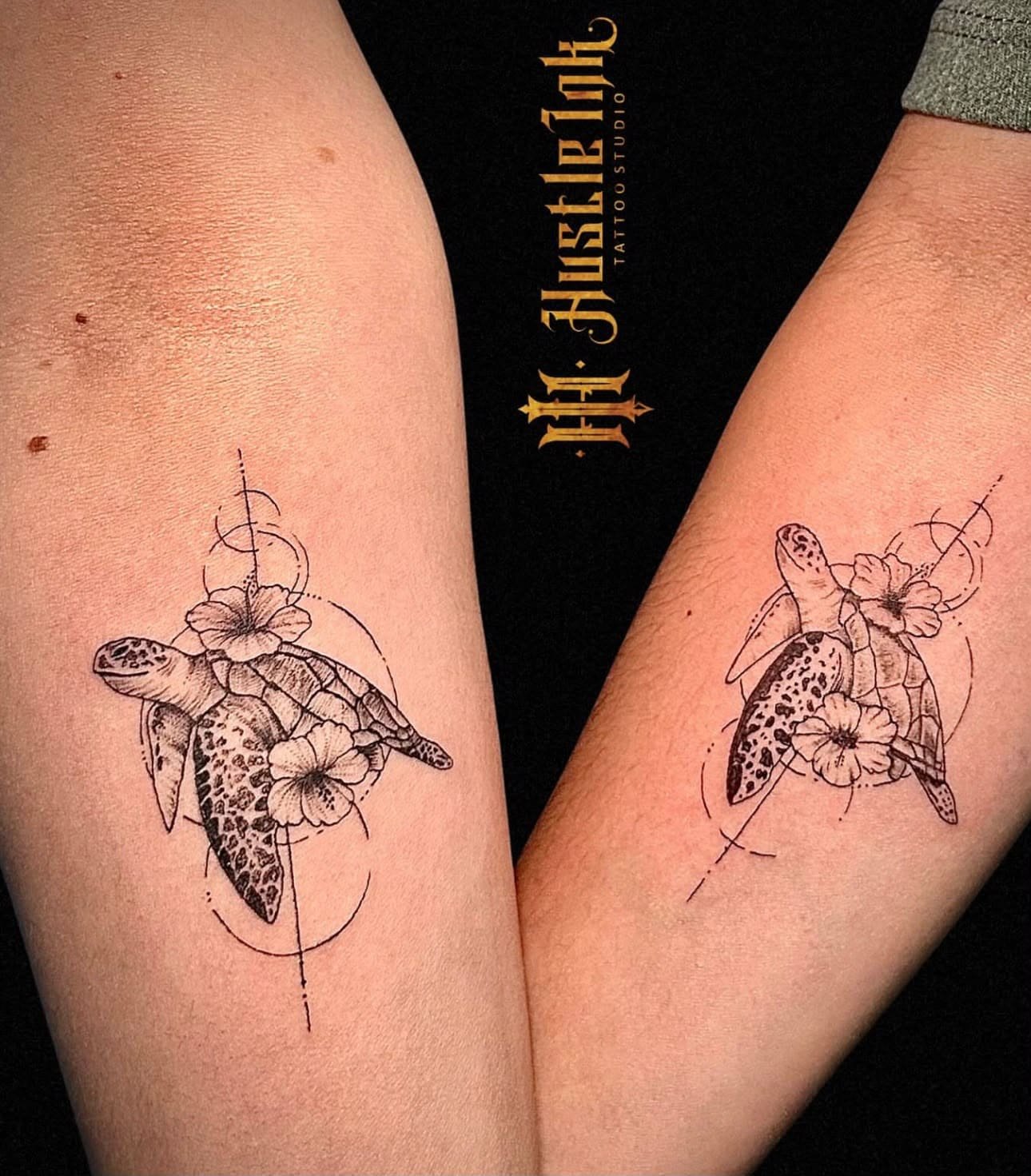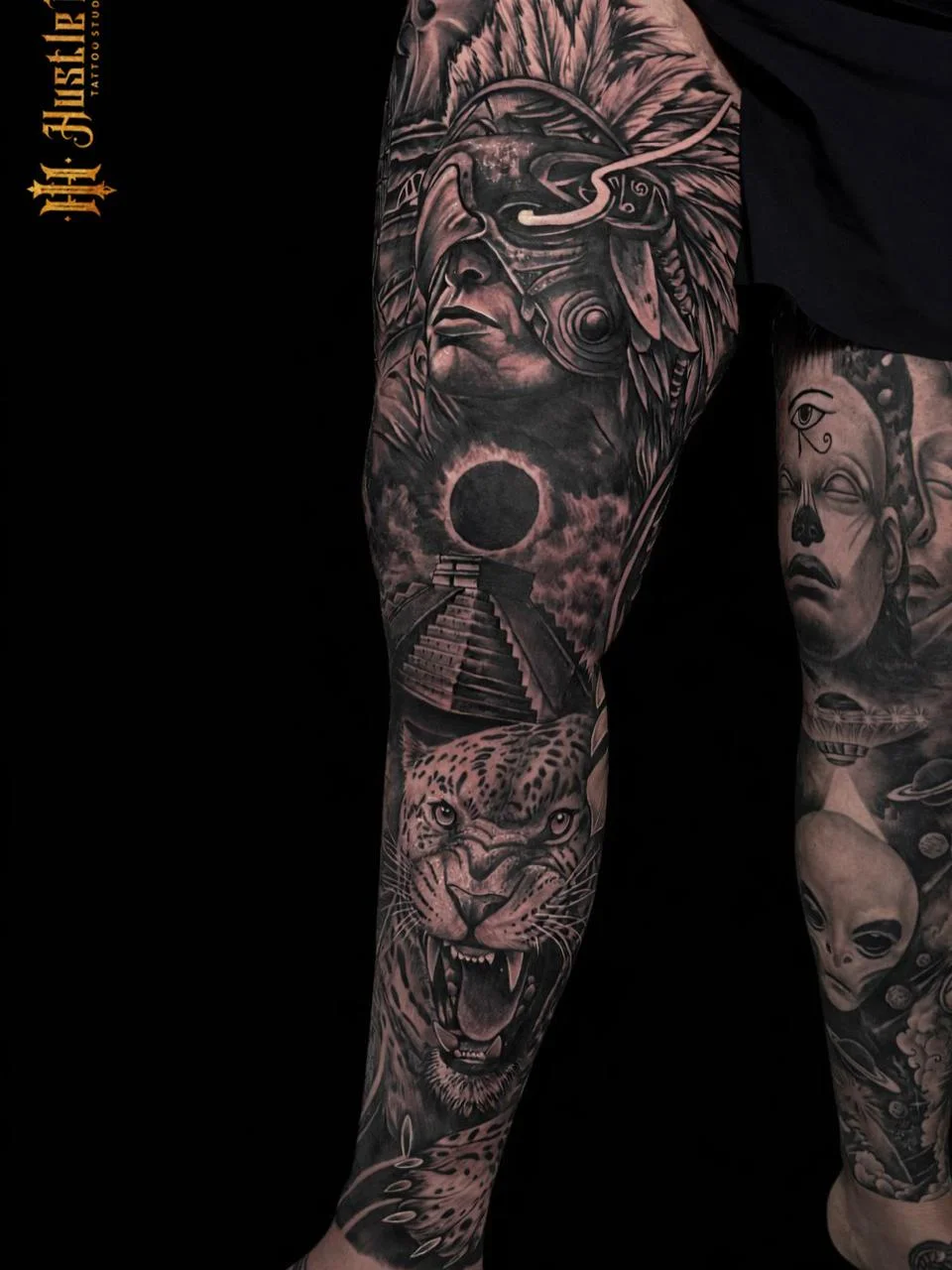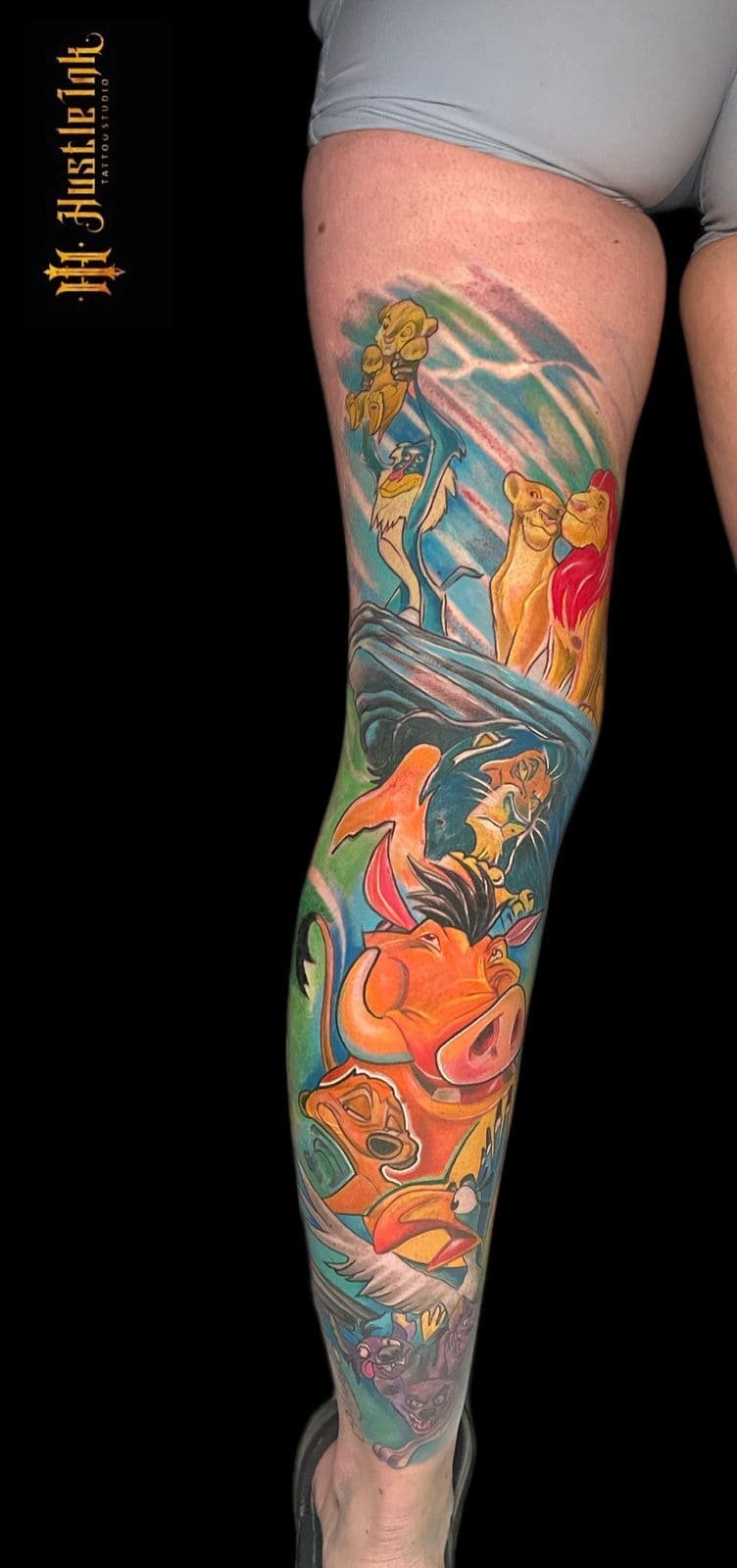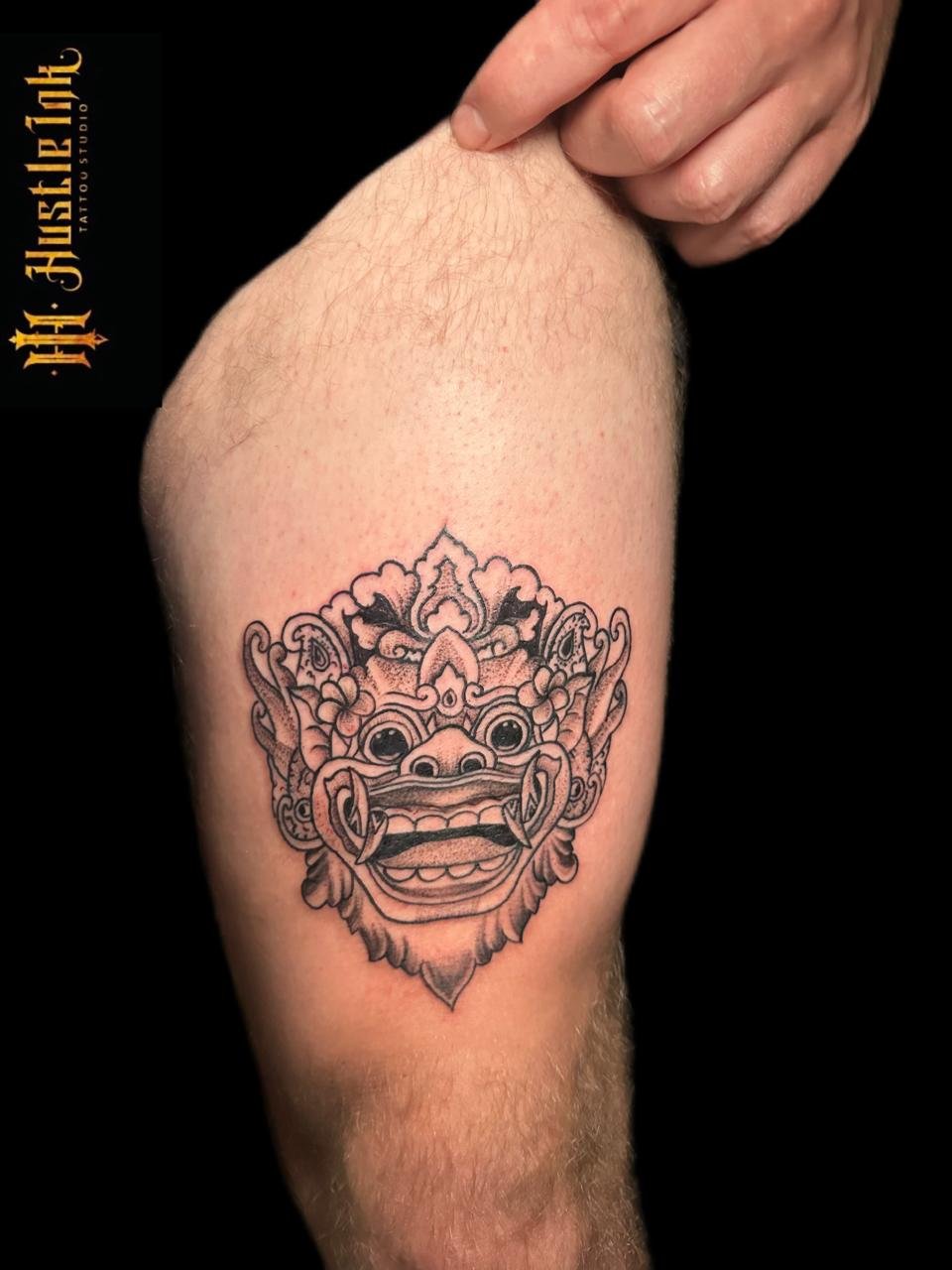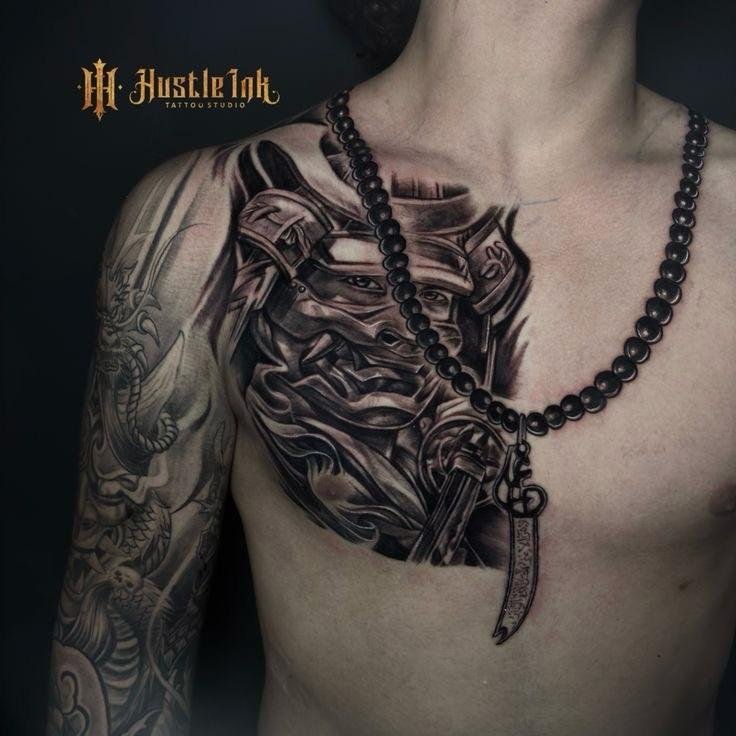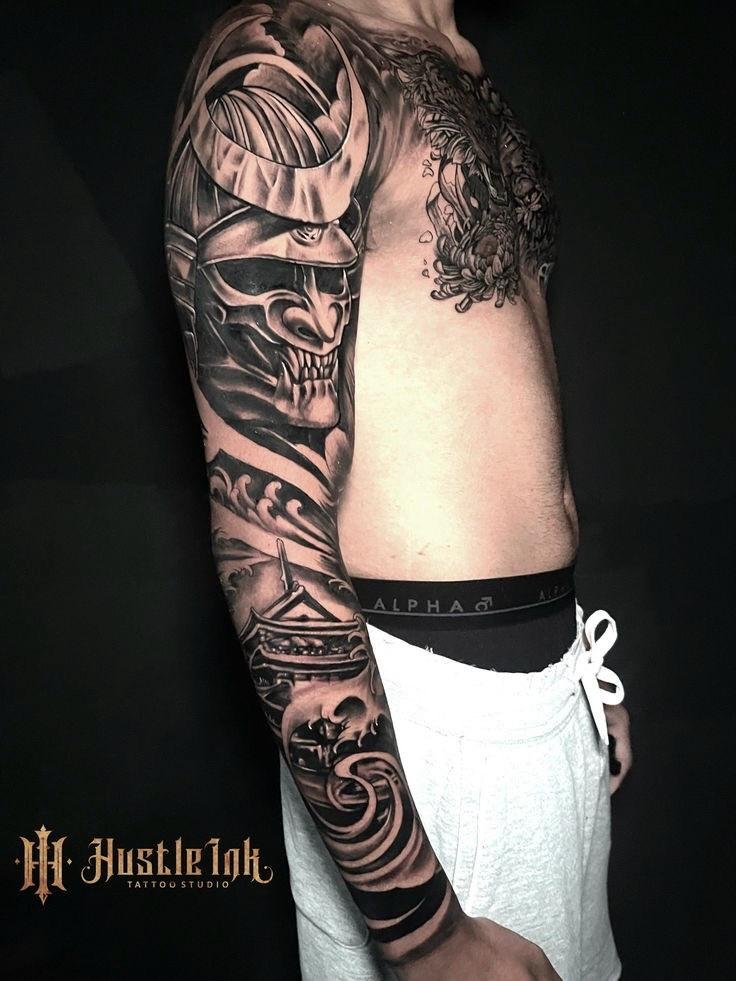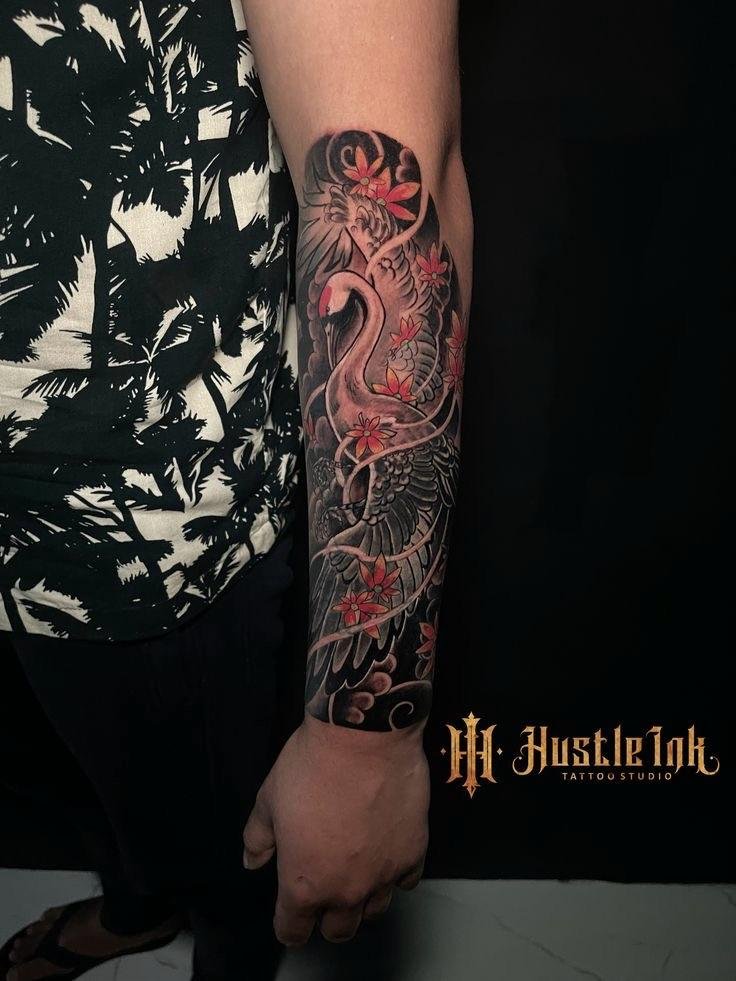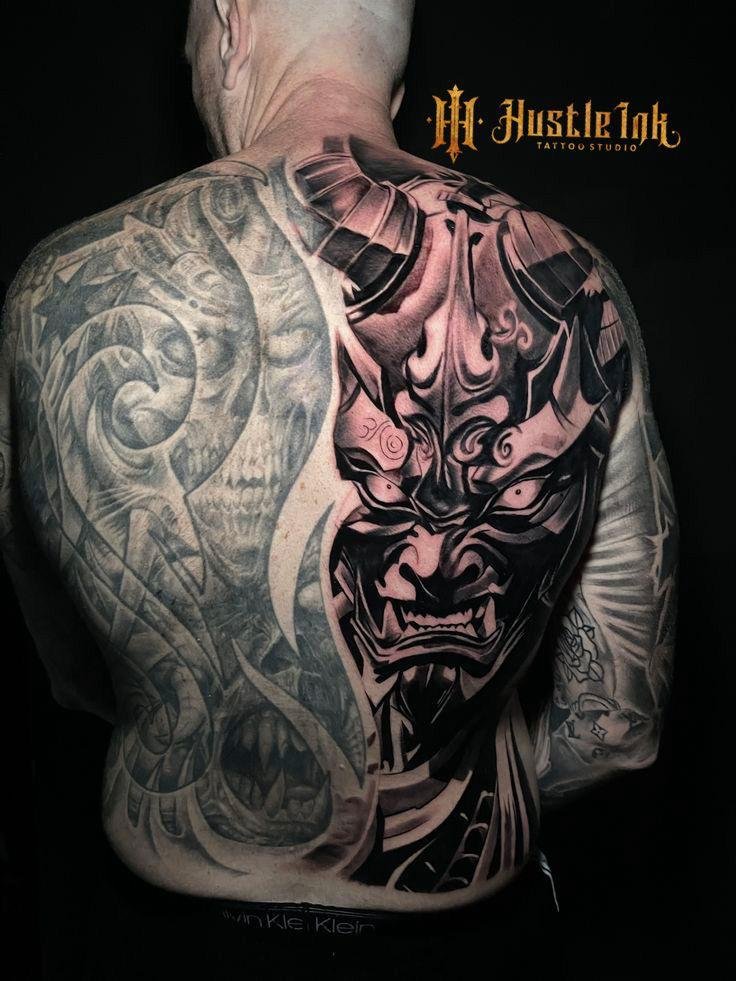
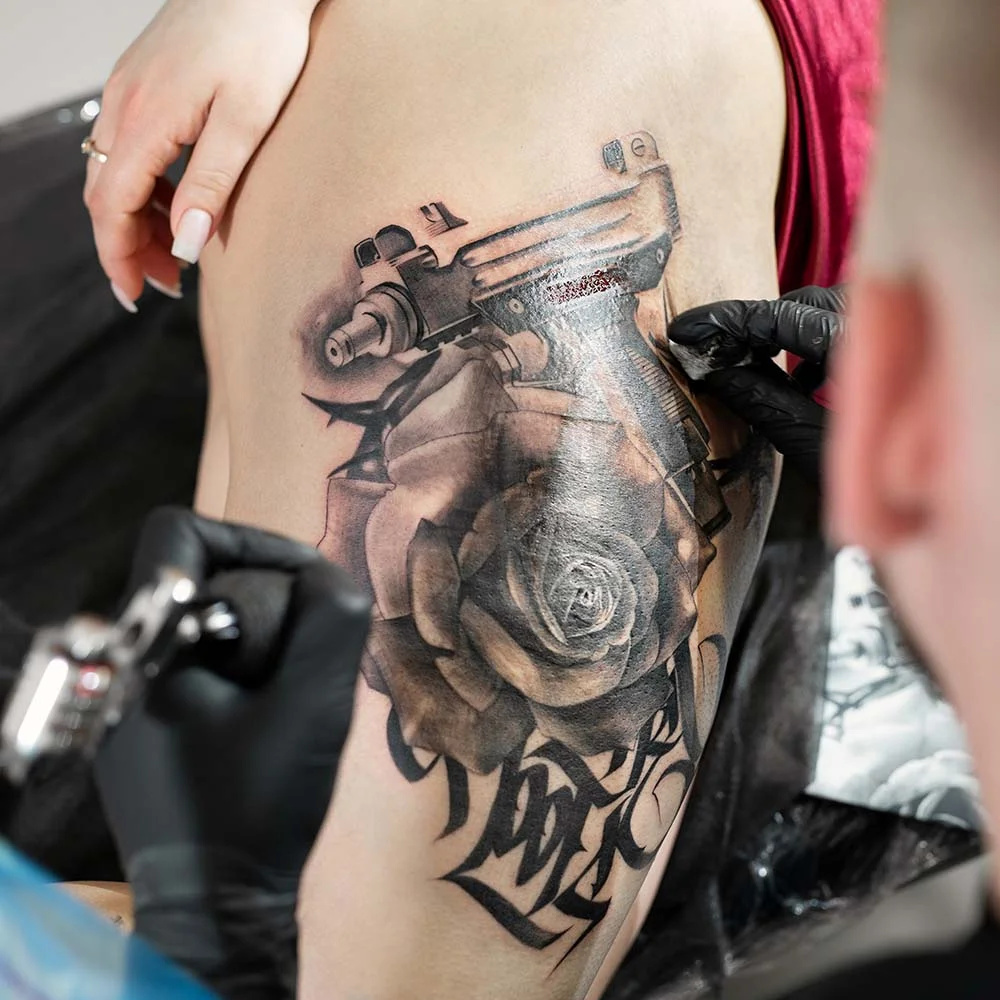
Getting a tattoo in Bali introduces aftercare challenges that don’t apply the same way at home. The combination of intense UV, ocean access, high ambient humidity, and the general pace of a holiday where you’re active, outside, and not thinking about wound care creates specific conditions that affect how fresh tattoos heal.
This is not a reason to avoid getting tattooed in Bali. It’s a reason to understand what the environment actually does to fresh ink and plan around it accordingly.
This guide covers the full picture of tattoo aftercare in Bali the complete 2026 guide to healing your tattoo properly: what the tropical climate means for healing, what to avoid and why, what products work in this environment, how to read the difference between normal healing and a problem, and how to protect your tattoo during the rest of your trip. It’s written by the team at Hustle Ink Tattoo Studio Legian Jl. Raya Legian No.165, open daily.
📋 Official Hustle Ink Aftercare Instructions These are the aftercare guidelines provided by Hustle Ink to every client at the end of their session. A detailed day-by-day breakdown is included below scroll to “Hustle Ink Official Aftercare Instructions” or read the full guide for context on healing in Bali’s tropical climate.
Why Bali’s Climate Affects Tattoo Healing Differently
Understanding the variables is the first step to managing them.
UV exposure
Bali sits 8 degrees south of the equator. The UV index regularly reaches 11–13 during daylight hours classified as “extreme” on the international scale. For context, the UV index in Melbourne or London on a summer day might reach 5–7.
UV radiation breaks down tattoo pigment. This is true everywhere, but the intensity in Bali means the effect is faster and more pronounced. A fresh tattoo exposed to significant Bali sun during the healing phase even indirect exposure on a cloudy day will fade more than the same tattoo healed in a northern climate under the same conditions.
For fine line tattoos and delicate ink, the impact is more visible because there’s less pigment to absorb the degradation. A fine line piece that heals cleanly away from UV will look different in 12 months than one that was sun-exposed during the first month of healing.
Ocean and pool water
Ocean water contains bacteria, microorganisms, and salt. A fresh tattoo is an open wound for the first few weeks the skin has been perforated, the epidermis is in the process of rebuilding, and the ink is settling into the dermis. Bacteria that would be harmless on intact skin can cause infection in fresh tattoo tissue.
Pool water has a different problem: chlorine and the other chemicals used in pool maintenance are skin irritants that disrupt the healing environment and can cause ink to migrate or fade unevenly during the early healing phase.
The practical guideline is simple: no ocean, no pools for at least two to three weeks after getting tattooed. This conflicts directly with what most people are doing in Bali which is why timing matters so much.
Humidity
Bali’s humidity typically 75–90% year-round is actually beneficial for tattoo healing in one respect. Skin tends to stay more supple and peel less aggressively than in dry climates. The severe cracking and peeling that characterises healing in dry air is less common in Bali.
The risk with high humidity is over-saturation. If you’re sweating heavily, exercising outdoors, or in sustained contact with damp clothing over a fresh tattoo, the healing environment becomes too moist. This creates conditions for bacterial growth and can interfere with how the ink sets.
The First 24 Hours What Happens and What to Do
Your artist will wrap your tattoo at the end of the session. What happens in the first 24 hours sets the trajectory for the rest of the healing process.
The wrap
Most reputable studios in Bali use one of two wrapping approaches: traditional cling film (plastic wrap) or a medical-grade second skin film (Saniderm, Dermalize, or similar). The approach your artist uses will be explained to you, and the instructions for each are different.
Cling film / traditional wrap:
- Remove after 2–4 hours (or as instructed by your artist)
- Wash gently with clean hands and mild unscented soap not a flannel, not a loofah
- Pat dry with a clean paper towel (not a bath towel, which harbours bacteria)
- Allow to air dry for 20–30 minutes before applying a thin layer of unscented moisturiser
Second skin / medical film (Saniderm/Dermalize):
- Leave in place for 24–72 hours as instructed
- The film will collect fluid underneath this is normal and is called the “plasma pool”
- Remove in the shower by peeling from one corner and pulling slowly along the skin
- Wash, pat dry, and begin standard aftercare as above
What not to do in the first 24 hours
Do not re-wrap with cling film after the initial removal. Do not submerge the tattoo. Do not apply alcohol, hydrogen peroxide, or tea tree oil these are damaging to healing tissue regardless of what you may have read elsewhere. Do not pick at any edges of the second skin film if you’ve been wrapped with medical film.
Hustle Ink Official Aftercare Instructions
These are the aftercare guidelines provided by Hustle Ink to every client at the end of their session. Follow these instructions carefully the life of your tattoo depends on the care it receives in the first few days.
Day 1–2
After 1 hour – remove the wrap:
- Remove plastic wrap or bandage and wipe off ointment and plasma with a moist paper towel. If the bandage is stuck to your tattoo, soak in cold water before removing. DO NOT RUB. Dried blood and ink may be removed with gentle washing using your fingertips with antibacterial/antimicrobial soap and water. DO NOT scratch or pick at the wound. Pat dry with a clean paper towel.
- Apply a thin layer of aftercare ointment Redemption or Aquaphor are recommended. DO NOT use Neosporin, Lanolin, or any petroleum-based product. Wait 15 minutes. If plasma re-appears, wipe the area and re-apply ointment. Repeat until plasma no longer appears. Bandaging is NOT necessary after this point.
It is critical that you remove the fluid and keep the tattoo moist for the first few days.
Day 3–4
Wash the tattoo twice a day using antibacterial/antimicrobial soap. Apply a thin coat of aftercare ointment three times a day.
Day 5–15
Apply an unscented body lotion as needed. If your tattoo itches slap it, do not scratch. Remember: tattoos take 4+ weeks to fully heal.
During the 2-Week Healing Process What to Avoid
- DO NOT scratch, pick, or peel
- DO NOT allow the tattoo to dry out
- DO NOT expose to direct sunlight
- NO swimming, soaking in tubs or jacuzzis, saunas, tanning, or skin-to-skin contact
- NO Vaseline, Lanolin, or petroleum-based products
- NO contact with people or pets on the tattooed area
- Avoid contact sports
After showering, pat the tattoo dry with a paper towel and re-apply aftercare ointment or lotion according to your healing stage.
The First Two Weeks Daily Aftercare Routine
The basics are simple. Most aftercare problems come from either doing too much or from specific Bali-related exposures.
The daily routine
Morning: Rinse the tattoo with clean water. Apply a thin layer of unscented moisturiser just enough to keep the skin supple, not enough to suffocate it. A light coating is correct; a thick layer is not.
After any outdoor activity or significant sweating: Rinse with clean water, pat dry, and reapply moisturiser thinly.
Evening: Wash gently with mild unscented soap. Rinse thoroughly. Pat dry with a clean paper towel. Apply a thin moisturiser layer.
That is the complete tattoo aftercare routine for Bali. There is no need for anything more elaborate.
Products that work in Bali
Moisturiser: Unscented, simple formulations work best. Cetaphil, Vaseline (thin layer only), Bepanthen, or a basic unscented lotion. Available from pharmacies (Kimia Farma, Century) across Bali. Avoid anything with fragrance, alcohol, or active ingredients these irritate healing tissue.
Washing: Dial antibacterial soap or any mild unscented soap. Available everywhere. Do not use body wash, exfoliants, or scented soap on the tattoo area.
Saline spray: 0.9% sodium chloride wound spray is useful for rinsing during the peeling phase. Available from pharmacies in Bali as wound irrigation spray. Not essential but helpful if the tattooed area is difficult to rinse under running water.
What not to use: Coconut oil (too occlusive, can cause problems in Bali’s humidity), petroleum jelly in excess (same issue), scented body butter, antiseptic cream unless specifically treating an infection under medical guidance.
Sun Protection The Most Important Variable in Bali
This deserves its own section because it’s the one most visitors underestimate.
Keep the tattoo covered from direct sun for at least three to four weeks. This means loose clothing over the placement whenever you’re outdoors during daylight hours. Not sunscreen clothing. Sunscreen applied to a healing tattoo during the first two weeks is not recommended because the chemicals can irritate the healing surface.
After the tattoo has surface-healed (the peeling phase is complete, typically 10–14 days), SPF 50+ sunscreen can be applied before sun exposure. This is better than nothing, but not as effective as clothing coverage.
The real-world implication for a Bali trip: if your tattoo is on your forearm, your collarbone, your shoulder, or any placement that would normally be exposed during outdoor activities, you need a sun strategy for the rest of your trip after the session. A loose long-sleeve shirt is the simplest solution. A sarong works for leg and lower body placements.
Getting tattooed on day one or two of your trip gives you the most options. Getting tattooed on the last day and flying home through several hours of sun exposure is the worst-case scenario for early healing.
Ocean and Pool Avoidance Planning Around It
Two to three weeks of no ocean, no pools is the firm recommendation. Here is how to make this practical during a Bali holiday:
Timing the session: If your trip has dedicated beach or pool days planned, get tattooed after those days rather than before. A tattoo session midway through the trip or near the end gives you your beach time first.
Waterproof film as a workaround: Some visitors use Saniderm or similar waterproof medical film as a temporary barrier for pool or ocean access during the early healing phase. This can work for short exposures but is not recommended for extended submersion and does not fully protect against bacteria in ocean water. It is a compromise, not a solution — use this approach only if you genuinely cannot avoid water exposure.
Body placement considerations: If you know you’re going to Bali for beach activities and you want a tattoo, consider a placement that’s easier to cover or protect inner arm rather than outer arm, collarbone rather than shoulder, a placement that sits under standard swimwear coverage.
What Normal Healing Looks Like
First week: the tattoo may be slightly raised and tender to the touch. Some clear or yellowish fluid may seep from the surface; this is lymph fluid and is normal. The skin around the tattoo may look pink or slightly red.
Second week: the surface begins to peel. This is the most visually alarming phase for first-time tattoo clients; the ink appears to be coming off with the peeling skin. It is not. The ink is seated in the dermis; what’s peeling is the damaged epidermis. Do not pick or scratch at peeling skin. Let it shed on its own.
Third and fourth week: peeling completes, the surface looks dull or milky. This is normal the new epidermis forming over the ink creates a slightly hazy appearance. The tattoo’s true healed appearance typically reveals itself at four to eight weeks.
Signs That Something Has Gone Wrong
Normal healing produces discomfort, some redness, clear-to-yellowish fluid, and peeling. These are not concerning.
Signs that warrant attention:
Thick yellow or green discharge different from the clear lymph fluid of normal healing. Green or opaque yellow discharge indicates possible infection.
Increasing swelling and warmth spreading beyond the immediate tattoo area normal healing has localised redness, not spreading warmth.
Fever in combination with a painful, swollen tattoo site.
Red streaks radiating from the tattoo this indicates possible blood poisoning and requires immediate medical attention.
If you experience any of these: stop applying topical products, keep the area clean, and consult a doctor or clinic. Bali has multiple clinics accessible to tourists BIMC in Kuta, BIMC in Nusa Dua, and Kasih Ibu hospital are the most commonly used by international visitors.
Aftercare for Specific Styles
Different tattoo styles heal with slightly different characteristics.
Fine line tattoo aftercare
Fine line tattoos are the most sensitive to UV and the most affected by over-moisturising. The lower ink density means less pigment is available to absorb UV degradation. Keep fine line work covered from sun more diligently than bold work the difference in healed result is more visible. Apply moisturiser sparingly a thin layer. See fine line tattoo Bali for more on the style.
Realism and black and grey aftercare
Layered ink from realism work takes slightly longer to fully settle than simpler styles. The multiple layers of ink density mean the tonal relationships continue shifting slightly during the four-to-eight week full healing period. Avoid sun aggressively even a few sessions of significant UV exposure during healing can flatten the tonal range of a black and grey piece. See the realism tattoo Bali guide for context.
Cover-up tattoo aftercare
Cover-up tattoos involve more ink density than equivalent new work because of the layering required to absorb the old tattoo. More ink density means slightly longer healing, more significant peeling, and greater sensitivity to moisture during the first week. Sun protection applies equally. See cover-up tattoo Bali for specifics on the style.
Small tattoo aftercare
Small tattoos heal faster in calendar terms the surface area is smaller and the ink mass is lower. However, small fine line pieces are proportionally more vulnerable to sun degradation because there’s less pigment to absorb UV impact. All the same aftercare principles apply; the timeline is just shorter. See the small tattoo Bali guide for more.
Flying Home with a Fresh Tattoo
A long-haul flight home from Bali typically 6–9 hours to Australia, 13–15 hours to Europe with a fresh tattoo requires a few additional considerations.
Dry cabin air: Aircraft cabins are significantly drier than Bali’s ambient humidity. The transition from 80–90% humidity to 20–30% cabin humidity can accelerate the peeling phase and dry out the healing skin more than you’d expect. Apply a slightly more generous layer of moisturiser before and during the flight not heavy, but more than your usual Bali routine.
Compression and pressure: For tattoos on limbs, sitting in a fixed position for many hours can cause mild swelling at the tattoo site. This is not harmful but can be uncomfortable. Stand and walk when able.
Clothing: Wear loose clothing that doesn’t press directly on the tattoo for long-haul flights. Tight fabric sitting against a healing tattoo for 8+ hours creates friction and moisture retention.
Cover from window UV: Aircraft window UV is significantly higher than ground-level UV, particularly at altitude. If your tattoo placement would be exposed to window light, use your clothing or a window shade throughout the flight.
Book Your Tattoo at Hustle Ink and Know Your Aftercare Before You Arrive
The team at Hustle Ink provides written aftercare instructions at the end of every session calibrated to the specific inks used, the style of work, and the client’s itinerary where relevant. If you’re planning a tattoo in Bali and have questions about aftercare before you book, WhatsApp the team directly.
Book your session at Hustle Ink Legian walk-ins welcome daily, advance booking recommended for specific artists.
For choosing the right artist for your style, see the best tattoo artist in Bali guide. For planning your full trip timing, booking, what to bring see the complete guide to getting a tattoo in Bali.
Frequently Asked Questions Tattoo Aftercare in Bali
Keep the tattoo covered from direct sun with loose clothing. Rinse with clean water after sweating and reapply unscented moisturiser thinly. Avoid the ocean and pools for two to three weeks. In Bali’s humidity, the main risks are sun exposure and bacteria from water both manageable with planning.
Not for at least two to three weeks. Ocean water contains bacteria that can infect a fresh tattoo, and salt water is an irritant to healing tissue. Pool water’s chlorine also disrupts the healing process. Plan your tattoo session after your beach days, or schedule it knowing you’ll avoid the water for the rest of the trip.
Surface healing the peeling and tightening phase takes two to three weeks. Full healing, where the ink settles completely into the dermis and the new epidermis is fully formed, takes four to eight weeks. Fine line tattoos and realism work may take closer to the eight-week end of that range for the tonal qualities to fully stabilise.
Bali’s humidity is generally beneficial skin stays supple and peels less aggressively than in dry climates. The risk is over-saturation: if the tattoo is covered in damp clothing, heavily sweated on, or in sustained contact with moisture, the environment becomes too wet. Balance is the goal the skin should be moisturised but not saturated.
Unscented, simple formulations Cetaphil, basic Vaseline (thin layer), Bepanthen, or any unscented lotion without alcohol or active ingredients. All are available from Kimia Farma or Century pharmacies across Bali. Avoid coconut oil, scented products, and antibacterial cream unless treating a confirmed infection.
Normal healing produces clear-to-yellowish fluid (lymph), localised redness, tenderness, and peeling. Infection signs: thick green or opaque yellow discharge, increasing swelling and warmth spreading beyond the tattoo, fever, or red streaks radiating from the placement. If you see these, consult a doctor BIMC in Kuta is the most accessible clinic for international visitors.
Not for the first two weeks. The chemicals in sunscreen can irritate healing tissue. Use clothing for sun protection during early healing. After the surface is fully healed (peeling complete, typically 10–14 days), SPF 50+ can be applied before sun exposure.
Apply a slightly more generous layer of unscented moisturiser before and during the flight dry cabin air is significantly lower humidity than Bali. Wear loose clothing that doesn’t press against the tattoo. Sit away from direct window UV if your placement would be exposed. Stand and walk periodically to prevent prolonged compression of tattoos on limbs.
Ready to Book Your Tattoo in Bali?
The best outcomes from getting tattooed in Bali come from good preparation and aftercare is half of that preparation. The team at Hustle Ink the most-reviewed tattoo studio in Legian Bali will walk you through everything you need to know at the end of your session.
Hustle Ink Tattoo Studio Jl. Raya Legian No.165, Legian, Kec. Kuta, Kabupaten Badung, Bali 80361 Open daily Mon–Fri 09:00–21:00 | Sat–Sun 10:00–22:00 WA: +62 812 2525-2698 | hustleinktattoo.com