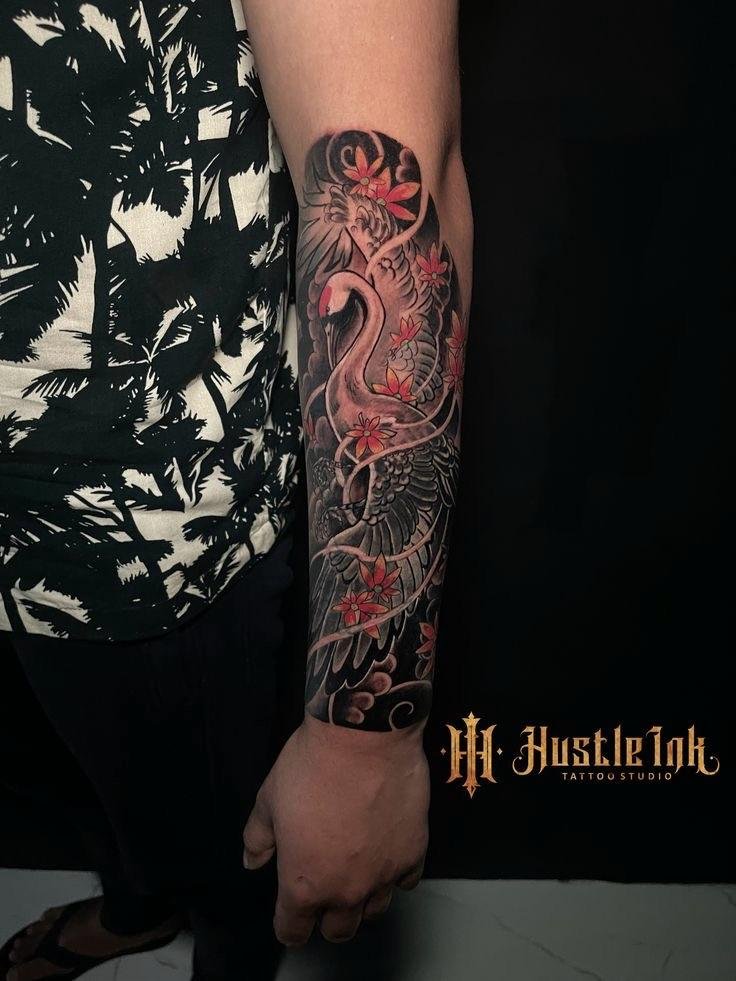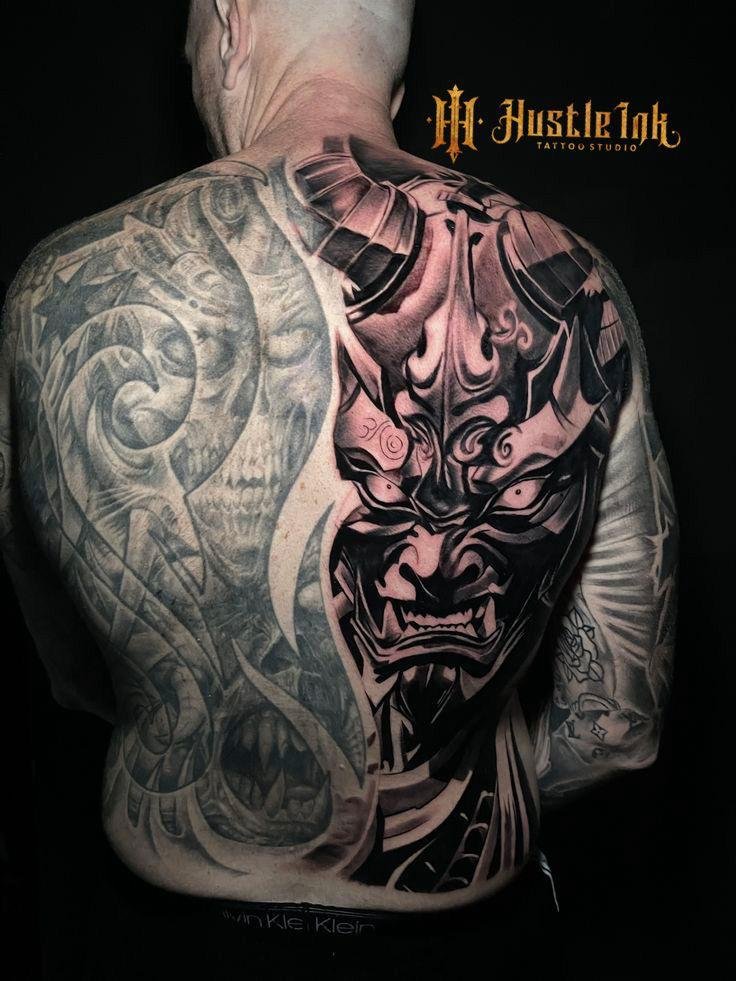
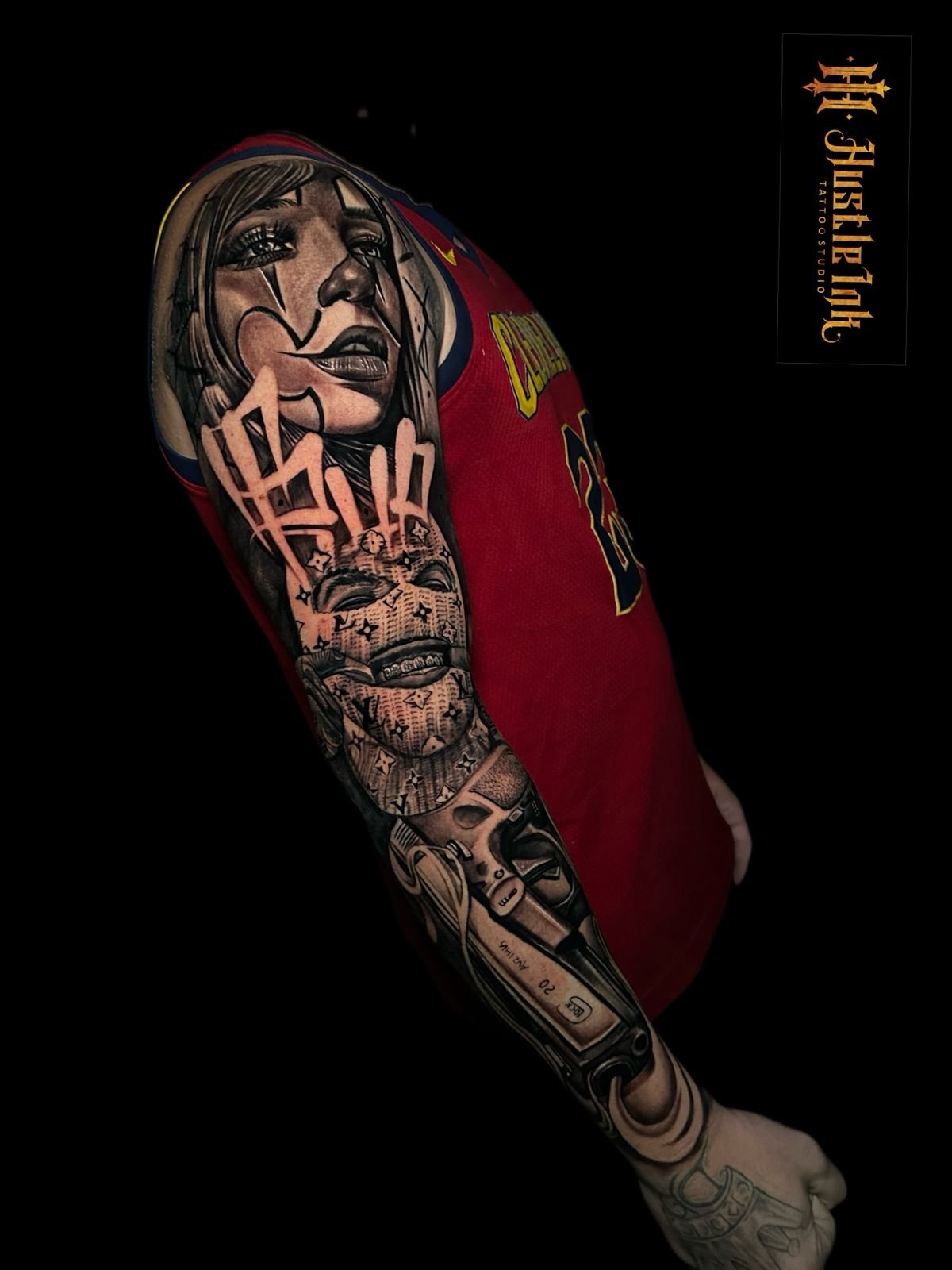
Realism tattooing is one of the most technically demanding styles in the craft and one of the most rewarding when it’s done well. A portrait that looks genuinely photographic on skin, an animal composition with fur you can almost feel, a landscape that captures depth and atmosphere across a single plane of flesh these are not outcomes that happen by accident.
They happen because the artist has invested years developing a very specific skill set: tonal control, understanding of how ink diffuses through skin at different depths, compositional judgment at scale, and the kind of steady hand that only comes from sustained practice at volume.
Bali has become a genuine destination for realism tattoo work. The combination of world-class artist depth in the Legian-Kuta-Seminyak corridor, accessible pricing relative to Australia and Europe, and the natural context of a considered trip creates ideal conditions for planning a serious realism piece. This guide covers what makes realism technically distinct, how to evaluate an artist before you commit, what realistic expectations look like for this style, and how Bali’s climate affects healing for larger, more complex pieces.
It’s written by the team at Hustle Ink Tattoo Studio Legian Jl. Raya Legian No.165, with specialist realism artist Arok on staff full-time alongside a team covering fine line, cover-up, and color.
What Makes Realism Tattooing Technically Demanding
Not every tattoo style requires the same depth of technical skill. Bold traditional work is forgiving thick lines and solid fills leave room for minor inconsistencies. Fine line requires precision but operates within a limited tonal range. Realism demands both precision and a complete command of tonal gradation and there is almost nowhere to hide when something goes wrong.
Tonal control is everything
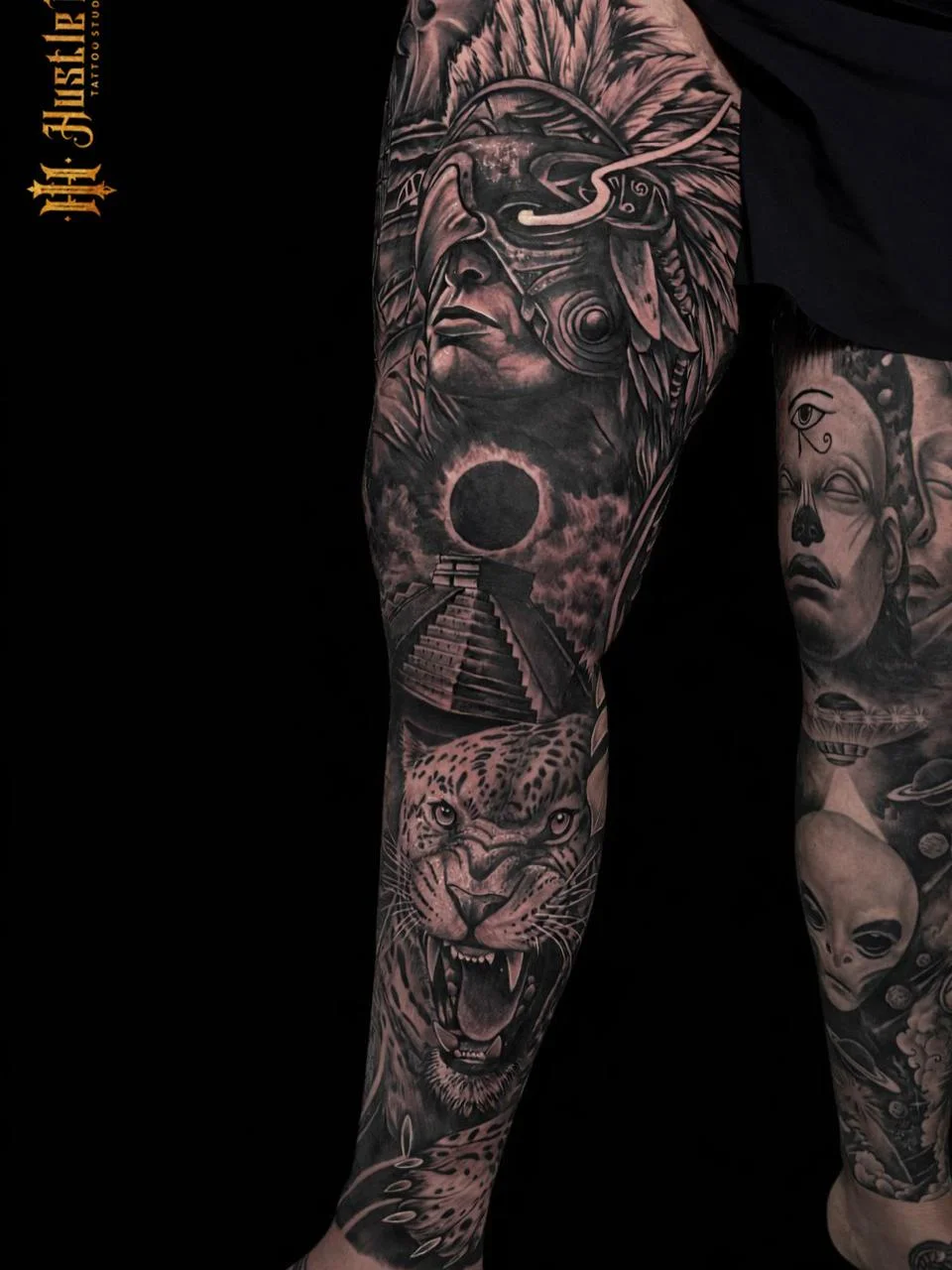
A black and grey realism tattoo works by translating the full tonal range of a photograph or three-dimensional subject into diluted black ink on skin. The artist creates highlights, midtones, and deep shadows using nothing but ink density and needle technique. The result, when executed correctly, reads as continuous smooth gradients without visible banding or transition lines.
This is harder than it sounds. The human eye is extraordinarily good at detecting tonal discontinuities. A portrait that has five percent more contrast than it should in one section reads as “off” to viewers who couldn’t articulate why. Artists who have not spent years developing this tonal sensitivity produce work that looks technically acceptable but reveals its limitations in the healed result: muddy gradients, grey sections that never quite became highlights, shadows that run darker than they should.
Reference fidelity under pressure
Portrait realism requires the artist to maintain accurate proportions and tonal relationships across an extended session, sometimes four, six, or eight hours on a surface that moves, changes tension, and responds differently in different areas. The positioning of the eyes in a portrait, the relationship between light and shadow on a face, the point at which a dark background transitions to the subject these need to be right, not approximately right.
Artists who produce strong fresh realism work but have not developed the stamina and focus for extended sessions will show it in larger pieces. The beginning of a sleeve will look different from the end of the same session if the artist’s concentration drops.
Skin as a variable
Skin is not a uniform canvas. Different areas of the body hold ink differently inner arm vs outer arm, rib placement vs shoulder. Different skin types take ink at different rates. Sun-exposed skin that has been damaged by UV behaves differently from protected skin. A realism specialist understands these variables and adjusts their technique accordingly. A generalist artist who occasionally does realism work does not have this accumulated knowledge.
Types of Realism Tattoo What’s Available in Bali
Black and grey realism
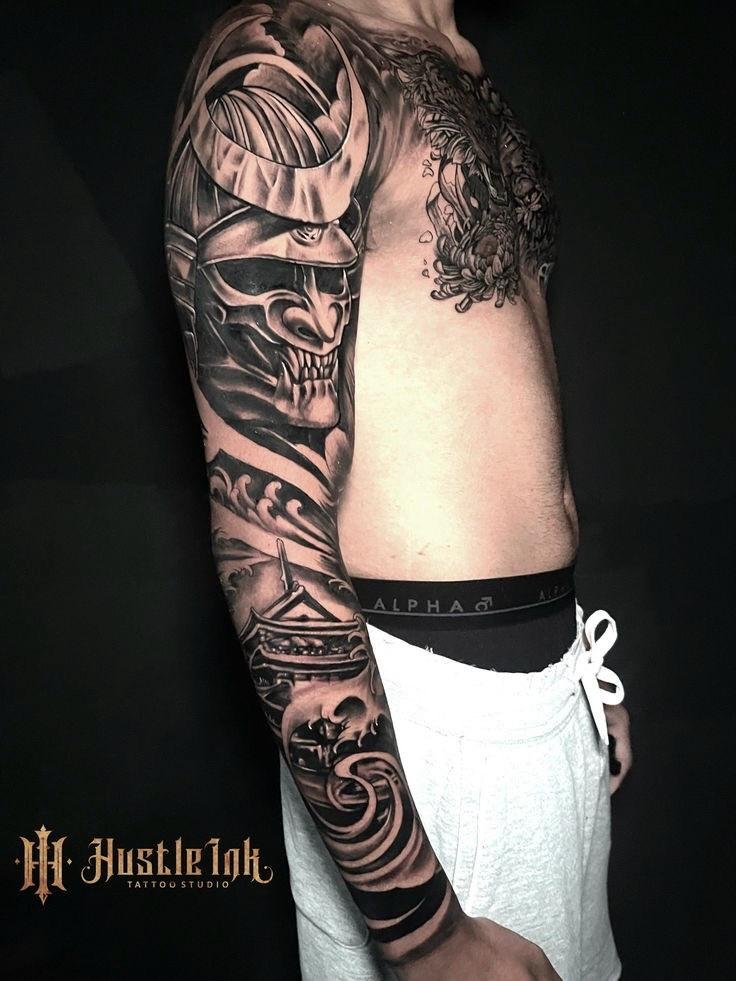
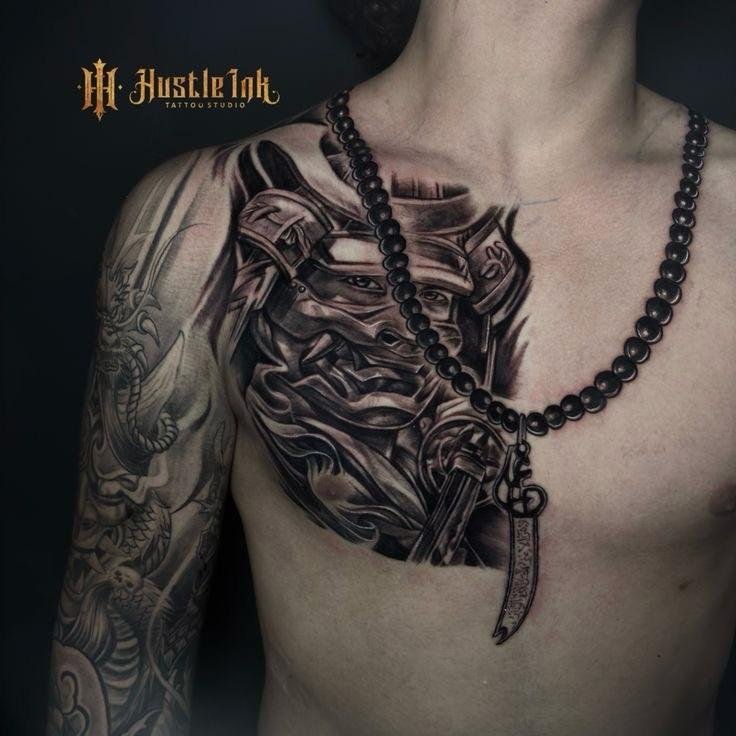
The most common and most technically established form of realism tattooing. Uses diluted black ink various concentrations to create a full tonal range from near-white highlights to dense shadows. The style is well-suited to portrait work, animal subjects, and landscape elements. It also ages more predictably than color realism, because black ink is the most stable pigment in tattooing.
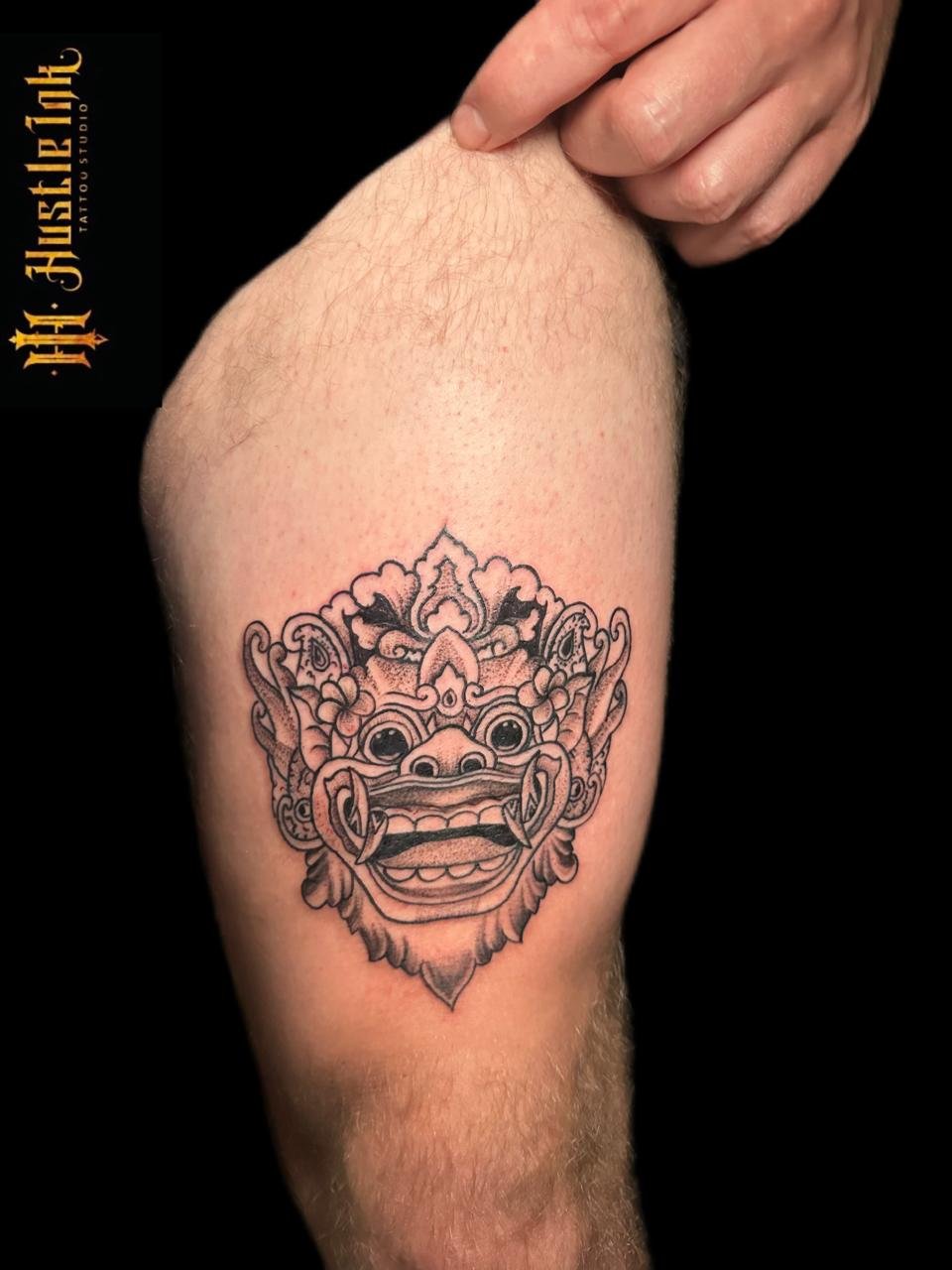
Grey wash tattooing is a softer variant of black and grey realism lighter overall tonal range, often used for softer subjects or compositions where a more delicate feel is appropriate. It requires the same tonal control as full black and grey realism but with more restraint.
Portrait realism
The most demanding application of realism technique. A portrait tattoo whether of a person, an animal, or a character requires not just tonal accuracy but compositional accuracy. The eyes need to be in the right relationship to each other. The shadows under the jaw need to work with the angle of the subject. Small errors in proportion that would be invisible in an abstract composition are immediately legible in a face.
Portrait work is where the gap between a genuine realism specialist and a generalist who includes portraits in their range is most visible. Before booking a portrait anywhere, ask specifically for healed portrait examples from the artist you’re considering.
Micro realism
A growing style that applies realism technique at very small scale detailed subjects rendered with fine needle work in a small area. Micro realism requires exceptional needle control because at small scale, there is no room to resolve tonal issues through scale. What works at 15cm becomes technically impossible at 5cm if the artist does not have single-needle precision. Not every realism artist who produces strong large-scale work can execute micro realism well.
Color realism
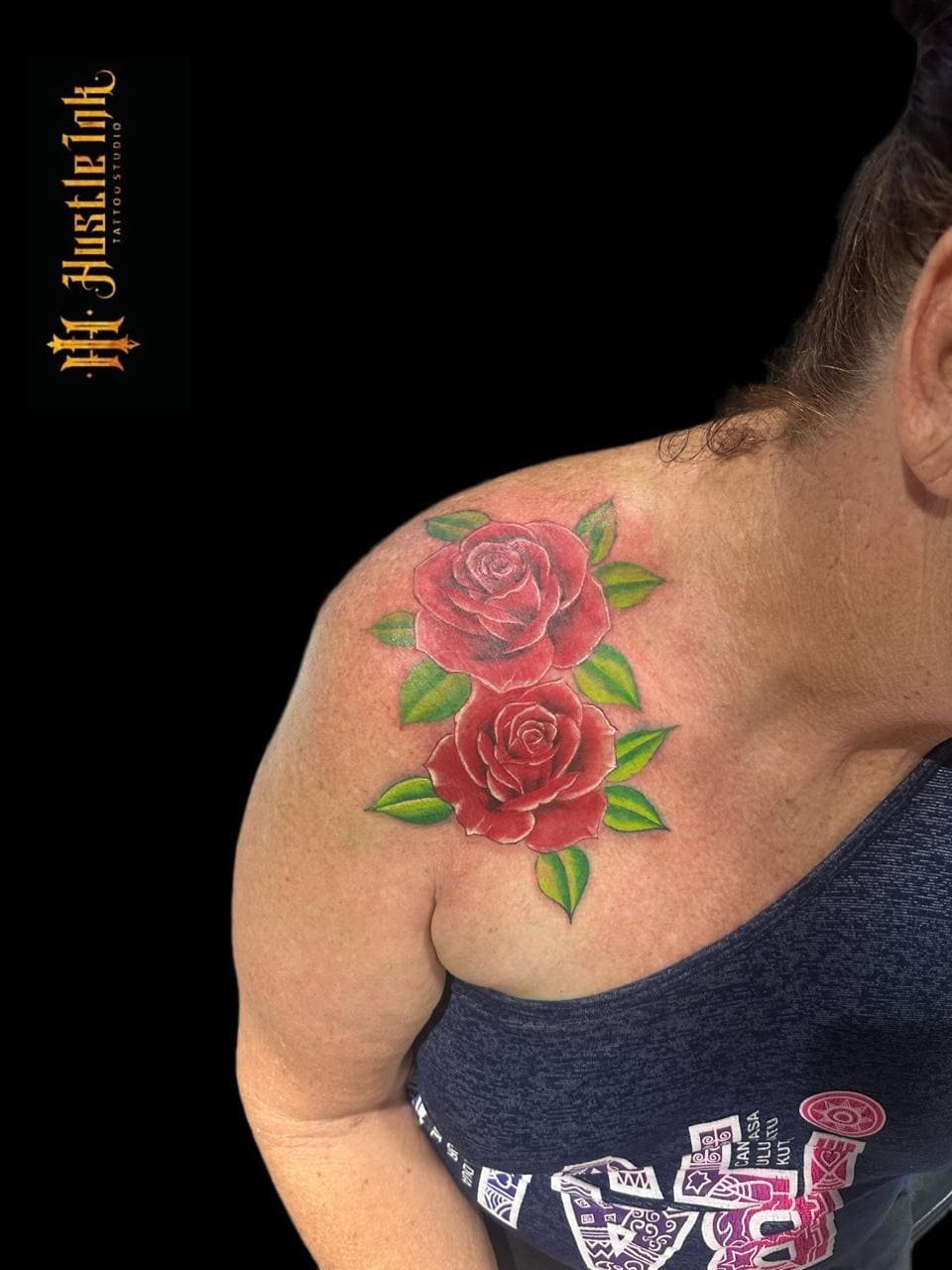
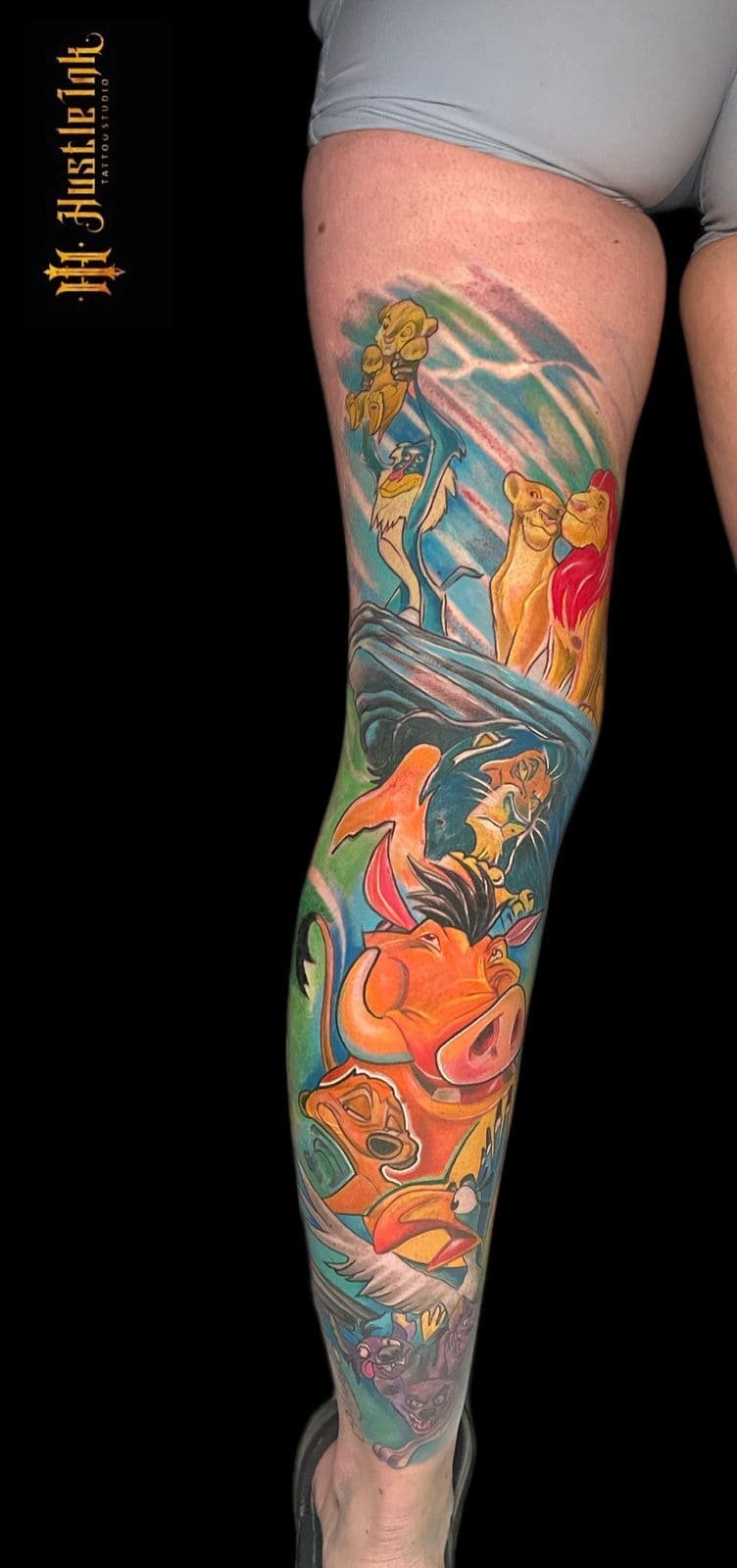
Realism executed with color ink often used for botanical subjects, vibrant animal work, or character portraits where color is a defining element. Color realism requires all the tonal knowledge of black and grey realism plus understanding of how different colored inks interact, layer, and shift during healing. Bali’s tropical climate is worth discussing with your artist before committing to a large color realism piece heat and humidity affect how certain pigments settle. For clients drawn specifically to colour realism work, our colour tattoo guide covers the pigment palette, style options, and what to expect from a colour session at Hustle Ink.
How to Evaluate a Realism Tattoo Artist in Bali
Healed work is non-negotiable
Fresh realism can look extraordinary. Ink is fully saturated, the skin has not yet begun the healing process, and the tonal relationships look exactly as the artist intended them to. The real test comes four to eight weeks later, when the skin has fully healed and the ink has settled.
Healed black and grey realism should show gradients that are still reading as continuous, highlights that have not disappeared into the surrounding skin tone, and shadows that have retained their depth. If a Bali studio’s portfolio consists primarily of fresh work photographs taken immediately after the session, that is not enough information to make a booking decision.
Ask directly: can you show me healed examples of portrait work? Or healed examples of animal realism? A confident realism specialist will have them.
Check for consistency, not highlights
Every realism artist has one or two standout pieces. What matters is whether the quality holds across the portfolio. Look at ten or fifteen pieces rather than three. Check that the tonal control is consistent across different subjects and placements. Look at pieces that are similar in subject and scale to what you want not just the best work the artist has ever produced.
Assess their approach to reference
A realism specialist will spend significant time with your reference material. They will ask about the source image quality, discuss any elements that present challenges at the scale you want, and advise if the reference is not suitable for the placement or size. If an artist looks at your reference for thirty seconds and confirms a booking without any of this discussion, that is a concern.
Realism Tattoos at Hustle Ink Legian Arok’s Speciality
At Hustle Ink Tattoo Studio, black and grey realism is handled by Arok a specialist who has been tattooing professionally since 2012, with black and grey realism as his documented primary focus throughout that time.
The distinction matters. Twelve years of focused realism practice produces a different calibre of tonal control and compositional judgment than twelve years of general tattooing with realism as one option among many. Arok’s portfolio covers portraits, animal subjects, landscape elements, and detailed tonal compositions the full range of what realism technique is applied to in practice.
His approach to portrait work in particular is worth noting for clients considering that style. He examines reference material carefully before confirming a booking, advises on sizing relative to placement, and will be direct about whether a reference image has the quality and tonal range needed to produce a strong result. Honest pre-booking feedback is a mark of a specialist who understands what the style actually requires.
For cover-up work that incorporates realism technique, Goper’s award-winning speciality in cover-up tattooing also draws on black and grey realism composition for complex transformations. The two approaches complement each other Arok for new realism work, Goper for transformative realism cover-ups.
For a full view of the team and individual portfolios, visit the tattoo artists page or the portfolio gallery.
Why Bali Is a Strong Choice for Realism Tattoo Work
Quality-to-price ratio
A multi-hour black and grey realism portrait session with an experienced specialist artist in Melbourne, Sydney, or London typically costs AUD $800–1,500 or more. The equivalent session at a comparable artist in Legian costs a fraction of that not because the quality is lower, but because studio overheads, artist wages, and cost of living in Bali are structurally different from major Western cities.
For visitors who have been considering a significant realism piece but have found the pricing at home prohibitive, Bali is a genuinely practical alternative provided you do the research to find the right artist, which this guide exists to help with.
Artist depth in the corridor
The Legian-Kuta-Seminyak corridor has a higher concentration of specialist realism artists than most cities of comparable size. The island’s tattoo scene has attracted international artists and developed local talent over twenty-plus years, and realism as one of the most technically demanding and most internationally recognised styles has drawn practitioners who are serious about the craft.
Trip context and planning
Getting a significant realism piece requires a meaningful session commitment typically three to six hours for a medium portrait, longer for larger compositions. That kind of commitment is more practical during a defined trip than it is during a regular working week at home. Bali’s natural trip structure dedicated time, the right mindset, a clear window for healing before returning suits realism work particularly well.
Pricing for Realism Tattoos in Bali
Realism is one of the more expensive styles at any reputable Bali studio, reflecting the additional session time and technical complexity involved. Here are realistic 2026 ranges for the Legian corridor:
| Piece Type | Size | Starting Price (IDR) | Approx. AUD |
| Small realism / micro | Under 8cm | IDR 1,200,000–2,000,000 | $110–$185 |
| Medium portrait / animal | 8–15cm | IDR 2,500,000–5,000,000 | $230–$460 |
| Large composition | 15–25cm | IDR 5,000,000–10,000,000+ | $460–$925+ |
| Half sleeve realism | — | IDR 10,000,000–20,000,000+ | $925–$1,850+ |
| Full sleeve | — | IDR 20,000,000–40,000,000+ | $1,850–$3,700+ |
Realism sessions typically run 20–40% longer than equivalent-size work in other styles because of the layering and blending required. This is reflected in the pricing. Always confirm session time and total price in advance rather than assuming from size alone.
For a full breakdown of tattoo pricing across all styles in Bali, see the Bali tattoo prices guide.
Aftercare for Realism Tattoos in Bali’s Climate
Realism tattoos with their layered ink density and extended session time require particular care during healing in Bali’s tropical environment.
Sun is the primary risk. UV exposure breaks down black pigment faster than any other variable. For a black and grey realism piece, even a few days of significant sun exposure during the first month of healing can visibly affect the highlights and flatten the tonal range. Keep fresh realism work covered with loose clothing or medical-grade film for at least three to four weeks.
Avoid the ocean and pools for three to four weeks. Bacteria in ocean water and chemicals in pool water both affect healing tissue. Realism pieces with their higher ink density are particularly sensitive during the early healing phase.
Plan your session early in the trip. A portrait or large realism piece benefits from at least a week of initial healing before a long flight. Book the session in the first half of your trip, not the last day.
Follow studio-specific aftercare instructions. Your artist at Hustle Ink will provide written aftercare instructions calibrated to the inks used and the specific conditions of your session. These take precedence over general advice.
For broader context on planning your tattoo trip to Bali, the complete guide to getting a tattoo in Bali covers timing, booking logistics, and aftercare in detail.
Book Your Realism Tattoo at Hustle Ink Legian
Send your reference image via WhatsApp before booking. Arok will review it and give you honest feedback on what’s achievable at your chosen scale and placement before you commit to anything.
Walk-ins are welcome when Arok is available. For portrait work or larger compositions, advance booking is strongly recommended sessions of this length require preparation time.
Ready to get a quote? Chat with us on WhatsApp or visit our studio in Legian.
Frequently Asked Questions Realism Tattoo in Bali
The right answer depends on the specific type of realism work you want. For black and grey realism portraits, animal subjects, and tonal compositions Arok at Hustle Ink Legian has been specialising in this style since 2012 with a documented portfolio of healed work. For a full guide to evaluating realism artists by their portfolio, see the best tattoo artist in Bali guide.
Small realism pieces at reputable Legian studios start from IDR 1,200,000–2,000,000. Medium portrait or animal work ranges IDR 2,500,000–5,000,000. Large compositions and sleeves are quoted individually. Realism is typically 20–40% more expensive than equivalent-size work in simpler styles due to session time and layering. See the fine line tattoo Bali guide for comparison on a different style.
Look specifically for healed work not just fresh tattoos photographed after the session. Healed black and grey realism should show continuous gradients, retained highlights, and shadow depth. Check for consistency across multiple pieces, not just the best work. Ask the artist directly for healed portraits or animal realism if these are not immediately visible in their portfolio.
Medium portrait work typically takes four to six hours. Larger compositions may require eight or more hours, potentially split across two sessions. Realism sessions run longer than equivalent-size work in other styles because of the layering process. Always confirm the expected session length when booking and allow adequate time in your trip schedule.
Black and grey realism can be an effective approach for certain cover-ups particularly where the new composition benefits from rich tonal range and deep shadows that can absorb old ink. However, not all existing tattoos are good candidates for realism cover-up. This requires a specialist consultation. Hustle Ink’s cover-up specialist Goper handles complex cover-ups using blackwork and realism technique. See the black and white tattoo Bali page for more on the style.
High resolution and strong tonal contrast in the original photograph produce the best results. A reference with clear separation between light and shadow areas gives the artist the most information to work with. Very low resolution images, heavily filtered photos, or images with flat even lighting are not ideal starting points for portrait realism your artist will advise on whether your reference needs adjustment before the session.
The main risk is UV exposure direct sun on a fresh realism piece during the first four weeks can visibly affect the highlights and tonal range. Ocean water and pools should be avoided for three to four weeks. Bali’s humidity is generally beneficial for healing compared to dry climates. Plan your session in the first half of your trip to allow adequate healing time before flying home.