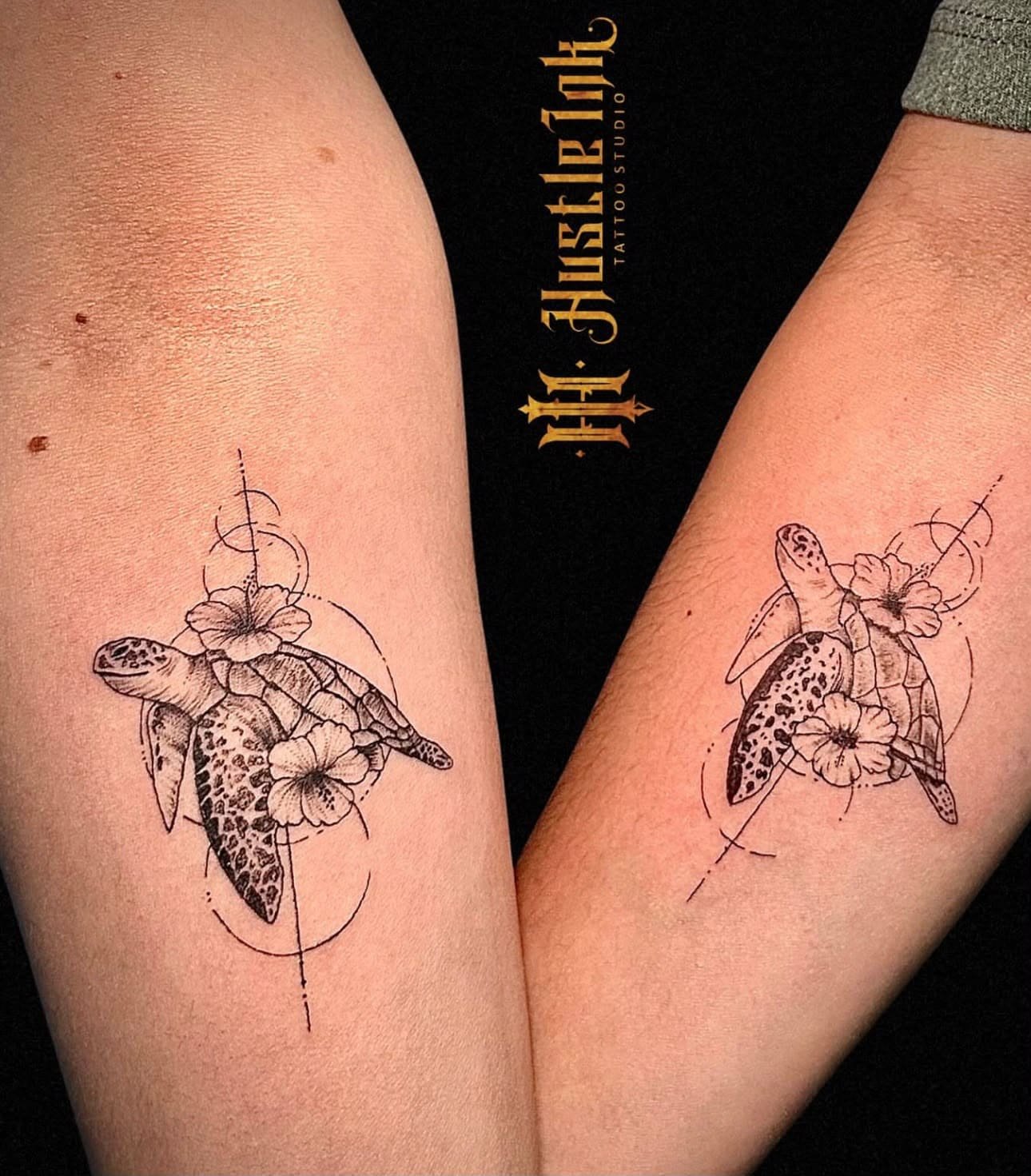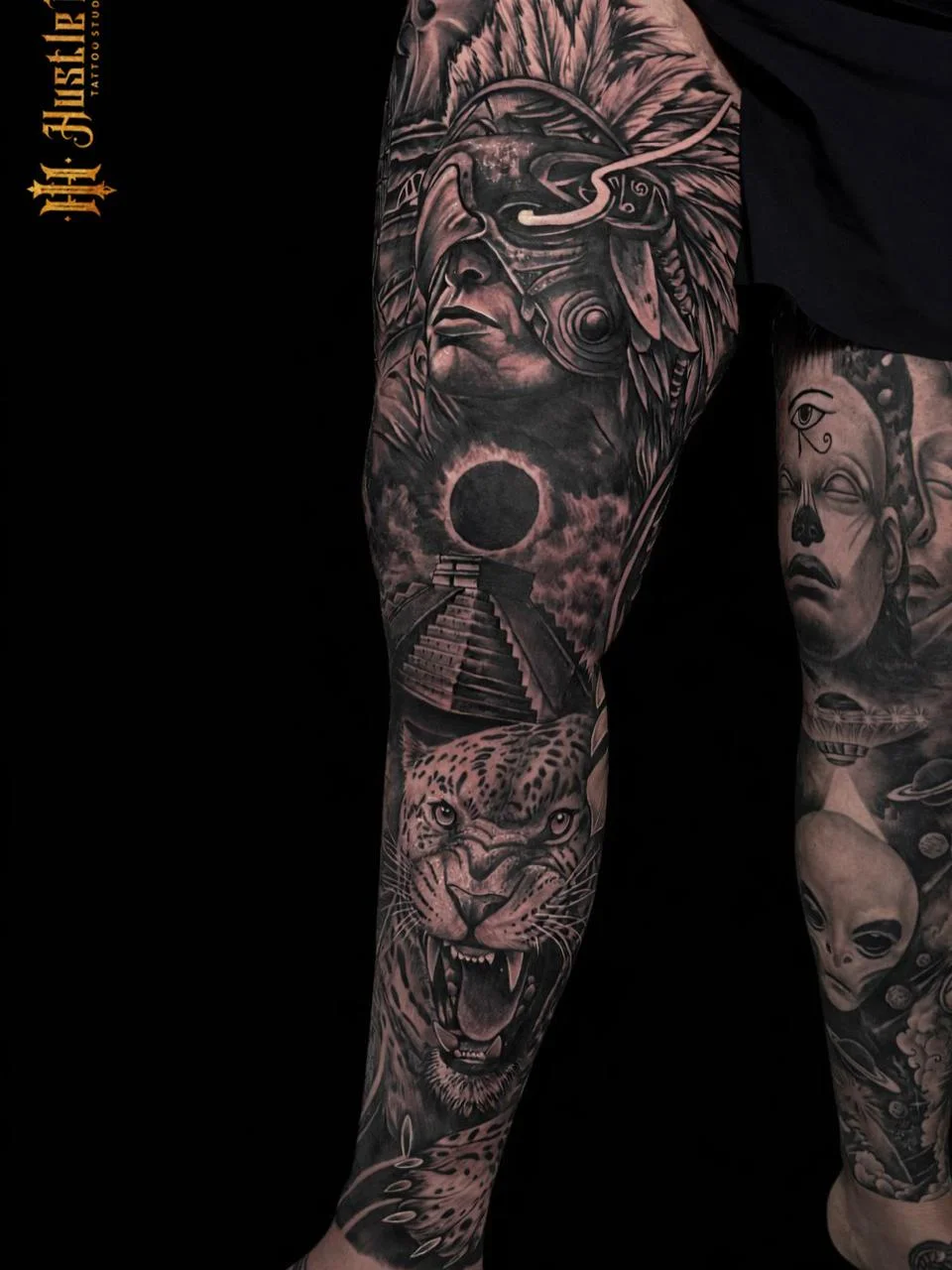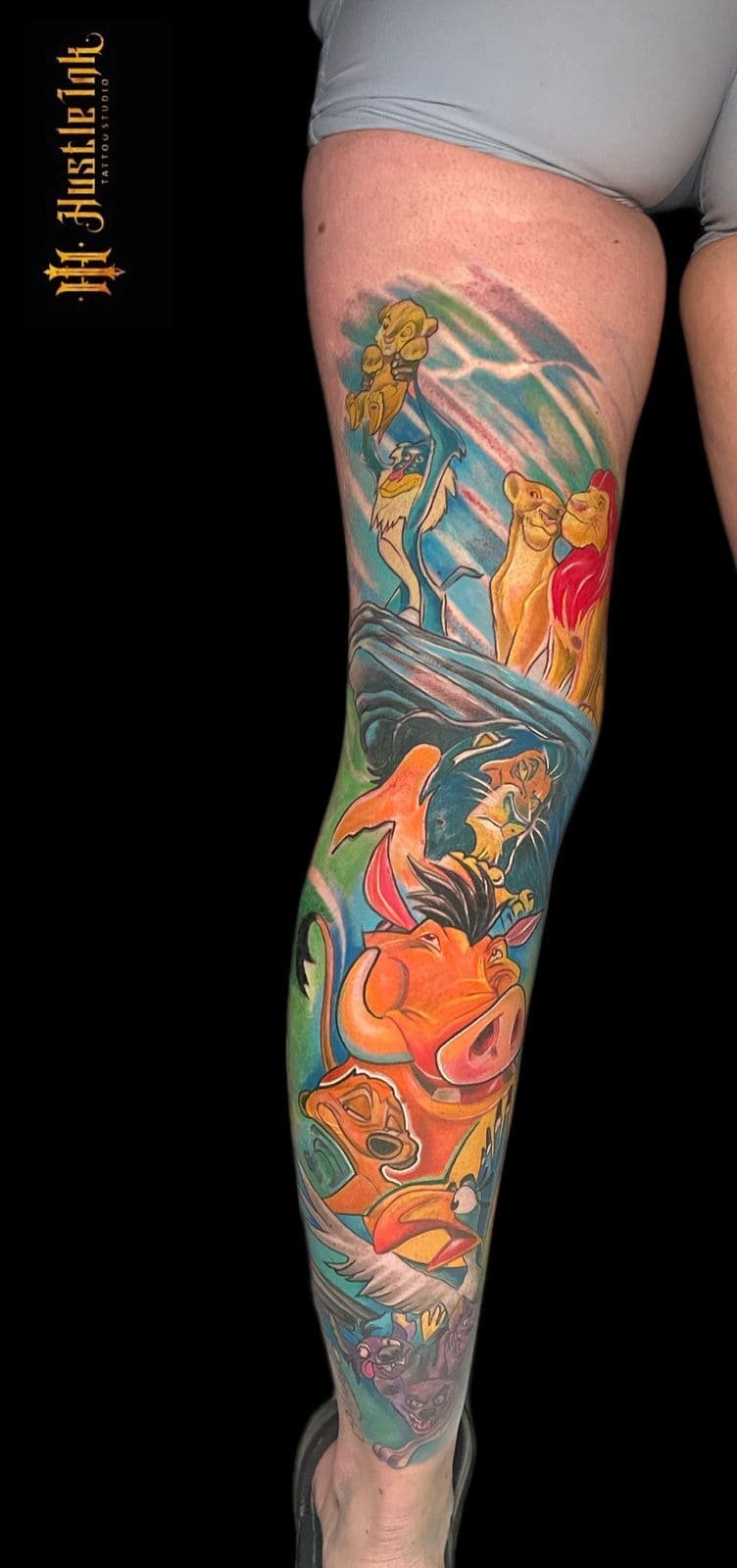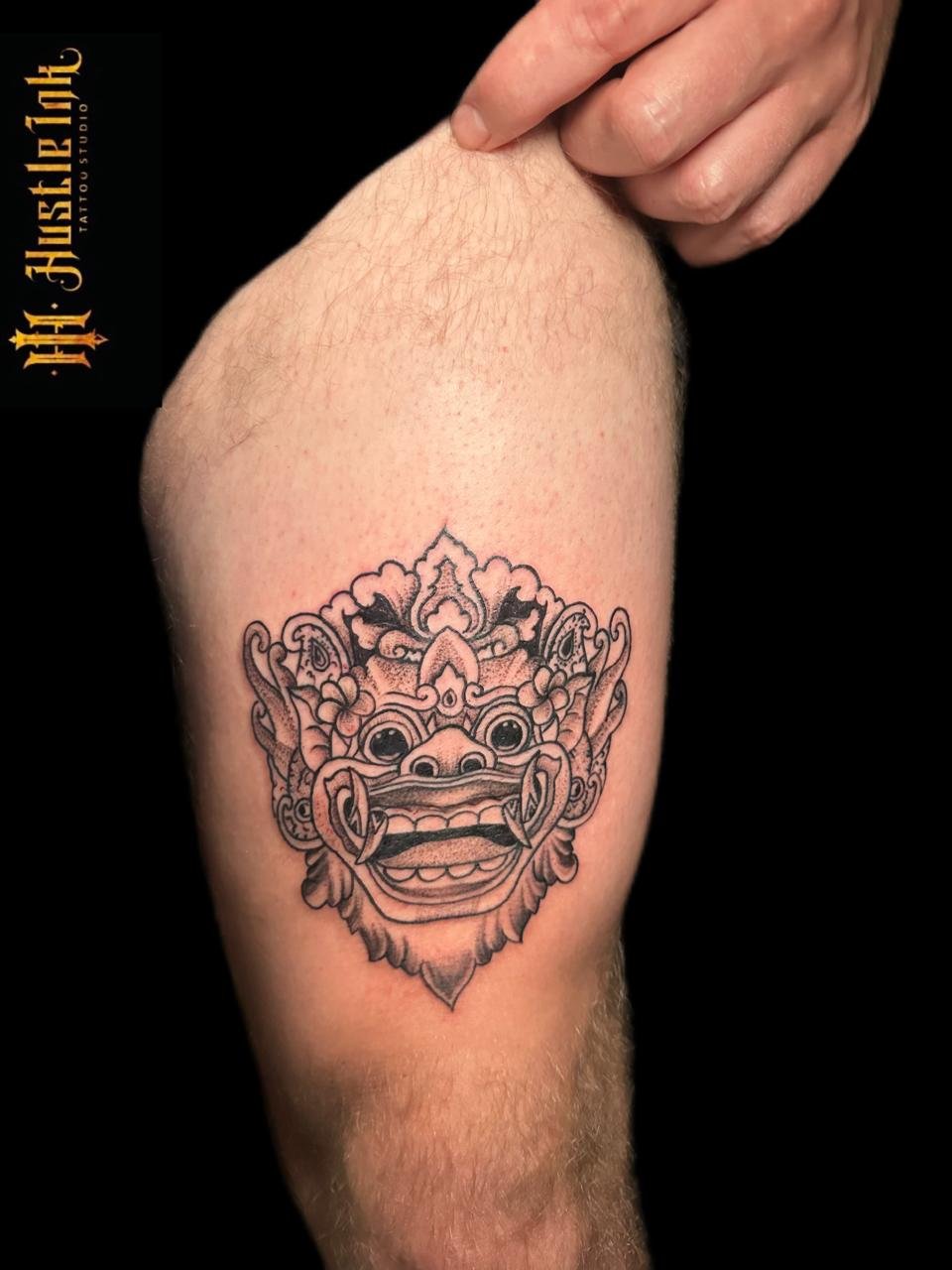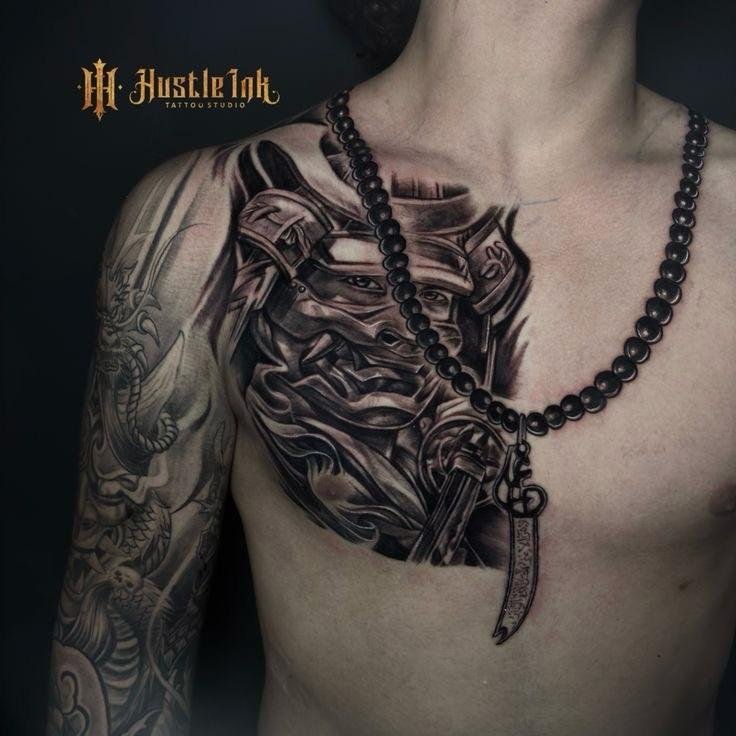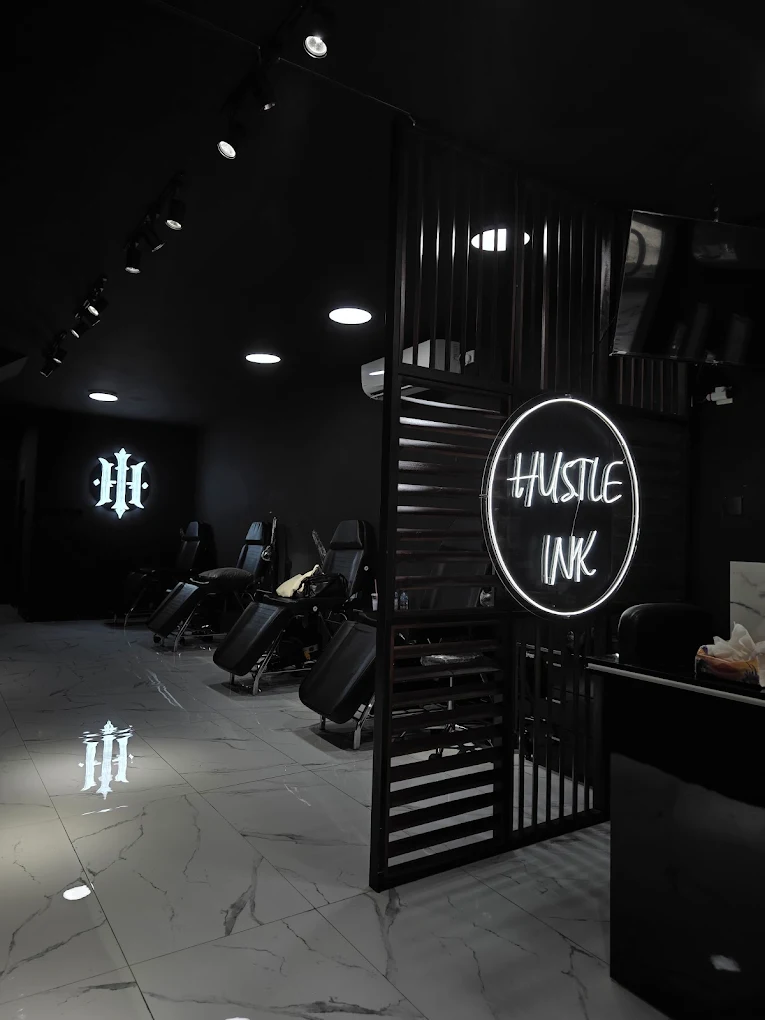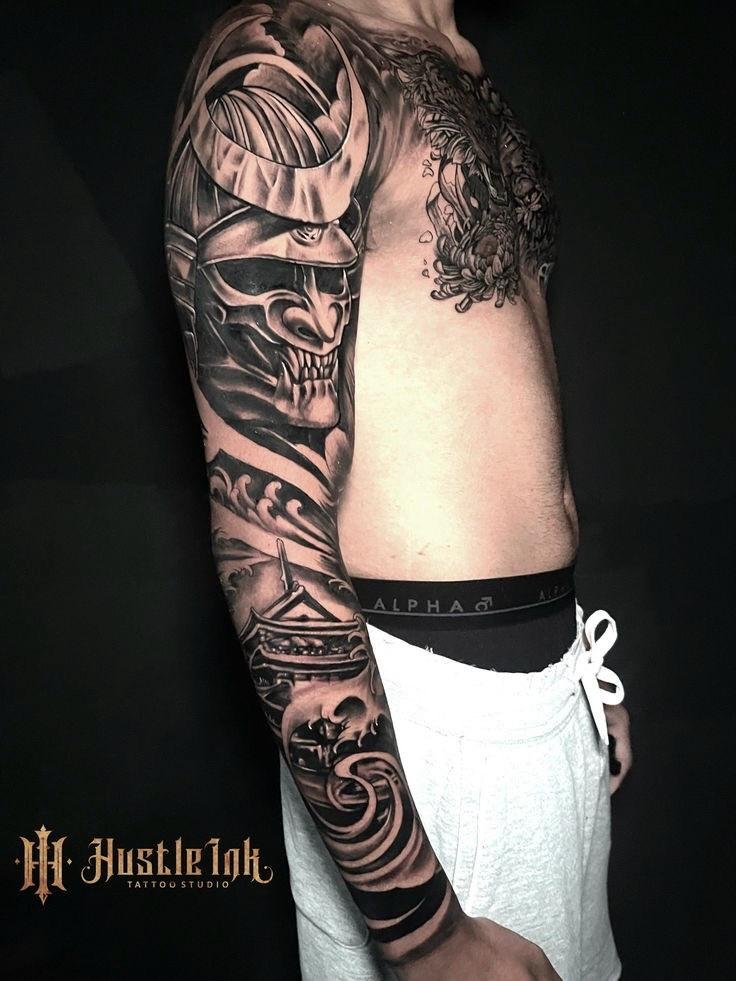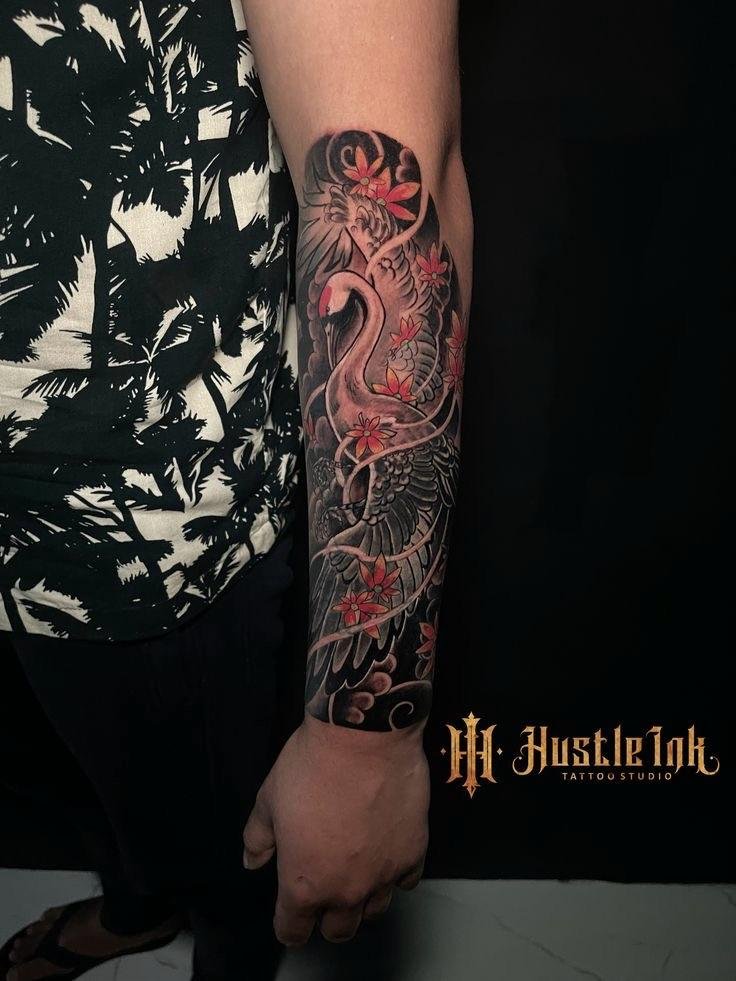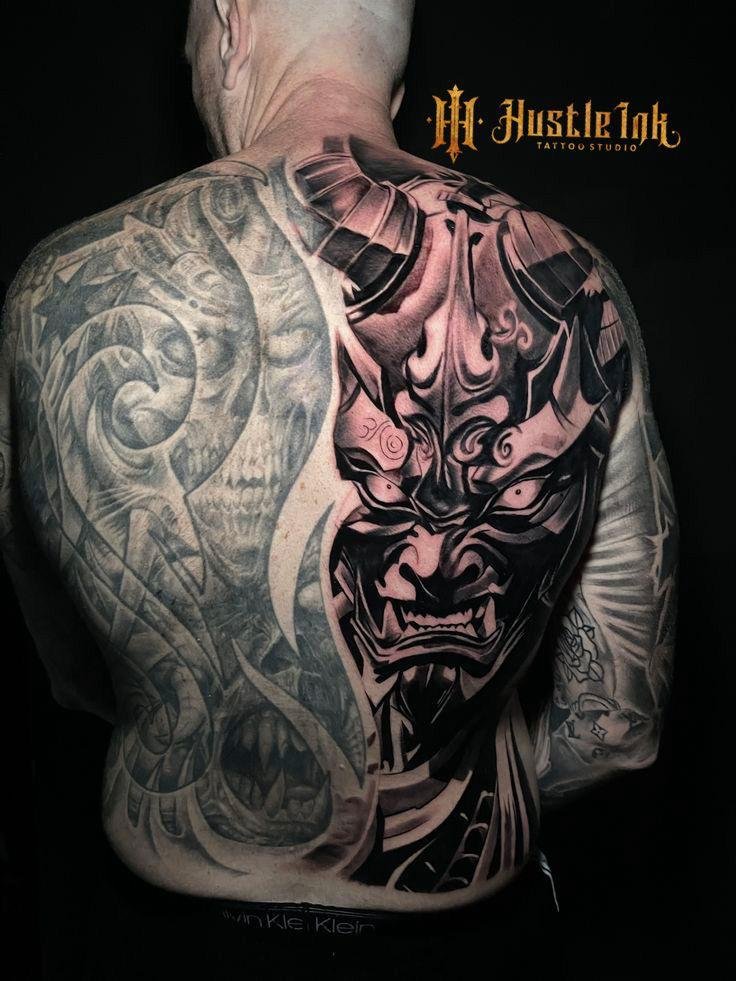
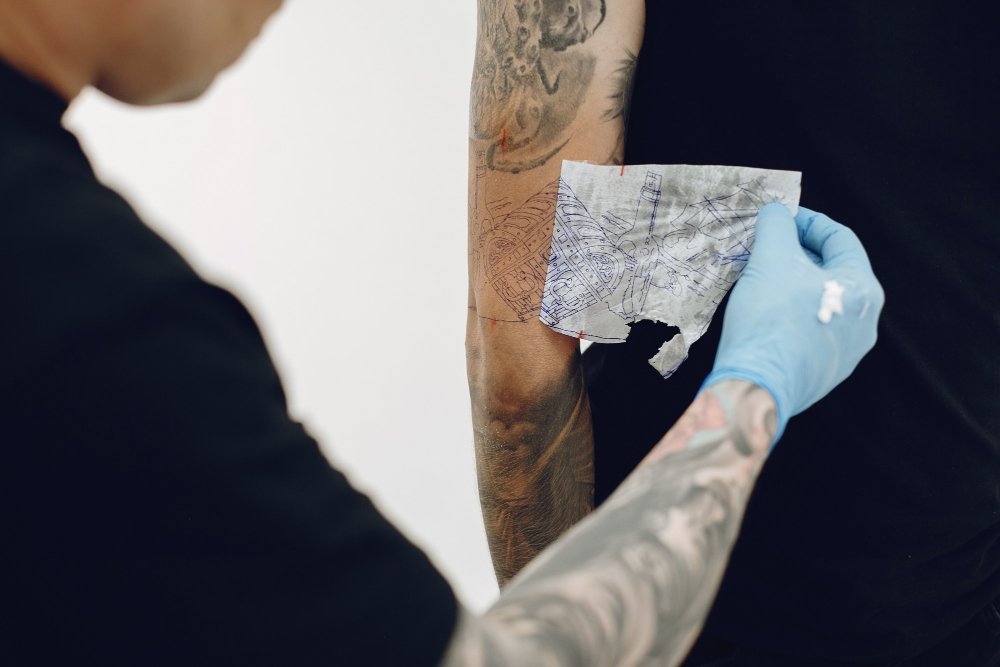
The short answer is yes but with an important qualifier: at the right studio.
Getting a tattoo involves breaking the skin, which means hygiene standards are not optional. In Bali, as anywhere in the world, the safety of your tattoo experience depends almost entirely on which studio you choose. A reputable studio in Legian that follows proper hygiene protocols is as safe as a reputable studio in Sydney or London. A walk-in shop on the Kuta tourist strip with minimal visible hygiene practices is a different matter.
This guide is not going to tell you “Bali is safe” or “Bali is dangerous” as a blanket statement because neither is accurate. What it will do is give you the specific things to check before you book, the genuine risks and how to avoid them, and what a proper hygiene setup looks like so you can verify it yourself before any ink touches your skin.
It’s written by the team at Hustle Ink Tattoo Studio Legian Jl. Raya Legian No.165, 130+ five-star Google reviews, with hygiene standards we’re happy to walk through with any client before the session starts.
The Real Risks Honest Assessment
Before getting into what to look for, it’s worth being honest about what the actual risks are. They’re not mysterious, they’re the same risks that exist with tattooing anywhere in the world, and they’re all preventable.
Blood-borne infection
The primary risk in any tattooing scenario is the potential transmission of blood-borne pathogens hepatitis B, hepatitis C, or HIV through contaminated needles or equipment. This risk is effectively zero at any studio that uses single-use, sealed needles opened in front of you and single-use ink caps.
The risk is not zero at studios that reuse needles, dip needles back into shared ink bottles, or use equipment that cannot be verified as sterile. These practices exist in some low-end walk-in shops anywhere in the world not just Bali.
Bacterial infection
Fresh tattoos are open wounds. Bacterial infection during healing comes from contaminated equipment, contaminated ink, or post-session exposure to bacteria (ocean water, dirty hands touching the piece). A reputable studio reduces the first two risks to near-zero. Post-session hygiene is your responsibility.
In Bali’s tropical environment, the post-session period requires more attention than in cooler climates the combination of heat, humidity, and ocean access creates more opportunities for bacterial exposure. This is why the tattoo aftercare Bali guide exists as a standalone resource.
Allergic reaction to ink
Rare, but possible anywhere in the world. Red and certain colored inks have higher rates of allergic reaction than black ink. A reputable studio uses quality inks from established brands not low-cost alternatives where ingredient quality is unknown.
Poor quality work the most common “risk”
The most common negative outcome from getting tattooed in Bali is not infection it’s a tattoo that doesn’t look as good as expected. This is caused by an artist who doesn’t have the skill for the style requested, and it’s preventable with thirty minutes of portfolio research before booking.
What Safe Tattooing Looks Like The Checklist
These are the non-negotiable standards at any reputable tattoo studio anywhere in the world. You can verify all of these yourself before the session starts in fact, you should.
Single-use needles, opened in front of you
Needles should come in individually sealed, sterile packaging. The artist should open the packaging in front of you at the start of the session. You should be able to see the expiry date on the packaging.
At Hustle Ink, sealed needle packaging with visible expiry dates is standard and multiple client reviews specifically mention seeing this done. If a studio can’t show you sealed needle packaging being opened, leave.
Single-use ink caps
Ink should be poured into individual single-use plastic caps for your session not dipped directly from a shared bottle. Once your session is over, those caps should be discarded. This prevents cross-contamination between clients.
Autoclave or single-use for all reusable equipment
Any equipment that touches your skin and can’t be made single-use grips, tubes in older machine setups should be sterilised in an autoclave between clients. Modern cartridge machine setups (which reputable studios increasingly use) eliminate most reusable contact points because the cartridge is single-use.
Nitrile gloves changed between procedures
The artist’s gloves should be new for your session. If the artist touches anything non-sterile during the session (a phone, a door handle), they should change gloves before continuing.
Clean, organised workspace
The work area should look like a clinical environment not a comfortable mess. Surfaces should be covered with disposable barrier film. Equipment should be laid out clearly. There should be a sharps disposal bin visible.
Professional consultation before booking
An artist who asks about your design, placement, and sizing before agreeing to a session is demonstrating professional standards. An artist who books you for any design at any size without discussion is showing you something about their approach.
Red Flags When to Walk Away
These are the signals that should make you reconsider immediately:
Needles not opened in front of you. This is the most important one. If you can’t see a sealed needle being opened for your session, you don’t know what’s been used before.
Ink being dipped from a shared bottle. Cross-contamination risk between clients.
No visible hygiene setup. If you walk into a studio and can’t see needle packaging, ink caps, gloves, or any evidence of a clinical setup ask. A studio with nothing to hide will show you immediately.
Pressure to book immediately. Reputable studios have bookings because of their quality. High-pressure tactics to get you to commit on the spot are a signal about the studio’s approach to client relationships generally.
No consultation. Any studio that agrees to tattoo any design at any size without asking a single question has not thought about whether they’re the right match for what you want.
Significantly below-market pricing. The cheapest option in Bali is cheap for a reason. Equipment costs quality needles, inks, disposable supplies are not trivial. A studio offering prices well below the market floor is cutting something.
Is Bali Specifically More Risky Than Other Countries?
No not for tattooing at reputable studios. The safety of your experience is a function of studio standards, not country.
The safety variable in Bali is the same as anywhere: the range of studio quality is wide, from genuinely excellent to genuinely concerning. Bali’s tourist economy means there are more walk-in shops catering to visitors who won’t be around long enough to see whether the work holds up or whether a hygiene issue develops which creates some incentive for cutting corners at the lower end of the market.
The counterpoint is that Bali’s best studios have built their reputations on international clientele who research thoroughly, share experiences publicly (Google reviews, travel forums, social media), and return for multiple sessions when the experience is good. Studios like Hustle Ink have 130+ five-star reviews specifically because Australian, UK, and US clients hold them to the same standards they’d apply at home.
The practical conclusion: the risk in Bali is not higher than at home if you do the same research you’d do when choosing a studio at home. Most people choosing a tattoo studio in Sydney or Melbourne spend thirty minutes on Google, look at portfolios, and read recent reviews. Do the same in Bali and the risk profile is comparable.
What Hustle Ink’s Hygiene Standards Look Like in Practice
At Hustle Ink Legian, here is what happens at every session:
- Sealed needle cartridges or needle packages with visible expiry dates are opened in front of the client at the start of every session
- Ink is poured into individual single-use caps never dipped from a shared bottle
- The work surface is covered with fresh disposable barrier film for each client
- Nitrile gloves are worn throughout and changed if contact with non-sterile surfaces occurs
- Sharps disposal follows proper medical waste protocols
- The studio is cleaned between clients
This is not a promotional claim it is standard professional practice, and it’s what multiple independent client reviews describe specifically. For professional piercing, the same standards apply. See piercing Bali for more on piercing-specific hygiene.
How to Verify Safety Before You Book
You don’t have to take any studio’s word for their hygiene standards. Here is how to verify before you commit:
Read reviews that mention hygiene specifically. Generic 5-star reviews are less useful than ones that say “they showed me the sealed needles” or “equipment was sterile with visible expiry dates.” Search for these specifically in the studio’s Google reviews.
Ask directly when you make contact. A simple WhatsApp message “can you tell me about your hygiene standards?” will get you a response that tells you something. A studio confident in its practices will answer clearly and specifically. Deflection or vague responses are a signal.
Visit the studio before booking if possible. Five minutes in person tells you more than ten minutes of online research. Look at the workspace, observe the setup, ask to see where needles and supplies are stored.
Check for certifications or visible compliance materials. Some Bali studios post their health department compliance documentation. This is a positive signal, though absence of visible paperwork doesn’t necessarily indicate a problem.
For a guide to evaluating studios more broadly artist quality, style matching, portfolio evaluation see the best tattoo shops in Bali guide.
Book at Hustle Ink And Ask Us Anything Before You Do
If you have questions about hygiene standards, equipment, or what to expect before booking, WhatsApp the team directly. We’re happy to walk through our setup before you commit to anything.
Walk-ins welcome daily or book ahead for specific artists.
View individual artist portfolios at the tattoo artists page before booking.
For planning the full tattoo experience in Bali timing, aftercare, what to bring see the complete guide to getting a tattoo in Bali.
Frequently Asked Questions Tattoo Safety in Bali
Yes, at a reputable studio that follows proper hygiene protocols. The safety of your experience depends on the studio, not the country. What to verify: single-use needles opened in front of you, ink poured into individual caps (not from a shared bottle), visible sterile equipment with expiry dates. Hustle Ink at Jl. Raya Legian No.165 meets these standards and has 130+ five-star Google reviews from international clients who specifically mention hygiene standards.
The primary risks are the same as anywhere: blood-borne infection from contaminated needles (effectively zero at reputable studios using single-use equipment), bacterial infection during healing (manageable with proper aftercare), and allergic reaction to ink (rare, applies globally). The most common negative outcome is poor quality work preventable by choosing a specialist artist whose portfolio matches your style.
Check reviews that specifically mention hygiene — not just general satisfaction. Ask the studio directly about their equipment standards before booking. When you arrive, verify that needles are opened from sealed packaging in front of you and that ink is poured into individual caps. If a studio can’t or won’t show you these things, leave.
At reputable studios, yes. Single-use needle cartridges or packages with visible expiry dates are the standard at quality Bali studios. Walk-in shops at the lower end of the market are less predictable which is why studio selection matters so much.
The risk of blood-borne disease transmission from tattooing at a reputable studio using single-use sterile needles is effectively zero. The risk exists in any context Bali or otherwise where needles are reused or sterilisation practices are inadequate. This is why verifying hygiene standards before the session is essential, regardless of which country you’re in.
Clean the area gently with mild soap and water. Do not apply alcohol or peroxide. If you see thick yellow or green discharge, increasing swelling and warmth spreading beyond the tattoo, or fever — consult a doctor. In Bali, BIMC in Kuta is the most accessible clinic for international visitors. After returning home, see your GP if symptoms develop. For context on how Bali compares to getting tattooed at home, see the tattoo prices Bali vs Australia guide.
Hustle Ink Tattoo Studio Jl. Raya Legian No.165, Legian, Kec. Kuta, Kabupaten Badung, Bali 80361 Open daily — Mon–Fri 09:00–21:00 | Sat–Sun 10:00–22:00 WA: +62 812 2525-2698 | hustleinktattoo.com