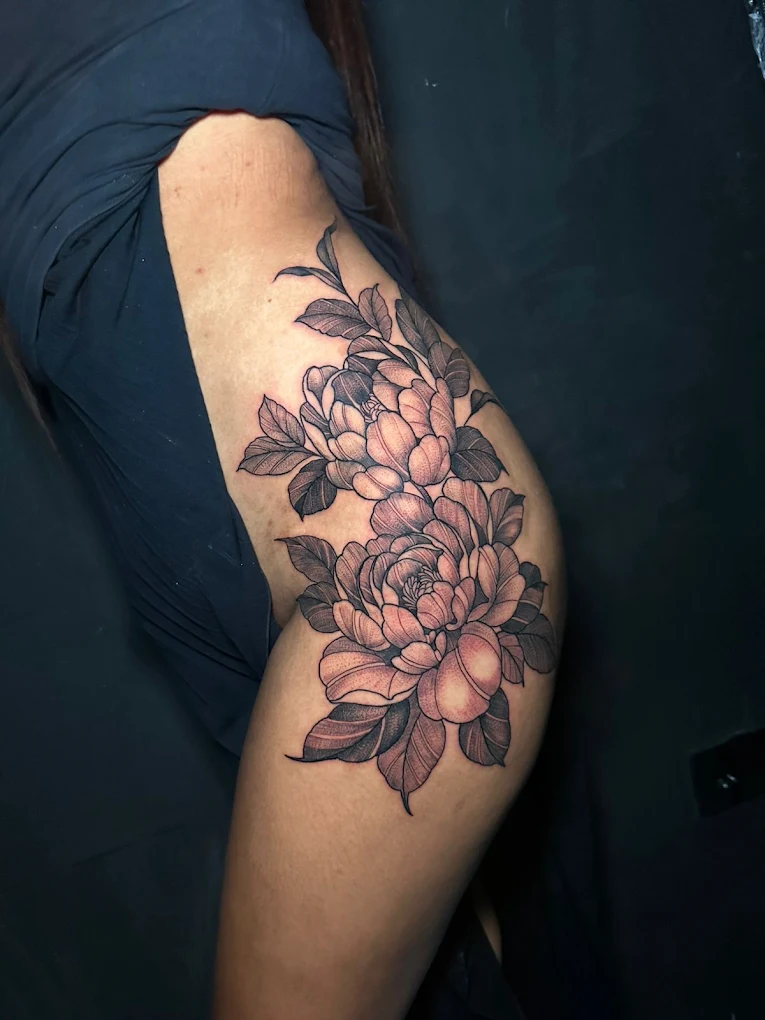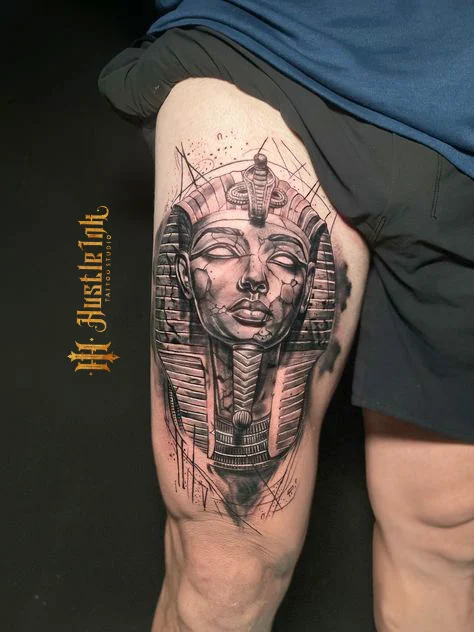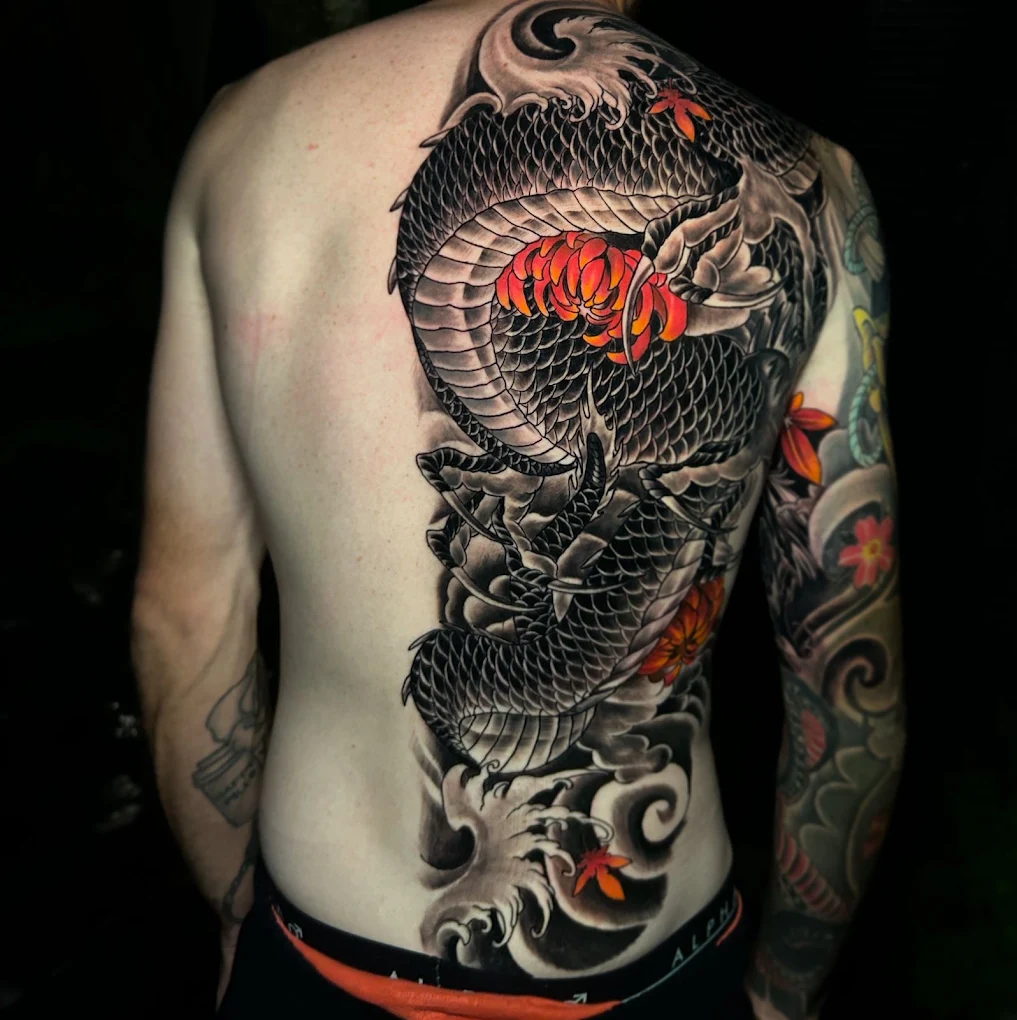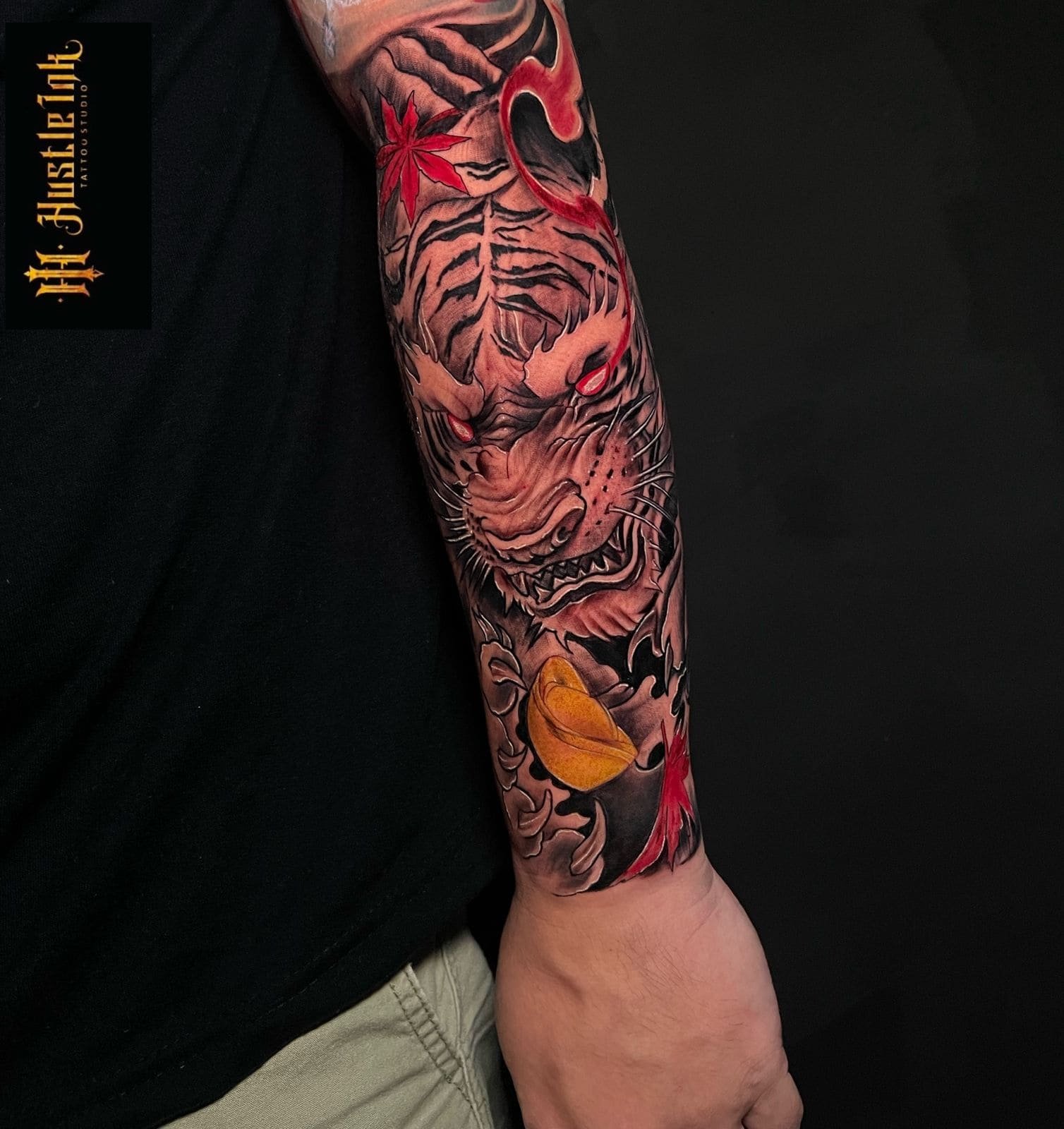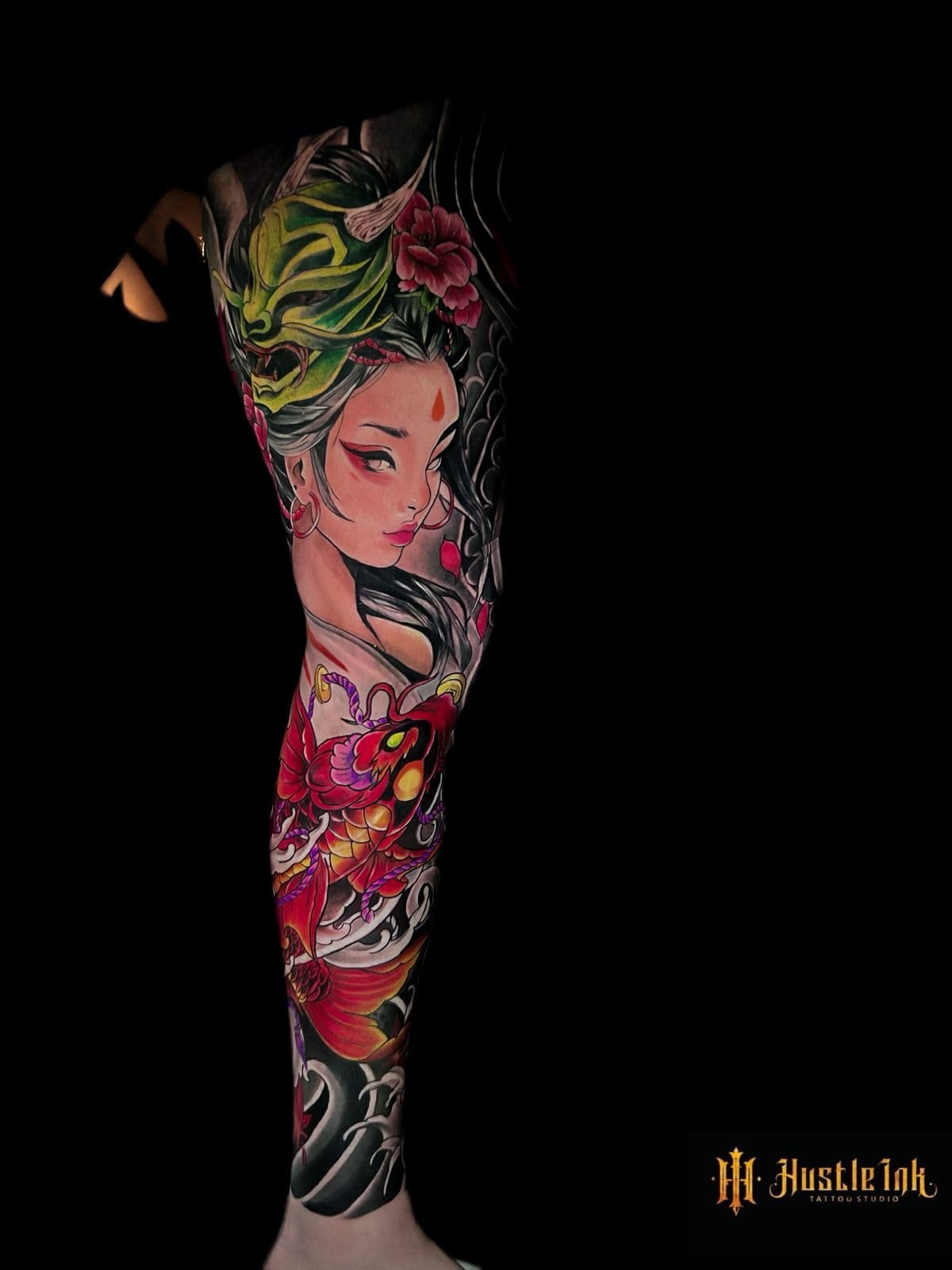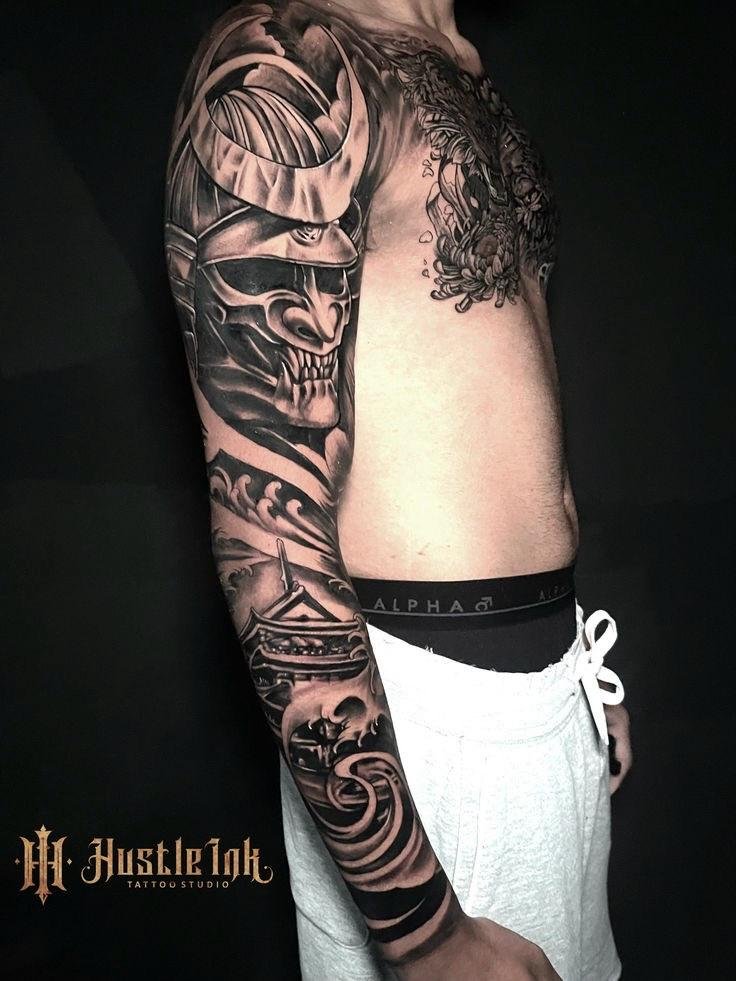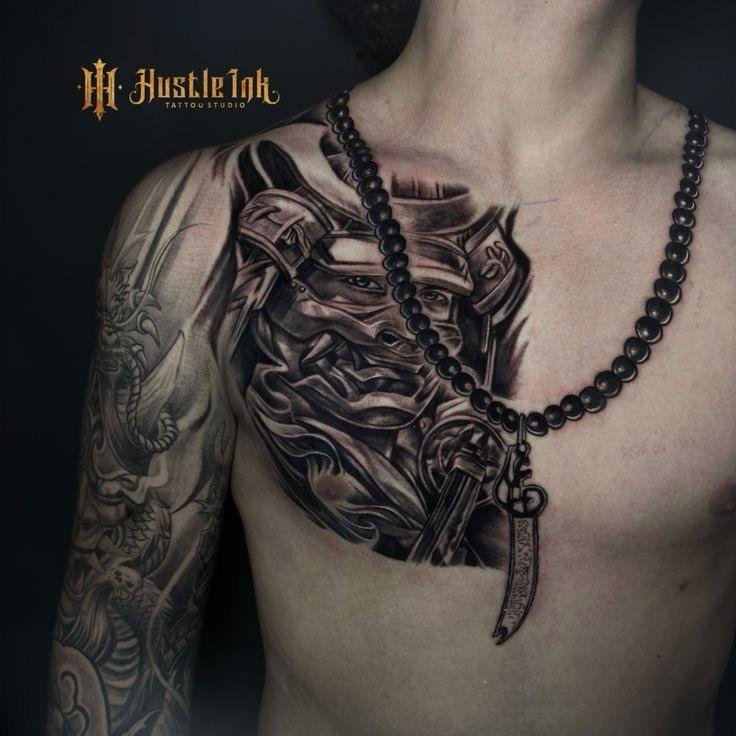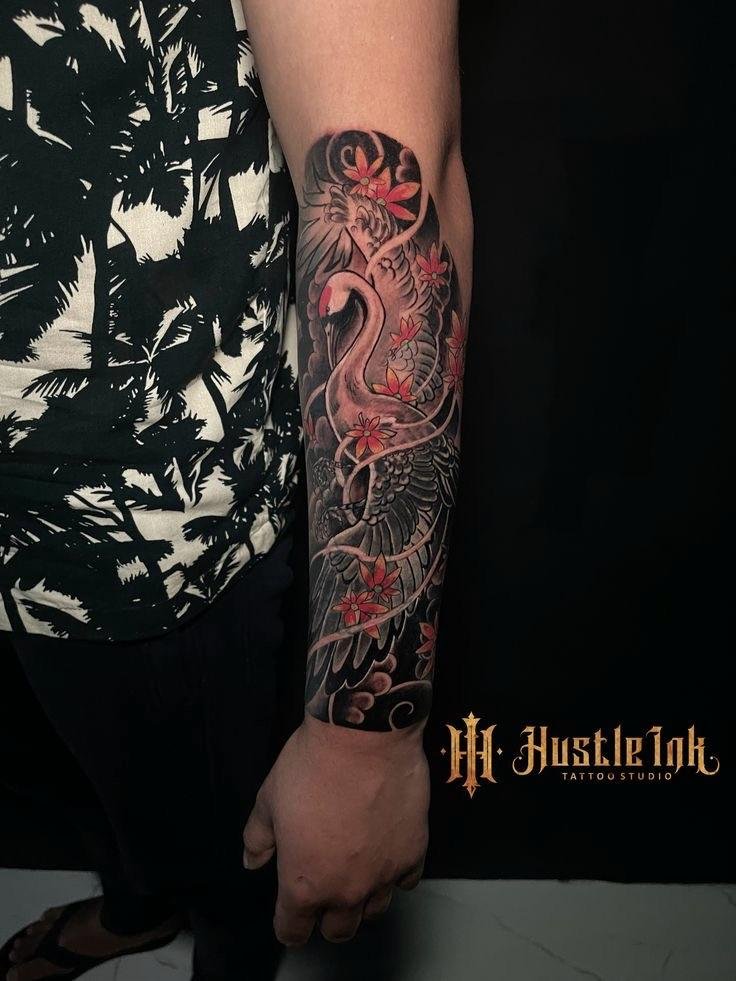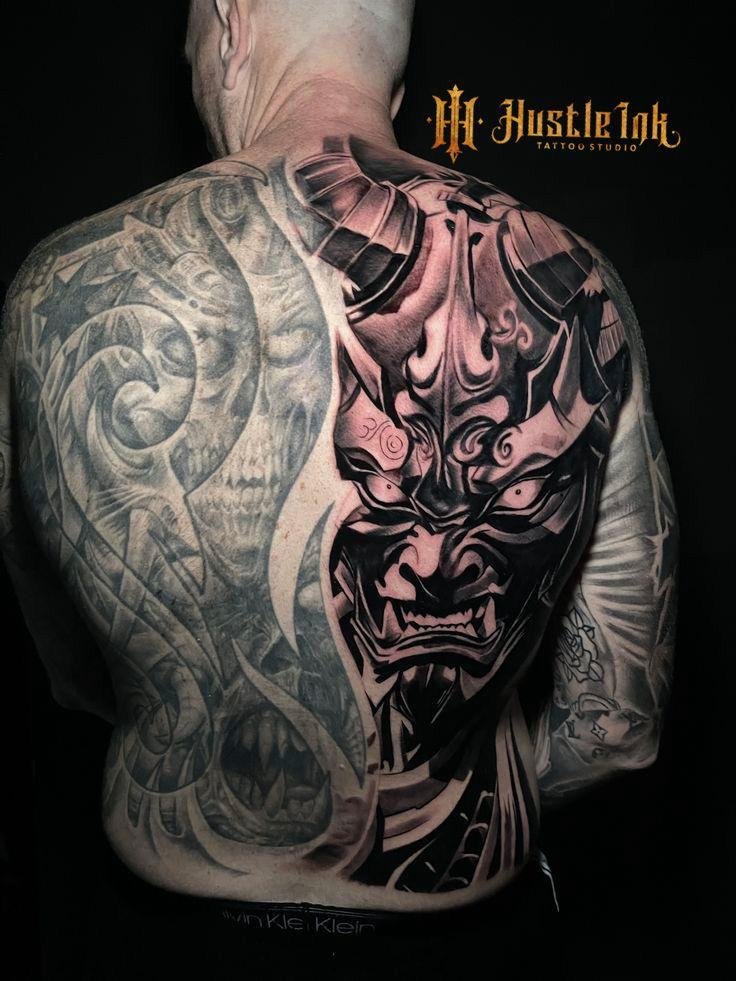
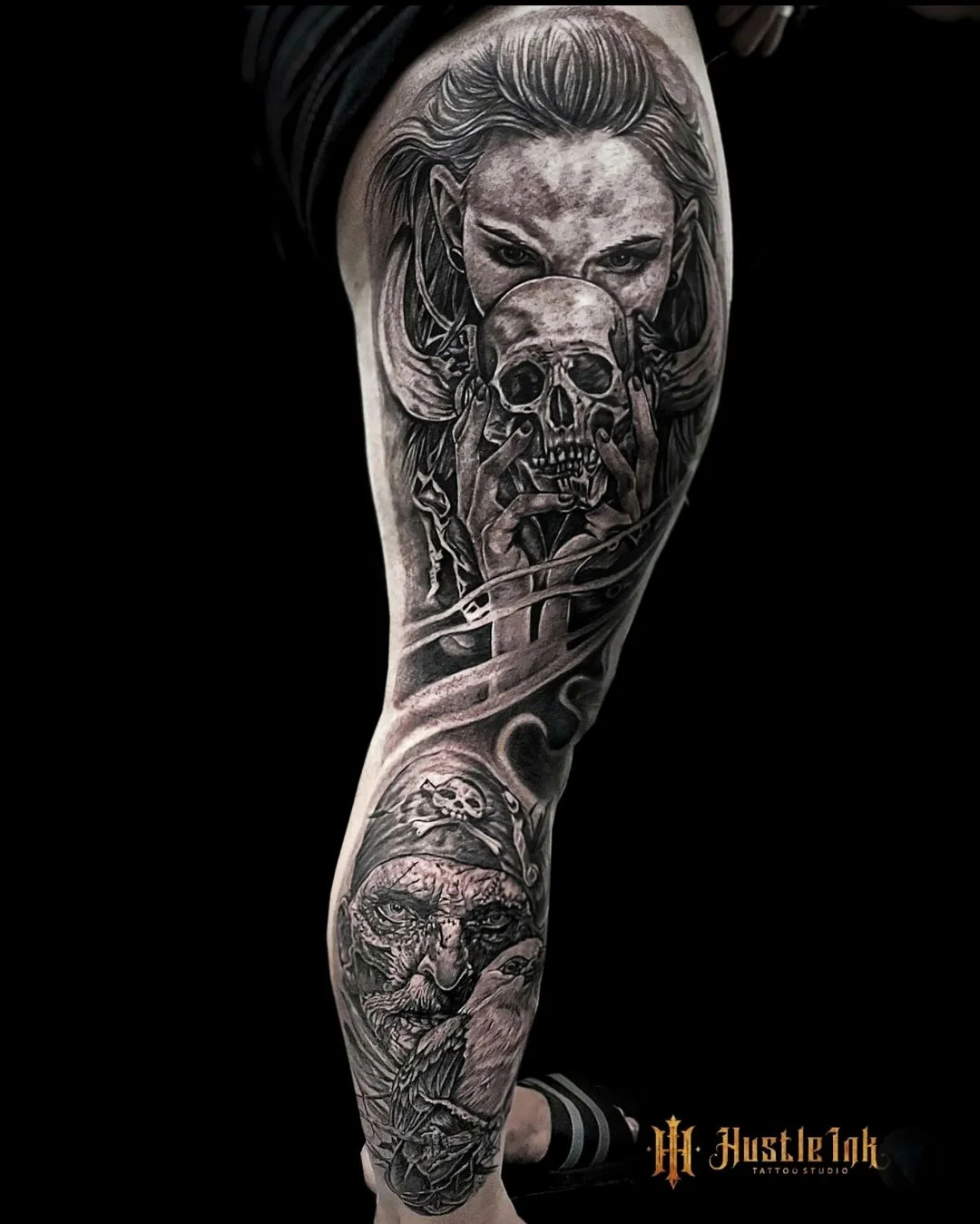
Black and grey is the most technically demanding tattoo style and Bali has an unusually strong concentration of artists who do it well. Portrait realism, wildlife, fine shading, and large-format black and grey work are among the most requested styles at serious studios across Legian, Kuta, and Canggu.
The appeal for international visitors is straightforward. A high quality black and grey realism piece that costs AUD $1,500-3,000 at a reputable studio in Sydney or Melbourne typically costs AUD $500-1,200 at a comparable studio in Bali. For large pieces back panels, chest work, full sleeves the difference is significant enough to plan a trip around.
The critical qualifier: black and grey realism shows poor technique more visibly than almost any other style. Shading that looks correct at first degrades quickly on artists who don’t understand skin depth. Choosing the right artist is not optional it’s the whole decision.
This guide covers what black and grey tattooing involves technically, what subjects work best, what to look for when evaluating an artist’s portfolio, and what to expect from the process in Bali.
What Black and Grey Tattooing Actually Is
Black and grey tattooing uses black ink diluted to various concentrations to create the full tonal range from deep shadow to near-white skin. No colour is used. The composition relies entirely on contrast, shading gradients, and line work to create depth and form.
The style divides into two broad approaches:
Realism photographic-quality rendering of a subject. Portrait realism, animal realism, nature scenes. The goal is a result that reads like a photograph or a detailed pencil drawing. This requires the most technical precision of any tattoo style.
Illustrative black and grey stylised subjects rendered in black and grey without aiming for photographic accuracy. Neo-traditional subjects, floral work, ornamental designs, geometric compositions. More room for artistic interpretation; less demanding technically, though still unforgiving of poor shading.
Most clients requesting black and grey in Bali are after one of these two approaches. Knowing which applies to the specific piece helps narrow the artist selection considerably.
Why Black and Grey Works Particularly Well in Bali
Three factors make black and grey a strong choice for tattooing in Bali specifically.
Healing in tropical heat. Black ink heals more predictably than colour in high-UV, high-humidity environments. Colour pigments particularly reds and yellows are more sensitive to sun exposure during healing. Black and grey pieces, properly cared for, settle consistently in tropical conditions.
Long-term longevity on tanned skin. Black contrast reads strongly against tanned skin. Many visitors to Bali arrive with existing tans or acquire one during the trip. Black and grey work maintains legibility and contrast on darker skin tones better than lighter colour palettes.
Artist depth in the style. Bali has a disproportionately large pool of artists who specialise specifically in black and grey and realism. The style has strong roots in the local tattoo scene, and the concentration of serious practitioners is higher than in most comparable markets.
Popular Subjects for Black and Grey Work
Portrait Realism
The most technically demanding application. Human portraits family members, icons, conceptual faces require an artist who can render skin texture, hair, and eye detail convincingly at scale. Portrait work in black and grey shows flaws in shading immediately: flat areas, overworked skin, incorrect transitions.
Portrait realism suits large placements upper arm, thigh, back panel, chest. Scale gives the artist room to work with detail.
Wildlife and Animal Realism
Lions, wolves, eagles, koi in black and grey, tigers, bears. Animal realism is among the most requested subjects in Bali’s black and grey scene. The texture variation in fur, feathers, and scales makes animal work an ideal vehicle for demonstrating shading range.
Geometric and Ornamental
Mandala work, sacred geometry, ornamental patterns in black and grey. Less dependent on photographic shading — more reliant on line precision and symmetry. A different technical demand from realism; not all realism artists excel at geometric work and vice versa.
Sleeve and Large Format
Black and grey sleeves are the single most common large-format request at Bali studios from international visitors. A full sleeve in black and grey typically takes 15–25 hours depending on complexity. Broken across multiple sessions, a Bali trip can accomplish the linework and significant shading in one visit.
For everything involved in planning a sleeve session count, composition approach, multi-visit strategy the sleeve tattoo guide covers it in full.
How to Evaluate a Black and Grey Artist’s Portfolio
This matters more for black and grey than for most other styles. These are the specific things to look for.
Shading Transitions
The defining technical test. Look at how the ink transitions from darkest to lightest from deep shadow areas to near-skin tone. The transition should be smooth and graduated, not stepped or streaky. Harsh banding between tones is the most common sign of undertrained technique.
Skin Preservation in Light Areas
In black and grey realism, the lightest areas are simply preserved skin with minimal ink. How well the artist manages these highlights keeping them clean without overworking the surrounding area is a strong indicator of control.
Consistency Across the Portfolio
One strong piece means little. Look for 10-15 healed examples across different subjects and placements. Consistency across a range of work indicates repeatable technique, not a lucky session.
Healed Work Specifically
Fresh tattoos always look better than healed results. Ask the artist directly for healed photos typically six to eight weeks post-session. The shading contrast in healed work is what matters, not the sharp blacks of a freshly finished piece.
Subject Match
A strong portrait artist is not necessarily strong in geometric work. Find the artist whose existing portfolio shows the specific subject being requested, not an artist who claims to do everything equally well.
Black and Grey vs. Black and White: What’s the Difference?
A common question worth answering directly.
“Black and white” typically refers to linework-dominant styles: blackwork, tribal, fine line where the composition uses solid black lines or fills without tonal shading. The look is graphic and high-contrast.
“Black and grey” uses diluted ink to create tonal gradients across the full range from black to near-white. The look is dimensional and photographic.
Both approaches live under the broader black and white tattoo category at Hustle Ink. The distinction matters when briefing an artist specifying which approach is intended avoids misalignment before the session starts.
Placement
Black and grey realism benefits from larger placements where there is room to develop tonal range.
| Placement | Why It Works for B&G |
| Upper arm / sleeve | Most popular good canvas size, strong visibility |
| Thigh | Large flat surface, low stretch over time, sun-protected |
| Back panel / full back | Maximum canvas for large compositions |
| Chest | Strong placement for portrait and wildlife subjects |
| Forearm | Suits medium subjects; visible placement |
| Calf | Good size for single-subject compositions |
Small black and grey pieces under 10cm work but limit the shading range the artist can develop. The style is better suited to medium and large placements.
Pricing
| Piece | Approx. Rp | Approx. AUD |
| Small (under 10cm) | Rp 1jt – 2.5jt | $95 – $238 |
| Medium (10–20cm) | Rp 2.5jt – 6jt | $238 – $571 |
| Large single piece | Rp 6jt – 15jt | $571 – $1,429 |
| Half sleeve (B&G) | Rp 10jt – 22jt | $952 – $2,095 |
| Full sleeve (B&G) | Rp 22jt – 45jt | $2,095 – $4,286 |
Approximate at November 2026 rates. Final pricing depends on complexity, artist, and session time.
Comparable black and grey realism work in Australia or the UK runs 2-3x these figures at studios of equivalent quality. The gap is most significant for large-format pieces.
What to Expect from the Process
Consultation. For any piece involving realism or custom composition, a consultation before the session is standard. This covers the subject, reference images, placement, sizing, and any adjustments to make the composition work on the specific body area.
Session length. Black and grey realism takes time. A medium forearm piece takes 3-5 hours. A large thigh piece can take 6-8. A full sleeve is typically 15-25 hours broken across multiple sessions. Rushing a realism piece produces worse results budget time accordingly.
Multiple visits. Large-format black and grey is well suited to a Bali then home approach. The linework and primary shading in one visit, detail refinement and touch up on a return visit or at a studio at home.
Reference images. Bring clear, high-resolution reference images. For portrait work, the quality of the reference directly affects the quality of the result. The artist works from what is provided.
Booking at Hustle Ink
Hustle Ink’s black and grey work covers realism, portrait, wildlife, and illustrative approaches. Portfolio work by style is available on request before booking.
For large pieces and sleeves, reaching out 2–4 weeks before arrival gives the artist time to design a composition for the specific placement and session window not adapt a template.
Book via WhatsApp with the subject, reference images, intended placement, and travel dates.
For everything about the healing process after the session, read the tattoo aftercare in Bali guide. For visitors planning a full trip around a large piece, getting a tattoo in Bali covers the full planning process.
Frequently Asked Questions
Black and grey heals more predictably in high-UV, high-humidity conditions. Colour pigments particularly reds and yellows are more sensitive to sun exposure during healing. For visitors who will be outdoors after a session, black and grey is the more forgiving choice.
A full black and grey sleeve typically takes 15–25 hours depending on complexity and the density of shading. In a single Bali trip of 10–14 days, completing the linework and significant shading on the upper arm is realistic across 2–4 sessions. Finishing work is done on a return visit or at home.
Blackwork uses solid black fills, bold lines, and graphic contrast no tonal shading. Black and grey uses diluted ink to create gradients across the full tonal range. The distinction matters when briefing an artist: they require different skills and produce different visual results.
No. Black and grey realism is a specialist skill. Artists who primarily do colour work, fine line, or geometric designs may not have the shading depth required for quality realism. Always evaluate portfolio work specifically in the style being requested.
Look at healed portfolio work not just fresh photos. Evaluate the shading transitions, highlight preservation, and consistency across multiple pieces. Match the artist to the specific subject: portrait specialists differ from wildlife or geometric artists.
No the opposite is generally true. Black ink holds contrast longer than most colour pigments, particularly in UV-exposed environments. Properly healed black and grey work remains legible and contrasty for many years with basic sun protection.