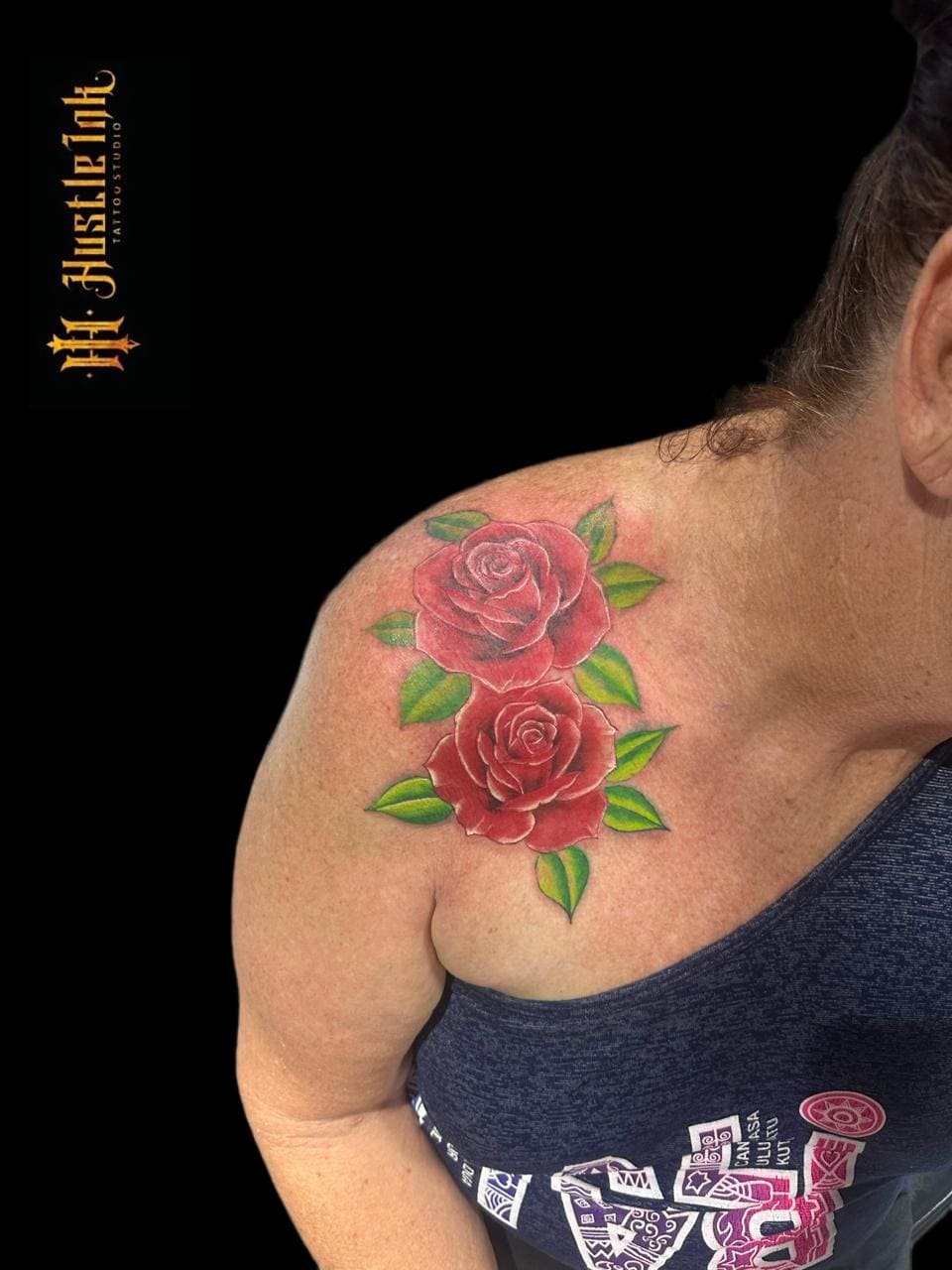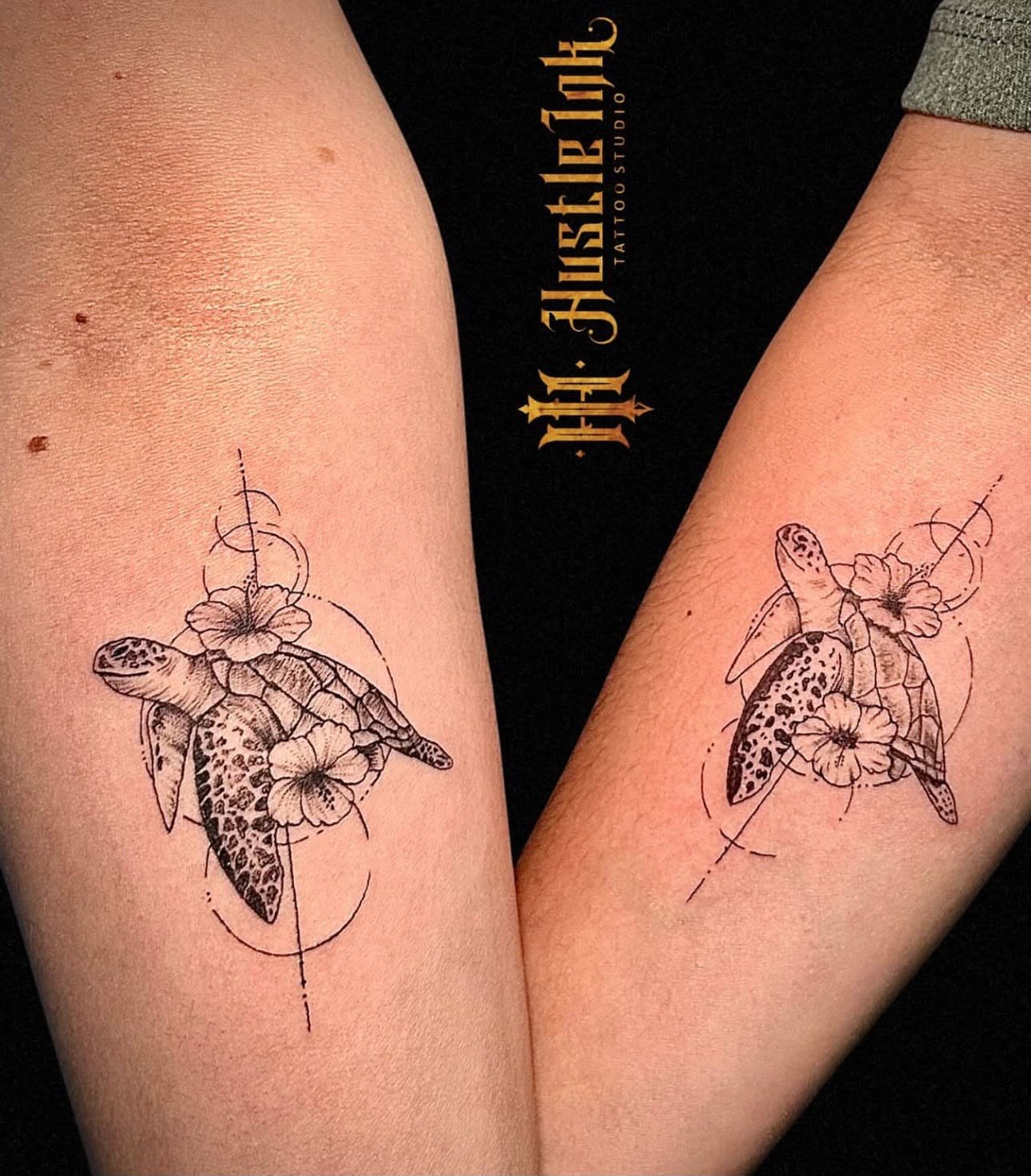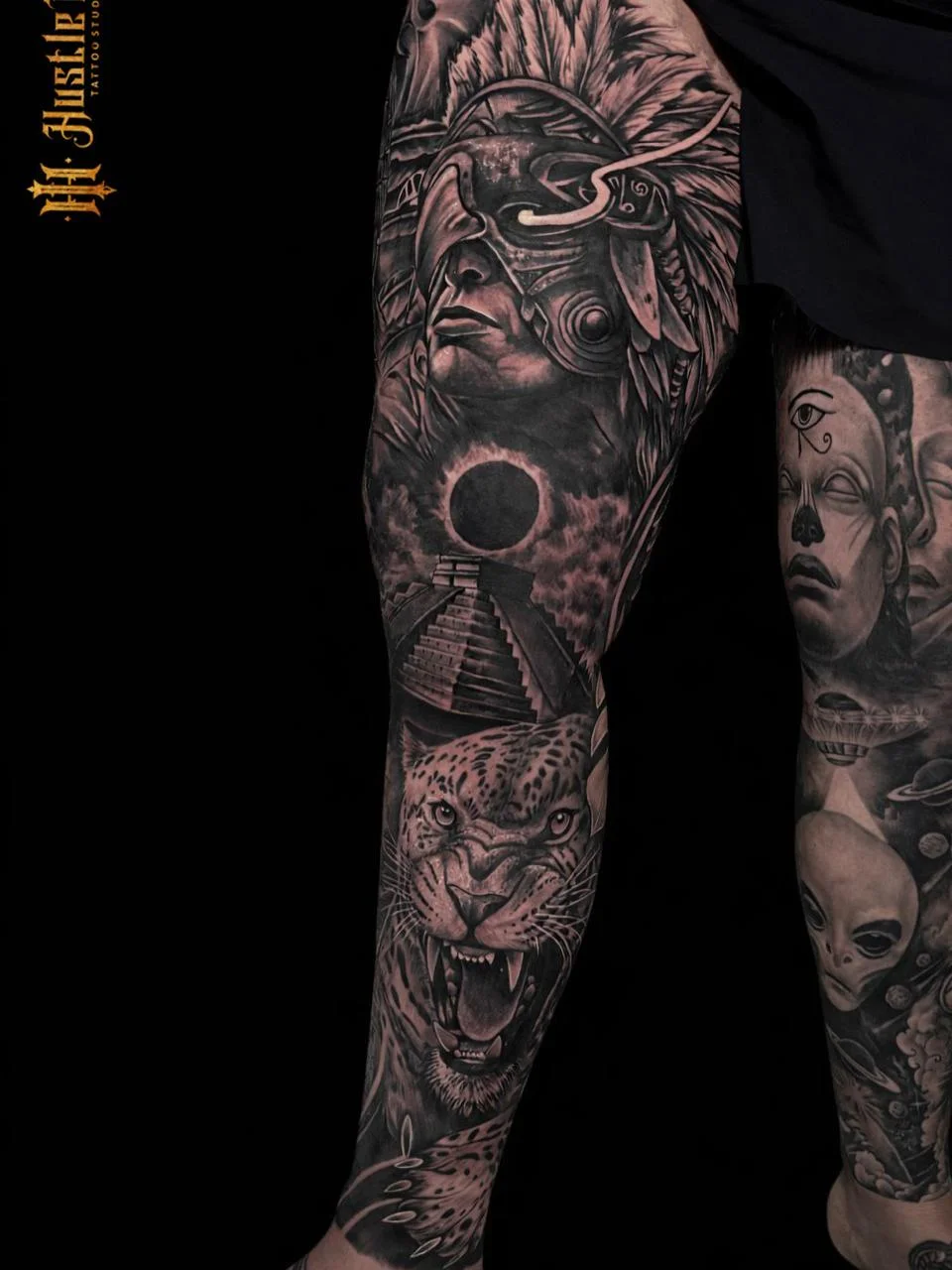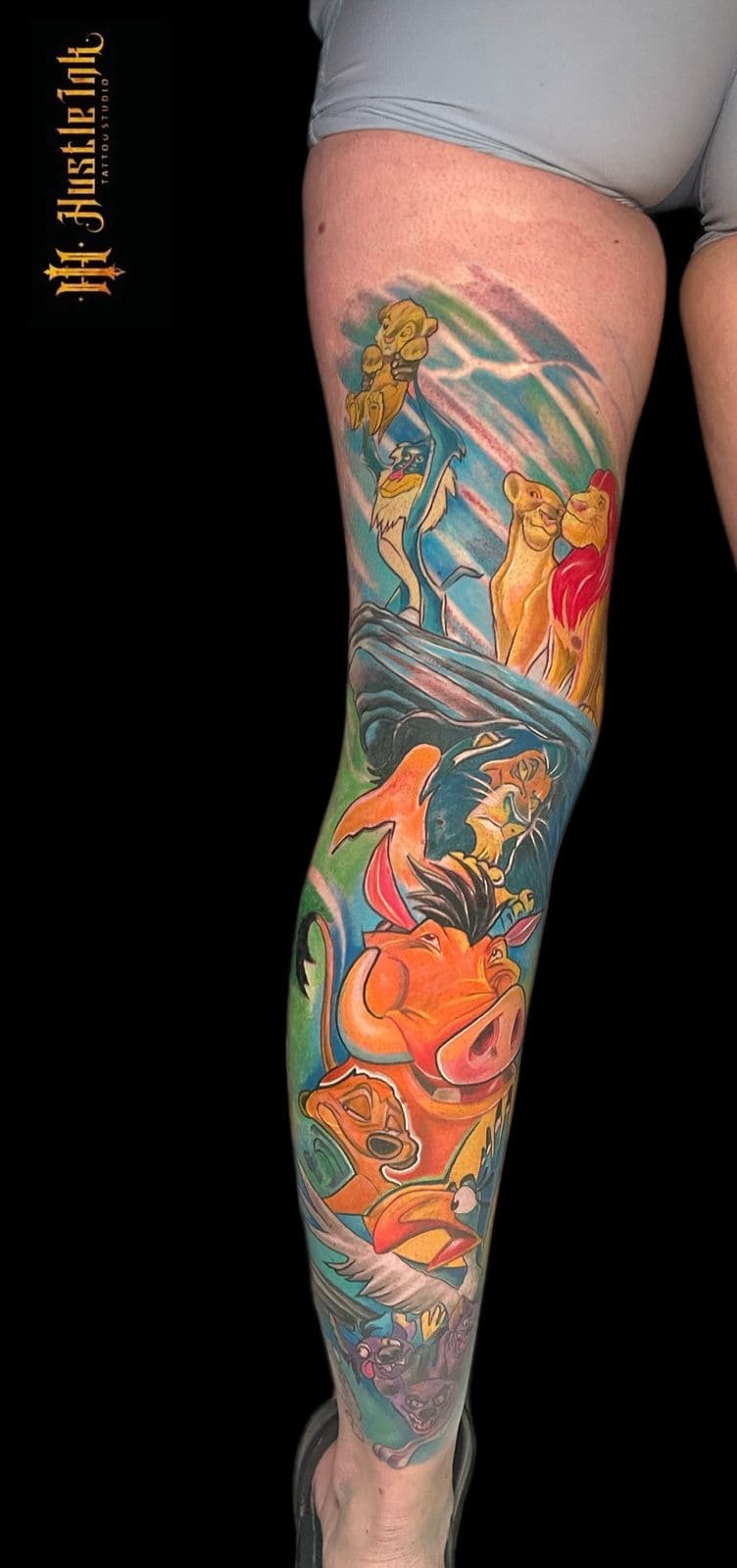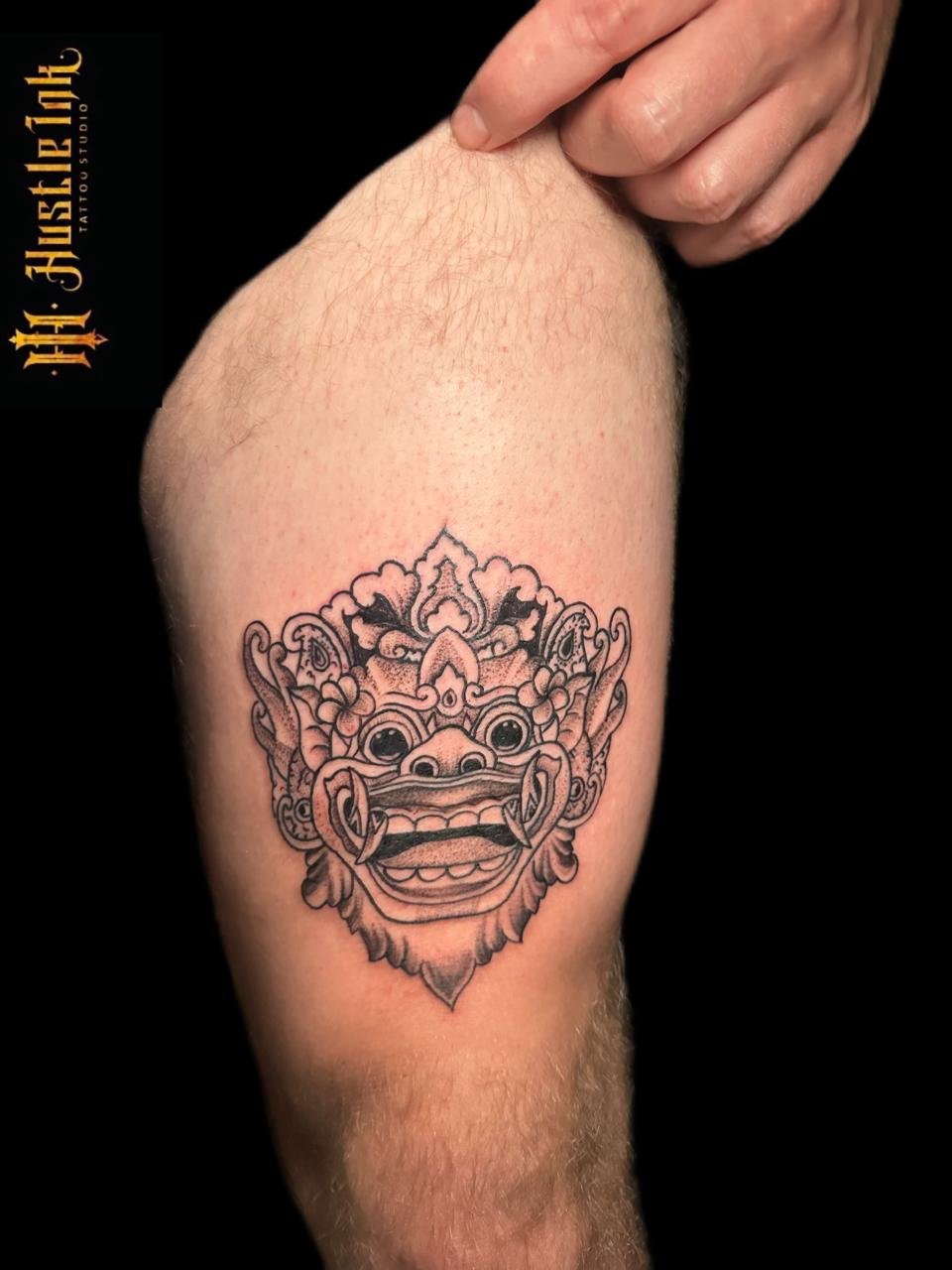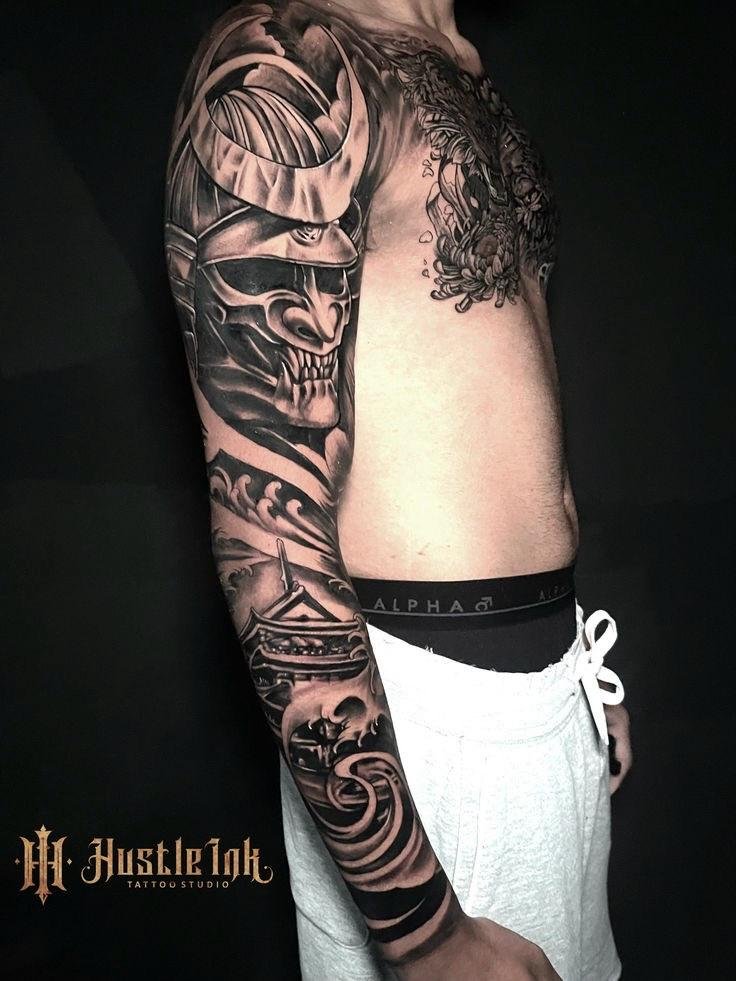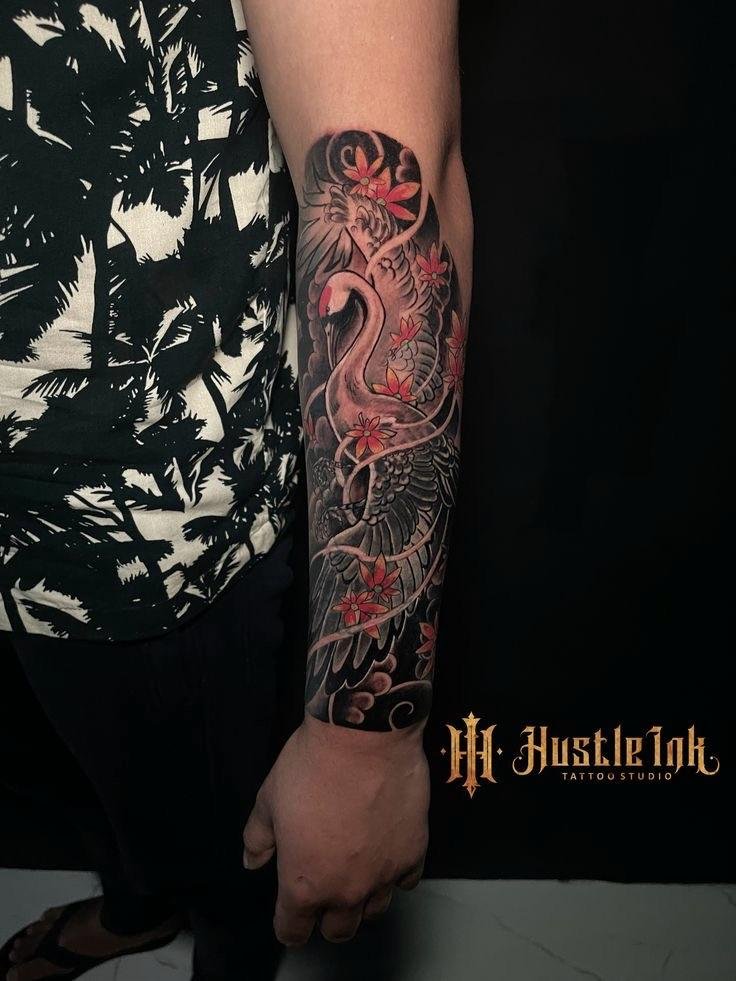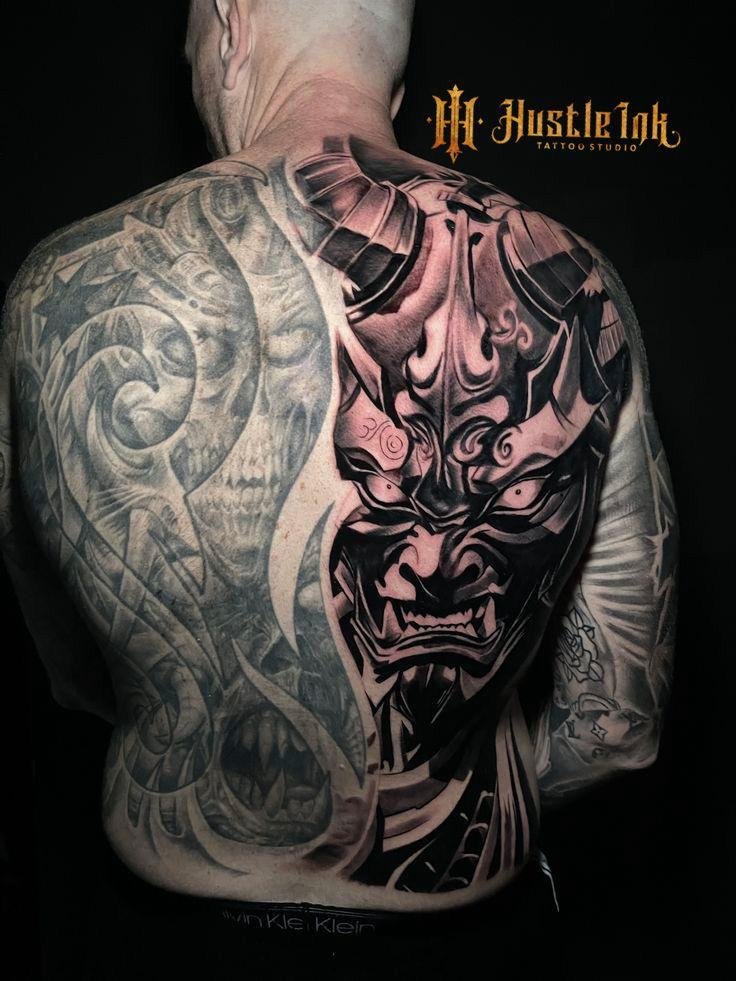
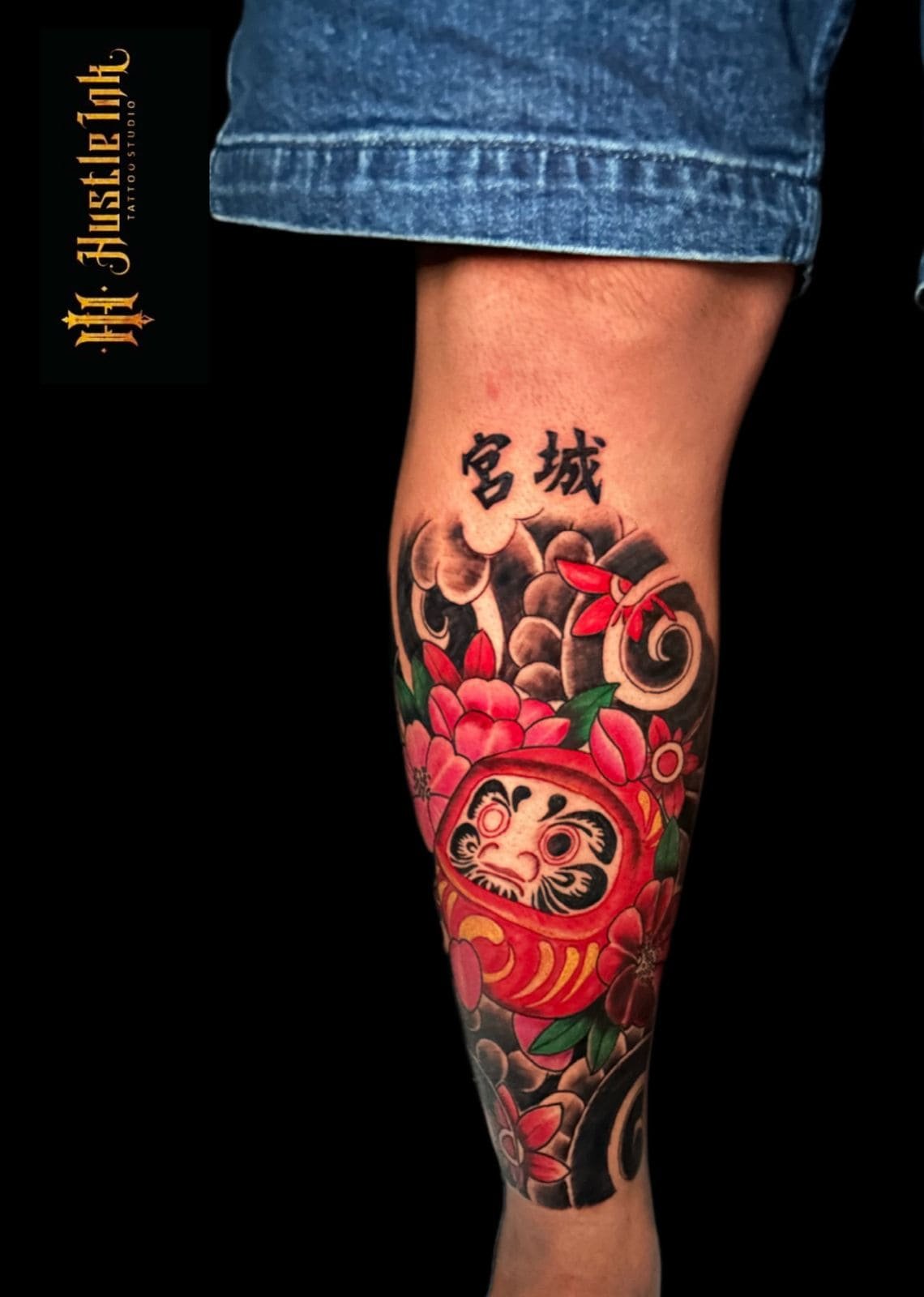
Color tattoos are stunning but they need a little more attention than black ink when it comes to healing. The vibrant pigments in color work, especially whites, yellows, and light pinks, are more sensitive to sunlight, heat, and moisture than darker inks. In Bali, where the humidity stays above 70% year-round and the UV index regularly hits 10–12, proper aftercare isn’t just a suggestion it’s the difference between ink that fades in a year and color that stays vivid for a decade.
This guide covers everything you need to know about caring for a color tattoo in Bali’s tropical climate, from the first 48 hours to your flight home.
Why Color Tattoos Need Special Care in Bali
Before diving into the routine, it helps to understand why color ink behaves differently from black and grey.
Color pigments particularly bright reds, yellows, greens, and whites sit closer to the skin’s surface and are more reactive to UV radiation. Bali’s sun is intense at any time of year. Even ten minutes of direct sun exposure on a fresh color tattoo can cause the pigment to break down unevenly, leading to patchy healing and faded vibrancy within months.
Add to that Bali’s heat and humidity. While sweat isn’t your enemy, excessive moisture trapped against a fresh tattoo can slow the formation of a protective scab layer and create an environment where bacteria thrive. The good news: with the right routine, your color work can heal perfectly in Bali plenty of our clients return for their flights home with ink that’s healing beautifully.
The First 48 Hours: What Happens After the Needle
Your artist will wrap your tattoo before you leave the studio. What happens in the next 48 hours sets the tone for the entire healing process.
Leave the wrap on. If your artist applied a standard plastic wrap, keep it on for 2–4 hours. If they used a second-skin bandage (like Saniderm or Tegaderm), you can leave it on for 24–72 hours. Second-skin is our preference for color work in Bali’s climate because it protects the tattoo from humidity, accidental contact, and UV without the need to wash immediately.
Your first wash. Once the wrap comes off, wash the tattoo gently with unscented antibacterial soap and lukewarm (not hot) water. Use clean fingertips no cloth, no sponge. Pat dry with a clean paper towel or let it air dry for a few minutes.
Apply a thin layer of unscented lotion. Less is more. A very thin layer just enough to make the skin look slightly moist is all you need. In Bali’s humidity, a heavy coat of moisturiser on a fresh tattoo can trap heat and slow healing. Good options: Lubriderm, CeraVe, or any fragrance-free water-based lotion. Avoid petroleum-based products like Vaseline for the first week.
Repeat 2–3 times daily. Wash, dry, moisturise. That’s the routine for the first two weeks.
Weeks 1–2: The Critical Window for Color Preservation
This is the period that matters most for your color tattoo. The ink is settling into the dermis and the surface skin is forming a thin protective layer.
Sun Your Biggest Enemy
Keep your fresh color tattoo completely out of direct sunlight for a minimum of two weeks. This means:
- No beach days or if you must go, keep the tattoo covered with loose fabric
- No pool or ocean both expose you to water, sun, and potential bacteria simultaneously
- Be careful even in the shade reflected UV from sand and water still reaches covered areas
After the tattoo has fully healed (typically 3–4 weeks), apply SPF 50+ sunscreen before any sun exposure. Reapply every two hours. This is what separates color tattoos that look great at ten years from ones that look washed out at two.
Avoid These Common Bali Temptations
Bali is full of things that are genuinely bad for a healing color tattoo:
Swimming Pool chlorine and ocean saltwater both affect healing ink. Even freshwater (hotel pool, waterfall, rice paddy walk) carries bacteria. Stay dry for at least two weeks.
Bali belly and dehydration If your stomach isn’t happy, your immune system is working overtime. Drink water consistently. Well-hydrated skin heals more evenly, which directly affects how colour settles.
Motorbike wind exposure This sounds odd, but direct wind and dust on a fresh tattoo can dry it out faster than Bali’s humidity suggests. Keep it covered on longer rides.
Aloe vera gels with fragrance or alcohol Aloe is fine in principle but many products sold in Bali’s markets contain fragrance, alcohol, or menthol, all of which irritate fresh ink. Read the label before applying anything your artist didn’t recommend.
Signs the Healing Is Going Well
- Mild redness and swelling in the first 2–3 days: normal
- Peeling that reveals a slightly duller layer underneath: normal (the color will sharpen as the new skin settles usually by week 4)
- Slight itching in week 2: normal do not scratch, tap gently instead
- Ink “milking” through the protective layer in the first few hours: normal
Signs to Take Seriously
- Swelling that’s increasing after day 3
- Red streaks spreading from the tattoo
- Warm, puffy skin with yellow or green discharge
- Fever
If you see any of these, visit a clinic. Bali has good medical facilities don’t wait to see how it develops.
Color-Specific Aftercare Tips
Certain colors need a bit of extra attention:
Whites and light pastels are the most sun-sensitive. They’re also the most likely to appear slightly yellow or transparent before full healing. Don’t panic in week 2 the color reads differently through new skin. Give it four full weeks before assessing.
Reds and oranges can occasionally trigger a mild allergic reaction in people with sensitive skin. This typically presents as persistent raised texture on the colored areas (not the outline). If this happens, it usually settles on its own, but mention it to your artist and avoid sun on that area until it resolves.
Bright colors over dark skin tones may need a touch-up to reach full vibrancy this is normal and your artist should have discussed it during your consultation. Wait at least 8 weeks before any touch-up.
Gradients and watercolor-style work the areas where colors blend require the same care but are more visible when healed unevenly. Keep moisturiser consistent across the entire piece, not just the outlined edges.
What to Pack in Your Bali Tattoo Aftercare Kit
If you’re planning your color tattoo in advance, bring these from home:
- Fragrance-free antibacterial liquid soap (Dial Gold or equivalent)
- Fragrance-free lotion (CeraVe Moisturizing Cream or Lubriderm Daily Moisture)
- SPF 50+ sunscreen stick (convenient for targeted application)
- Second-skin bandages in case your artist uses standard wrap and you want to switch your artist can apply them at the studio
- A clean white cotton t-shirt to sleep in (colored dye from dark fabric can transfer to a fresh tattoo)
Most of these are available in Bali at Circle K, Pepito, or Cactus supermarkets in the Legian/Seminyak area, but fragrance-free options can be harder to find. Worth bringing from home if you can.
Your Healing Timeline
| Timeframe | What to Expect |
| Hours 0–4 | Wrap on, mild oozing and redness |
| Day 1–3 | Swelling, brightness looks intense |
| Day 4–7 | Surface skin begins to peel, colors look dull |
| Week 2 | Peeling finishes, new skin feels slightly tight |
| Week 3–4 | Colors sharpen and settle into true vibrancy |
| Week 6–8 | Full surface healing safe for sun with SPF |
| Month 3–6 | Final settled color visible assess if touch-up needed |
Color tattoos typically take a full 4–6 weeks to look their best, slightly longer than black and grey work. The deeper layers of pigment continue settling for up to three months.
When to Book Your Tattoo Before Flying Home
The most common question we get from international clients: how many days before my flight should I get tattooed?
For a color tattoo, we recommend a minimum of 5 days before flying. This gives the surface time to close properly and reduces the risk of infection from air travel (recirculated cabin air is surprisingly drying). If you can manage 7–10 days, even better you’ll be past the main peeling phase.
If you’re getting a larger color piece (half sleeve, full back panel), allow 7–14 days. Larger areas mean more trauma to the skin and a longer initial inflammation window.
Touch-Up Policy at Hustle Ink
Color tattoos, by their nature, sometimes need a touch-up once fully healed. At Hustle Ink tattoo studio in Bali, we include one complimentary touch-up for color work within 6 months for clients who follow our aftercare instructions properly.
Touch-ups aren’t a sign the original work was subpar they’re a built-in part of the color tattooing process. Factors outside anyone’s control skin type, how pigment absorbs in different body areas, sun exposure during healing all affect how color settles. We document your original work and match pigments precisely at your touch-up appointment.
If you’re flying back to your home country, touch-ups can be scheduled via WhatsApp we’ll assess from clear photographs whether a visit is needed before you book flights back to Bali.
Ready to Get Your Color Tattoo in Bali?
Now that you know how to care for it, the next step is planning the design. Our artists specialise in color tattoo work in Bali, from full-color realism to vibrant neo-traditional and soft watercolor styles.
Check out our complete guide to getting a tattoo in Bali if you’re still in the planning phase it covers styles, pricing, timing, and what to bring to your appointment.
To book a consultation or ask about our color work, reach out on WhatsApp and we’ll match you with the right artist for your design.
Frequently Asked Questions
No wait at least two weeks before swimming in any water, including pools and the ocean. Chlorine and saltwater affect ink settling and increase infection risk.
Surface healing typically takes 3–4 weeks. Full pigment settling takes up to 3 months. Bali’s humidity doesn’t slow the process significantly as long as you keep the area clean and don’t overload it with moisturiser.
This is completely normal. The new layer of skin forming over the ink temporarily mutes the colors. The vibrancy returns once that layer fully settles, usually by week 3–4.
Not until the surface is fully healed usually after 3–4 weeks. Before that, direct sun is what you need to avoid, not sunscreen substitution. Once healed, SPF 50+ is strongly recommended every time you’re outdoors.
Lighter colors, whites, yellows, and pastels fade fastest with sun exposure. Deep blues, blacks, and dark reds are generally more sun-resistant, though all colors benefit from consistent SPF after healing.
Not always, but it’s common especially for large pieces or light-colored areas. We include a complimentary touch-up within 6 months for clients who follow the aftercare routine properly.